
Propagation
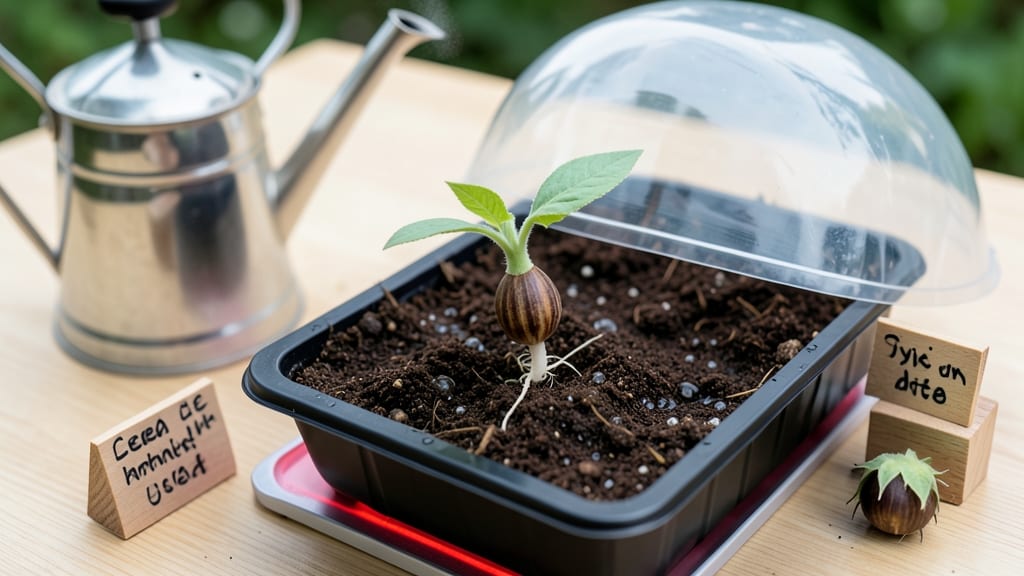
Sunflower seeds typically sprout in 7 to 14 days when planted under ideal conditions, but the exact germination time depends on soil temperature and moisture.
Picture this: you’ve just tucked those plump, striped seeds into the soil, watered them carefully, and now you’re waiting—but how long should you wait before checking for sprouts?
The answer isn’t just about patience; it’s about understanding the delicate balance of warmth, moisture, and timing that turns a seed into a 🌻.
Too cold, and your seeds might take three weeks or longer to break through the soil—or worse, never sprout at all. Too hot, and they can dry out before they even start.
In USDA Zone 6a, where spring temperatures fluctuate wildly, getting this right is the key to avoiding empty rows and wasted effort.
In this guide, I’ll break down the exact germination timeline for sunflowers, share the pro tips that cut waiting time by days, and help you troubleshoot when things go wrong—so you can go from seed to sprout with confidence.


Sunflower seed germination time by soil temperature: exact days to sprouts
Sunflower seeds are one of the fastest-growing annuals you can plant, but their germination speed is heavily influenced by soil temperature. Too cold, and your seeds may never sprout; too hot, and they can dry out before breaking dormancy.
The ideal soil temperature range for sunflower germination is between 75°F and 85°F, where you’ll see sprouts in just 3 to 7 days. Outside this range, germination can stretch to 10 to 14 days—or fail entirely.
Understanding these temperature thresholds is critical, especially if you’re planting in early spring or late fall. For example, Russian Giant sunflowers, known for their towering heights, are particularly sensitive to cold soil.
Meanwhile, Teddy Bear varieties, with their fluffy petals, often germinate slightly faster in marginal conditions. Let’s break down the exact germination timelines you can expect based on soil warmth.
Comparison Table: Sunflower Germination Time by Soil Temperature
| Soil Temperature (°F) | Germination Time (Days) | Best Varieties for This Range | Germination Success Rate |
|---|---|---|---|
| 50°F - 59°F | 14+ days (often fails) | Russian Giant, Mammoth | Low (30%) |
| 60°F - 69°F | 10 - 14 days | Teddy Bear, Autumn Beauty | Moderate (60%) |
| 70°F - 79°F | 7 - 10 days | Moulin Rouge, ProCut | High (85%) |
| 80°F - 85°F | 3 - 7 days | All varieties | Very High (95%) |
| 86°F - 90°F | 3 - 5 days (risk of drying) | Dwarf Sunflower | Moderate (70%) |
If your soil temperature falls below 60°F, germination becomes unreliable, and seeds may rot instead of sprouting. This is why many gardeners use black plastic mulch or heat mats in early spring to warm the soil faster.
On the other hand, temperatures above 85°F can cause seeds to germinate too quickly, leading to weak seedlings that struggle in extreme heat.
For the fastest results, aim for 75°F to 80°F soil. This is the sweet spot where most sunflower varieties—including Mammoth and Autumn Beauty—will sprout in just 5 to 7 days. Even Russian Giants, which are slower to mature, will break through the soil reliably in this range.
One common misconception is that all sunflower seeds germinate at the same rate. In reality, dwarf varieties like Teddy Bear often sprout slightly faster than their towering counterparts.
This is because their genetic makeup prioritizes quick establishment over height. If you’re in a hurry, these smaller varieties are your best bet for fastest germination.
To test your soil temperature before planting, use a soil thermometer (available for under $10). Insert it 2 inches deep—the same depth you’ll plant your seeds—and wait 30 seconds for an accurate reading.
If the temperature is below 65°F, consider waiting a week or using a greenhouse or cold frame to accelerate warming.
Once your seeds sprout, they’ll emerge with cotyledons (their first leaves) within 3 to 5 days of germination. These leaves are thick and rounded, providing energy until the true leaves appear.
Keep the soil consistently moist but not soggy during this phase, as overwatering can cause damping-off disease, a fungal issue that kills seedlings.
If you’re planting in late summer for a fall harvest, watch for heat stress in seedlings. Soil temperatures above 90°F can halt germination entirely, so always plant in the early morning or late afternoon to avoid exposing seeds to extreme heat.
A light shade cloth over newly planted seeds can also help regulate temperature.
Remember, patience is key—even under ideal conditions, some seeds may take up to 14 days to sprout. If you’ve planted seeds and see no progress after 2 weeks, it’s time to troubleshoot.
Check for seed viability by soaking a few seeds in water overnight; if they swell, they’re still good. If not, it’s time to order new seeds or adjust your planting strategy.
How to speed up sunflower germination: pro tips for faster sprouts
Sunflower seeds are eager to sprout, but cold soil or poor moisture control can stall them for weeks. With the right techniques, you can cut germination time by 2-5 days—or even more in challenging conditions.
The key lies in mimicking their natural tropical origins with warmth, hydration, and patience. Let’s break down the proven methods that work for me every season.
First, never underestimate the power of pre-soaking seeds. Sunflower seeds have hard outer shells that resist moisture. Soaking them for 4-12 hours in lukewarm water softens the shell, allowing roots to emerge faster.
I swear by this trick—it’s the difference between 10-day sprouts and 14-day wait times. Just use a clean jar, cover the seeds with water, and let them soak overnight.
🌱 Pro Tips to Speed Up Germination
- 1. Pre-soak seeds for 4-12 hours in lukewarm water to soften hard shells.
- 2. Plant at 1-2 inches deep—shallower than most guides suggest—for faster root penetration.
- 3. Use black plastic mulch to raise soil temps by 10-15°F in cool climates.
- 4. Keep soil consistently moist (not soggy) with a spray bottle for precision.
- 5. Place trays on a heat mat (70-85°F) if starting indoors early.
- 6. Avoid overcrowding—space seeds 6-12 inches apart for airflow and growth.
Next, planting depth matters more than you’d think. Most guides recommend 1 inch, but I’ve found 1.5-2 inches works better for sunflowers. Deeper planting protects tender sprouts from drying out and encourages stronger root systems. Just be sure your soil is loose and well-draining—compacted soil slows everything down.
Temperature control is where most gardeners trip up. Sunflower seeds germinate best in 70-85°F soil. If your spring soil is still chilly (below 60°F), use a heat mat or cover the bed with black plastic mulch to trap warmth.
I’ve seen germination times drop from 14 days to just 5 days with this trick—especially for varieties like Russian Giant.
Moisture is another critical factor. Sunflower seeds need consistent moisture, but overwatering suffocates them. I use a spray bottle to mist the soil lightly every 2-3 days until sprouts appear.
Once they emerge, switch to gentle watering at the base. Avoid wetting the leaves—this invites fungal diseases like damping-off, which can kill seedlings overnight.
Avoid these common mistakes that sabotage germination: planting in cold, wet soil; using old or stored seeds (viability drops after 2 years); or letting the soil dry out completely. Always test your seeds by floating them—if they sink, they’re viable.
And if your sprouts look leggy or weak, they’re stretching for light. Thin them to 6 inches apart immediately to prevent competition.