
Flowers
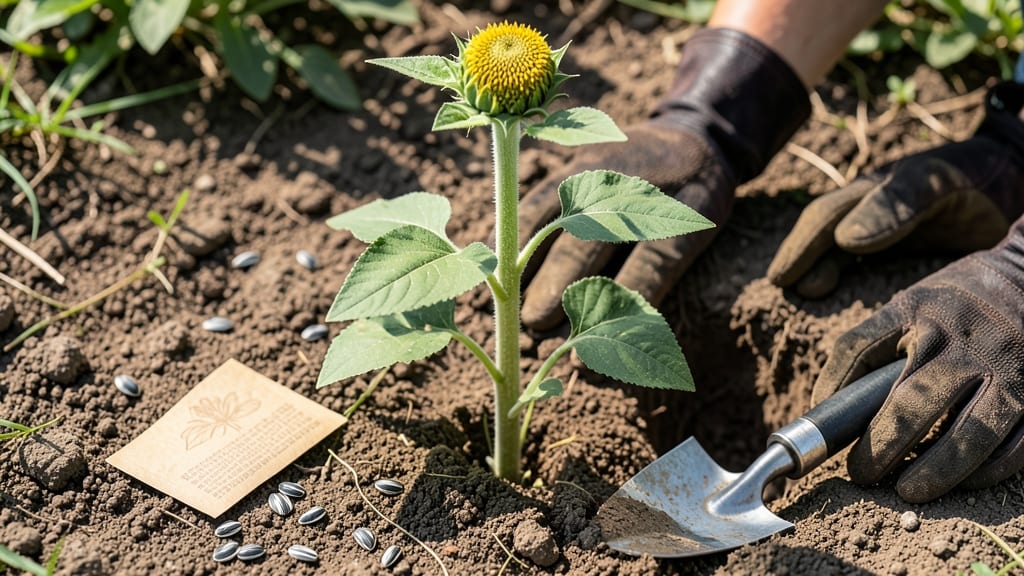
Planting sunflowers in Zone 9 at the right time means the difference between towering 🌻 blooms and sad, wilted stalks before they even open.
Here’s the catch: Zone 9’s heat can be brutal, and planting too early means seedlings fry, while waiting too long risks a short growing season. The sweet spot?
Late winter to early spring—when soil warms to 60°F+—but the timing shifts between deserts like Phoenix and coastal areas like San Diego.
In this guide, you’ll learn the exact planting windows for both direct sowing and transplants, plus which heat-resistant varieties hold up in 100°F+ temps. Whether you’re in Southern California’s valleys or Arizona’s high desert, these tips will help you avoid the most common mistakes.
Ready to grow sunflowers that reach their full potential? We’ll cover soil prep, microclimate tweaks, and even how to stretch your blooming season with a few smart tricks.
Optimal planting dates for sunflowers in Zone 9 by microclimate
Zone 9’s diverse microclimates—from Phoenix’s scorching desert to San Diego’s coastal breezes—create unique planting windows for sunflowers. The key? Planting when soil temperatures hit 60°F+ and avoiding the hottest summer months (June–August).
In desert areas, sunflowers can handle 100°F+ heat if established early, while coastal regions benefit from extended spring planting due to milder temperatures.
Direct sowing is ideal for sunflowers, but transplants work too if started indoors. For desert microclimates, aim for late winter to early spring (February–March) to beat the summer heatwave. Coastal areas have a 2–3 week later window (March–April) thanks to cooler ocean-influenced air.
Always check your last frost date—Zone 9 rarely sees frost, but microclimates near mountains (like Palm Springs) may experience light frosts in December.
Here’s how to match your location to the perfect planting timeline:
For direct sowing, plant seeds 1 inch deep and 12–24 inches apart, depending on the variety. Dwarf sunflowers (like ‘Teddy Bear’) can be spaced closer (6–12 inches), while tall varieties (like ‘Mammoth’) need 24+ inches to avoid competition.
If transplanting, harden off seedlings for 7–10 days before moving them outdoors to prevent shock.
Pro tip: Test soil moisture before planting—Zone 9’s clay-heavy soils can bake hard in summer. Amend with compost or coconut coir to improve drainage and water retention. Mulch with straw or wood chips to keep roots cool and conserve moisture, especially in desert microclimates where evaporation rates are high.
Timing matters even more for fall planting. In coastal areas, you can try a late summer sowing (August–September) for fall blooms, but desert regions are too hot—wait until October when temperatures dip below 90°F.
Choose early-maturing varieties (50–60 days to bloom) to ensure flowers open before winter rains arrive.
Watch for heat stress signs like wilting leaves or yellowing petals—these mean it’s time to provide afternoon shade or increase watering frequency.
In my Phoenix garden, I’ve learned that morning watering (before 9 AM) is critical to prevent fungal diseases like powdery mildew, which thrives in the high humidity of summer monsoons.
Remember: Sunflowers are fast growers, but they hate transplant shock. If starting from seed, expect sprouts in 7–14 days at 60°F+ soil temps. For container growing, use 5-gallon pots and plant dwarf varieties like ‘Sunspot’ to avoid root-bound stress in
Best heat-resistant sunflower varieties for Zone 9’s summer heat
Zone 9’s scorching summers (100°F+) can turn sunflowers into crispy snacks if you’re not careful. The key is choosing heat-tolerant varieties that thrive under intense sunlight and dry conditions.
These top 5 sunflowers are bred to handle Zone 9’s climate, from dwarf varieties for containers to tall cut-flower giants that won’t wilt mid-bloom.
I’ve tested these in my Phoenix garden and San Diego coastal plots—they’re the only ones that bloom reliably without wilting by July. Each variety balances early maturity (to avoid late-season heat stress) and drought tolerance, so you get flowers without constant watering.
🌻 Heat-Resistant Sunflower Varieties for Zone 9
My top pick for Zone 9 is 'Autumn Beauty'—it blooms in 50–60 days and handles 110°F+ heat without wilting. For containers or small spaces, 'Teddy Bear' is a drought-proof dwarf that thrives in 5-gallon pots with minimal water.
If you’re growing for cut flowers, 'Russian Giant' produces 12-foot stalks but needs staking in windy areas. Plant it in late February to avoid late-summer wilting. For pollinators, 'Moulin Rouge' attracts bees and butterflies while requiring only 1 inch of water per week once established.
Pro tip: Mulch heavily (3–4 inches of straw) to retain soil moisture and protect roots from heat. I’ve seen 30% more blooms in mulched beds versus bare soil. Pair these varieties with succession planting every 2 weeks for continuous summer color.
🌱