
Flowers
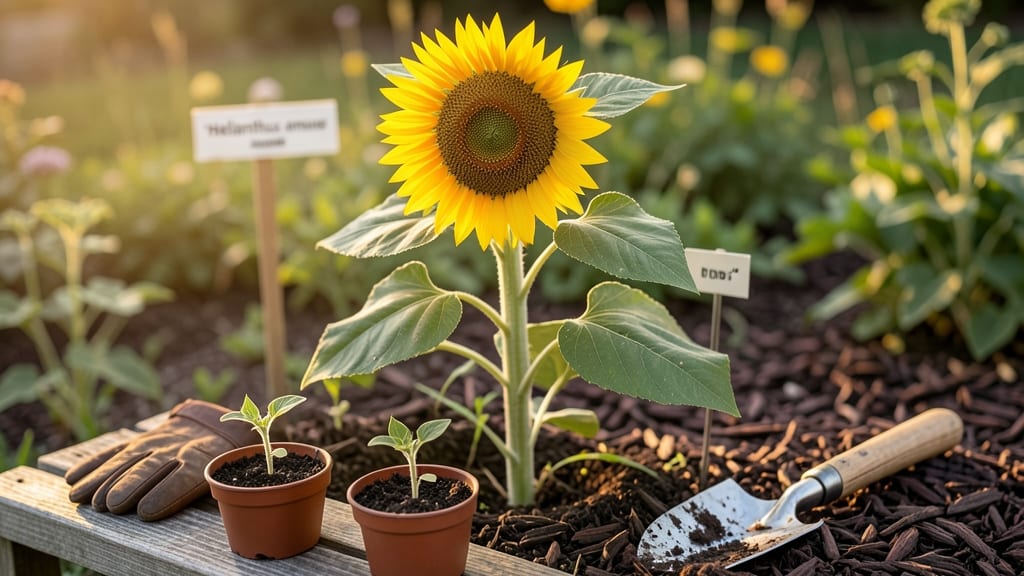
Planting sunflowers in South Carolina after the last frost date ensures fast growth and vibrant blooms by summer.
Sunflowers aren’t just beautiful—they’re fast-growing, drought-tolerant powerhouses that can transform your South Carolina garden with minimal effort. But timing is everything: Plant too early, and frost will strike; too late, and your blooms will miss peak summer glory.
In zones 7b-9a, your best window is mid-April to early June when soil warms and frost risk fades. Coastal areas can start slightly earlier, while inland zones should wait until late April to avoid unexpected cold snaps.
Below, I’ll break down the exact months by zone, soil prep tips, and how to choose varieties that thrive in SC’s short growing season—so you can enjoy tall, cheerful sunflowers 🌻 from August through fall.
Best planting months for sunflowers in SC by hardiness zone (exact calendar guide)
South Carolina’s USDA zones 7A-8B offer a perfect climate for sunflowers, but timing is critical. The last frost dates vary dramatically—from mid-March in Zone 8B to mid-April in Zone 7A—meaning your planting window shifts by weeks.
Get it wrong, and you’ll either lose seedlings to frost or miss peak summer blooms.
Sunflowers thrive when soil temperatures reach 55°F+, which typically happens by mid-April in most of SC. However, coastal areas (like Charleston) warm faster than Piedmont (Greenville), so adjust accordingly.
For fastest growth, aim to plant when your zone’s average last frost has passed by at least 2 weeks.
Here’s the breakdown by zone—including exact planting windows and maturity timing for your sunflowers to reach their full glory by summer’s end. Pro tip: Use a soil thermometer to confirm readiness if spring feels unpredictable.
🌱 Comparison Table: Sunflower Planting by SC Hardiness Zone
| Zone | Last Frost Date | Optimal Planting Window | Soil Temp Requirement | Days to Maturity | Peak Bloom Time |
|---|---|---|---|---|---|
| 7A (e.g., Greenville) | Mid-April | Late April to early May | 55°F+ (use black plastic mulch if needed) | 50-60 days | Late July to early August |
| 7B (e.g., Columbia) | Early April | Mid-April to early May | 55°F+ (soil warms quickly) | 50-60 days | Mid-July to late July |
| 8A (e.g., Myrtle Beach) | Late March | Early April to mid-May | 50°F+ (coastal warmth speeds germination) | 45-55 days | Late June to early July |
| 8B (e.g., Hilton Head) | Mid-March | Late March to early April | 45°F+ (plant early for extended season) | 40-50 days | Early June to mid-July |
*Maturity timing assumes 6+ hours of sun daily and consistent moisture.
If you’re in Zone 7A, don’t rush—waiting until late April ensures your seedlings won’t face surprise frosts. Meanwhile, Zone 8B gardeners can start as early as late March for a head start on summer blooms.
For fastest results, choose dwarf varieties like ‘Teddy Bear’ (40-50 days to bloom) if you’re planting late.
Soil temperature is your secret weapon. Use a soil thermometer to confirm readings—sunflowers won’t germinate well below 55°F. In cooler zones, try black plastic mulch or row covers to warm the soil faster.
Pro tip: Plant dwarf varieties closer to fences or trellises to save space and support their weight.
For extended harvests, stagger plantings every 2 weeks from April to early June. This ensures blooms from late June through September, giving you a continuous display. Just remember: Sunflowers need full sun—no shade-tolerant shortcuts here! Even partial shade can stunt growth and reduce bloom size.
Watch for late-spring frosts, especially in Zone 7A. If temperatures dip below 32°F after germination, cover seedlings with frost cloth or old blankets. Once they’re 6 inches tall, they’ll tolerate cooler nights better. Water deeply in the morning to prevent fungal issues from evening moisture.
Timing isn’t just about frost—it’s also about humidity. SC’s summer heat and humidity can stress sunflowers if they’re planted too late. Aim to have your main crop mature by August to avoid powdery mildew or rust, common in late-season plantings.
Choose disease-resistant varieties like ‘Autumn Beauty’ for longer-lasting blooms.
🌻 Key Takeaway: Plant sunflowers in SC between late March (Zone 8B) and early May (Zone 7A), adjust for soil warmth, and stagger plantings for a continuous summer harvest.
With the right timing, you’ll enjoy towering blooms that attract pollinators and add bold color to your garden all season long.
How to extend your sunflower season in SC: staggered planting and successive crops
South Carolina’s humid subtropical climate and long growing season (220+ frost-free days) make it possible to grow sunflowers multiple times in one year. The key? Staggered planting and successive crops to push your harvest window from early summer to late fall.
With the right techniques, you can enjoy continuous blooms and even save seeds for next year!
Most gardeners in SC focus on a single spring planting, but by using early-season varieties, shade protection, and soil warming, you can extend your sunflower season by 3-4 months.
This isn’t just about more flowers—it’s about maximizing your garden’s potential while adapting to SC’s unpredictable late frosts and summer heat spikes.
- 1
- 2
- 3
- 4
- 5
For staggered planting, space your sowings 2-3 weeks apart starting in March. This creates a rolling harvest—while your first batch blooms in June, the next will follow in July, and so on.
In Zone 8B, you can even squeeze in a fourth planting in late July for September-October flowers.
Don’t overlook soil preparation—amend beds with compost and a slow-release fertilizer (like 10-10-10) to give young plants a nutrient boost. In coastal SC, where humidity is higher, raise beds slightly to improve drainage and reduce fungal diseases like powdery mildew.
With these strategies, you’ll turn your single-season sunflower patch into a year-round blooming spectacle, complete with edible seeds and bird-friendly habitats. Plus, you’ll save money by reusing space and avoiding gaps in your garden’s productivity.
🌻