
Flowers
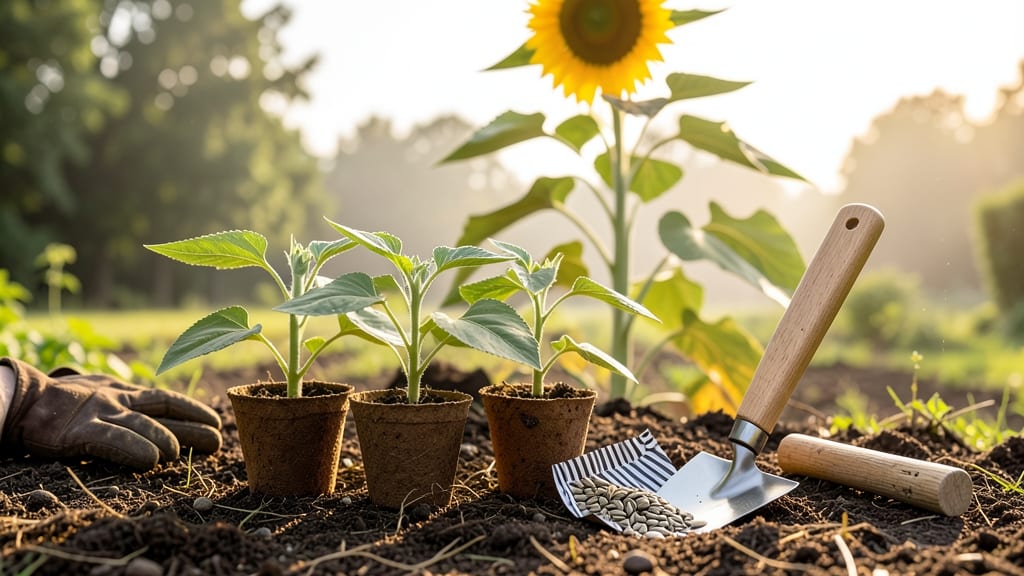
Planting sunflowers in Portland, Oregon, starts after your last frost date — typically mid-April to early May — to give those towering 🌻 stems time to soar before summer’s heat arrives.
Miss that window, and you’ll either watch frost nip your seedlings or struggle with leggy, weak stalks that never bloom. But get it right, and you’re looking at fast, cheerful blooms by July — perfect for cutting or attracting pollinators.
Portland’s USDA Zone 8a climate means you’ve got a narrow but reliable window to work with, especially if you’re planting seeds directly (which is the best approach for sunflowers). Urban heat islands can push that window a few days earlier, but frost is still the real enemy.
Below, I’ll break down the exact dates, soil prep tips, and how to stretch your season for continuous blooms all summer long.
Portland’s sunflower planting timeline: frost dates and ideal months
Portland’s USDA Zone 8a/8b climate gives you a 165-day frost-free window, perfect for sunflowers that need 60–90 days to bloom. But timing matters—plant too early, and frost zaps tender seedlings. Too late, and you miss summer blooms. Let’s pinpoint the ideal planting window for your Portland garden.
Sunflowers thrive when soil temperatures hit 50°F+, which typically aligns with Portland’s average last frost date of April 15–May 1. However, microclimates—like urban heat islands or sheltered spots—can shift this by 1–2 weeks. Always check your local frost forecast before planting.
Here’s your sunflower planting timeline for Portland, broken down by method and microclimate adjustments:
| Planting Method | Ideal Planting Window | Soil Temp Requirement | Microclimate Adjustments | Bloom Time |
|---|---|---|---|---|
| Direct Sowing (Seeds) | April 20–May 15 | 50°F+ | Urban areas: Plant 1 week earlier; sheltered spots: 1 week later | July–September |
| Transplants (Started Indoors) | May 1–June 1 | 55°F+ | Avoid transplant shock; harden off seedlings first | August–October |
| Succession Planting (Late Season) | June 15–July 15 | 50°F+ | Choose fast-maturing varieties (e.g., ‘Teddy Bear’) | September–October |
For direct sowing, aim for April 20–May 15 when soil warms to 50°F+. Plant seeds 1 inch deep, 6 inches apart, and thin seedlings to 12–24 inches apart as they grow. This method yields the fastest, hardiest plants for Portland’s climate.
If you prefer transplants, start seeds indoors 4–6 weeks before your last frost (around March 15–April 1). Transplant outdoors May 1–June 1 when nighttime temps stay above 50°F. Use row covers for the first week to protect young plants from late frosts.
Portland’s microclimates can drastically alter your planting window. Urban areas with heat islands (like downtown) may tolerate earlier plantings, while cooler spots (e.g., East Portland) might need to wait until May 1.
Test your soil’s warmth by pressing your hand into the ground—if it feels comfortably warm, it’s ready.
Pro tip: Use a soil thermometer to confirm temps. Sunflowers germinate best in 60–85°F soil, so if your ground is below 50°F, wait a few more days. Patience now means bigger blooms later.
For succession planting, sow a second batch in June–July to extend your blooms into fall. Choose fast-maturing varieties like ‘Moulin Rouge’ (50 days) or ‘Autumn Beauty’ (60 days) to ensure they bloom before the first frost in October.
Remember, sunflowers are drought-tolerant once established, but they need consistent moisture during their first 4–6 weeks. Water deeply 1–2 times per week to encourage strong root growth. Mulch around the base to retain moisture and suppress weeds.
With Portland’s short but sweet growing season, timing is everything. Follow this timeline, and you’ll enjoy towering sunflowers from July through October, attracting pollinators and brightening your garden. Happy planting! 🌻
How to extend sunflower season in Portland: cold protection and succession planting
Portland’s unpredictable spring weather can cut short your sunflower dreams if you’re not prepared. Even after the official last frost date (April 15–May 1), late frosts can still sneak in, damaging tender seedlings.
The key to success? Cold protection and succession planting—two strategies that let you enjoy sunflowers from early summer through fall.
Sunflowers typically take 6–8 weeks to reach maturity from seed, meaning your first planting should happen by mid-April for summer blooms. But by replanting every 2–3 weeks until early July, you can stretch your harvest until September 15 or later.
This method ensures continuous blooms and attracts pollinators all season long.
- Use row covers or cloches for early plantings (before May 10) to shield seedlings from late frosts down to 28°F.
- Plant in raised beds to warm soil faster—ideal for cold-sensitive varieties like ‘Moulin Rouge’ or ‘Teddy Bear.’
- Stagger plantings every 2–3 weeks from April 15–July 1 for continuous blooms until September 15.
- Choose fast-maturing varieties (e.g., ‘Autumn Beauty’—50–60 days to bloom) for fall harvests.
- Harvest seeds before first frost (October 15) by cutting heads and drying indoors for 1–2 weeks.
If you’re planting early (before May), row covers are your best friend. These lightweight fabrics trap heat and protect seedlings from late frosts that can occur even after the official frost date.
For extra warmth, use cloches—glass or plastic domes that create a microclimate. Just remember to remove covers once plants are established to prevent overheating.
Raised beds are another game-changer. They warm up faster in spring and provide better drainage, which sunflowers love. Fill them with well-draining soil mixed with compost, and plant seeds 1 inch deep, spacing them 6 inches apart.
This setup gives you a head start and reduces the risk of frost damage compared to in-ground planting.
For succession planting, mark your calendar for April 15, May 1, May 15, and June 1—these are ideal dates to sow new batches. Each planting will bloom 6–8 weeks later, ensuring a steady supply of flowers.
If you’re aiming for a fall harvest, your last planting should happen by July 1 to give seeds time to mature before frost.
Don’t forget to harvest seeds before the first frost hits! Cut the flower heads when the back turns yellow and the petals droop. Hang them upside down in a dry, dark place for 1–2 weeks to dry completely.
Once dry, rub the seeds free and store them in a cool, dry spot for next year’s garden.
With these strategies, you’ll enjoy sunflowers blooming from July through October, attracting bees and butterflies while adding height and color to your Portland garden. Happy planting! 🌻