
Flowers
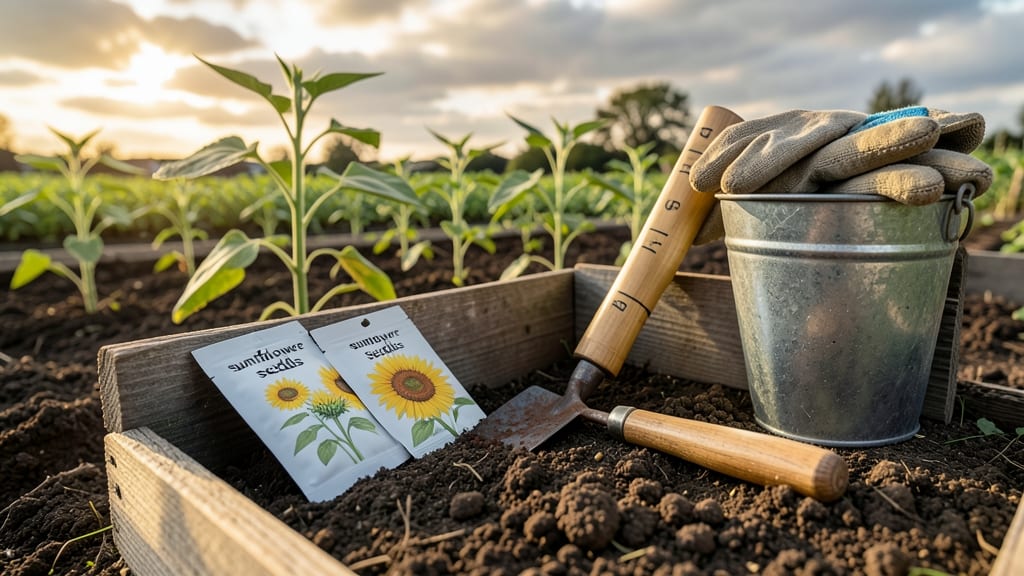
Planting sunflowers in Kentucky at the right time means towering blooms and bountiful seeds—but miss the window, and you’ll end up with leggy stems or no flowers at all.
If you’ve ever watched your 🌻 sunflowers bolt too early or struggle in Kentucky’s unpredictable spring, you know timing is everything. The state’s frost dates shift from north to south, and even a few weeks can mean the difference between a thriving garden and a sad, stunted plant.
For most of Kentucky—especially in USDA Zone 6a—the ideal window runs from mid-April to early June, right after the last frost. But whether you’re in the Bluegrass or the Cumberland Plateau, soil warmth and variety choices matter just as much as the calendar.
Below, I’ll break down the exact frost-free dates by zone, the best sunflower varieties for Kentucky’s climate, and pro tips to stretch your growing season—so you can enjoy sunflowers from July all the way through October.
Kentucky sunflower planting timeline by USDA hardiness zones
Kentucky’s diverse USDA hardiness zones (5a-7a) create unique planting windows for sunflowers. In Zone 5a, where last frosts linger until mid-May, early varieties like 'Teddy Bear' can start indoors in March for transplanting.
Meanwhile, Zone 7a gardeners enjoy a 2-week earlier start, with frost-free dates as early as April 1 in southern regions.
Timing matters because sunflowers need 60-120 days to mature. Planting too early risks frost damage to seedlings, while late planting may result in smaller blooms before winter. The key is aligning your variety choice with your zone’s frost dates to maximize growth potential.
Direct sowing is ideal for Kentucky’s climate, as sunflowers hate transplanting. However, northern zones (5a-6a) benefit from starting seeds indoors 2-3 weeks before last frost to extend the growing season. Southern zones (7a) can sow directly outdoors as soon as soil reaches 55°F.
| Zone | Avg. Last Frost | Direct Sow Window | Transplant Window | Late Variety Deadline |
|---|---|---|---|---|
| 5a | May 15 | May 1-15 | April 15-May 1 | June 15 |
| 6a | April 15 | April 15-May 15 | March 15-April 1 | June 30 |
| 7a | March 15 | March 15-May 1 | February 15-March 1 | July 15 |
For Zone 5a gardeners, focus on early-maturing varieties like 'Autumn Beauty' (56 days) to avoid fall frosts. These can be direct-sown until June 15 for late-season blooms.
In Zone 6a, where the growing season stretches longer, you can plant both early and late varieties for continuous color from summer through fall.
Southern Zone 7a offers the most flexibility, with two planting windows: early (March 15) for giant varieties like 'Russian Giant' (120 days) and late (June 1) for succession planting of shorter varieties like 'Moulin Rouge'. This strategy ensures blooms from June through October.
Remember that soil temperature matters more than air temperature. Use a soil thermometer to confirm 55°F+ before planting. Cold soil delays germination, so black plastic mulch can warm northern zones by 5-10°F in spring. This trick extends the planting window by 1-2 weeks in cooler zones.
Adjust your planting depth based on moisture: 1 inch deep in well-drained soil, but ½ inch deep in clay-heavy areas to prevent rot. Water deeply after planting to encourage strong root development, which helps sunflowers withstand Kentucky’s summer heatwaves.
Pro tip: Stagger your plantings every 2 weeks for continuous blooms. In Zone 6a, for example, plant one batch on April 15, another on May 1, and a final batch on June 1. This creates a 3-month display of sunflowers in your garden.
Finally, monitor your local extended forecast in late summer. If a hard frost is predicted before your late varieties mature, consider harvesting seeds early or cutting blooms for indoor arrangements to preserve your investment.
Best sunflower varieties for Kentucky gardens and their planting strategies
Kentucky’s diverse climate—from cool mountain regions to humid river valleys—lets you grow sunflowers year-round with the right varieties. Whether you want compact blooms for containers or towering giants for cut flowers, each type thrives with Kentucky’s long growing season.
Let’s explore the best options and their ideal planting strategies.
Sunflowers in Kentucky fall into three main categories: dwarf varieties (under 3 feet), mid-height (3–6 feet), and giant types (8+ feet). The key to success? Matching the variety to your space and goals.
For example, 'Moulin Rouge' is perfect for small gardens, while 'Russian Giant' needs plenty of room and deep soil.
Heat tolerance is critical in Kentucky’s summers, especially in USDA zones 7a–8a. Most sunflowers handle 90°F+ temperatures well, but late varieties like 'Autumn Beauty' extend blooms into fall. Staggered planting ensures continuous flowers from July through October.
| Variety | Height | Days to Maturity | Heat Tolerance | Planting Window | Best For |
|---|---|---|---|---|---|
| Moulin Rouge | 1–3 ft | 50–60 days | High | April–June | Containers, borders |
| Autumn Beauty | 3–5 ft | 60–70 days | Very High | May–July | Cut flowers, late blooms |
| Russian Giant | 10–16 ft | 90–120 days | Moderate | April–May | Backyard focal points |
| Teddy Bear | 2–4 ft | 55–65 days | High | April–June | Children’s gardens |
For continuous blooms, plant early varieties like 'Moulin Rouge' in April and late varieties like 'Aut