
Flowers
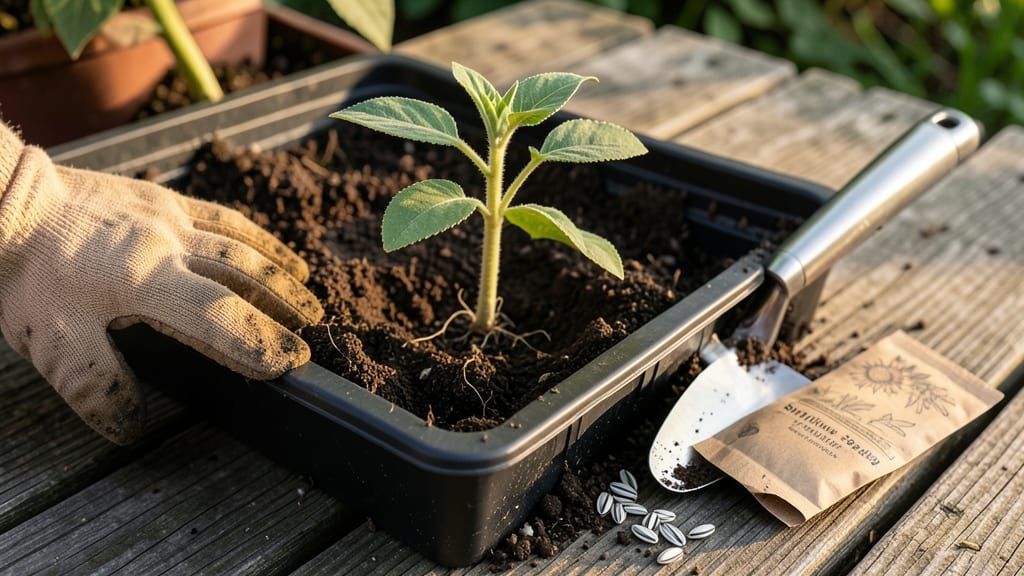
To plant sunflowers in Georgia, aim for mid-April to early June after the last frost — or try late summer for a second crop.
Georgia’s warm climate makes sunflowers a perfect addition to gardens, but timing is everything—plant too early and risk frost, too late and miss peak blooms. Get your frost-free planting schedule by zone to ensure towering 🌻 all summer.
Whether you’re in Zone 7a or 9a, the key is soil temperature and frost dates. Most gardeners in Georgia can start seeds indoors 4-6 weeks before the last frost, but direct sowing after mid-April works just as well.
Below, I’ll break down the exact dates by zone, how to prep soil for fast germination, and why a late-summer planting can give you longer blooms into fall.
Georgia sunflower planting dates by hardiness Zone (7a-8b)
Sunflowers thrive in Georgia’s long growing season, but timing matters to avoid frost damage or summer heat stress. Since Georgia spans USDA Zones 7a-8b, planting windows vary by last frost dates and soil temperatures.
For direct sowing, aim for after your area’s average last frost—typically mid-April to early June—when soil reaches 55°F+.
Transplanting sunflower starts is also an option, but wait until seedlings are 3-4 inches tall and soil is consistently warm. In Zone 8b, where summers are longer, you can even plant a late-summer crop in August for fall blooms.
The key is avoiding extreme heat during germination, which can stunt young plants.
| Zone | Last Frost Date | Ideal Planting Window | Soil Temp for Germination | Notes |
|---|---|---|---|---|
| 7a | Mid-March (varies) | Late April to early May | 55°F+ | Use row covers if frost risk persists. |
| 7b | Early March | Early April to mid-May | 55°F+ | Best for early blooms. |
| 8a | Late February | Mid-March to early June | 60°F+ | Longer window for succession planting. |
| 8b | Early February | Late February to August | 60°F+ | August planting for fall blooms. |
For Zone 7a, where frosts linger until mid-March, plant after April 15 to ensure seedlings aren’t nipped. In Zone 7b, you can start as early as early April, but monitor soil temps—55°F is the magic number for germination.
Use a soil thermometer to confirm readiness, especially in cooler microclimates like the North Georgia mountains.
In Zone 8a, where last frosts average late February, you have flexibility. Sow seeds as early as March 15 for early blooms or late May for a fall display.
The longer growing season here lets you try succession planting—sow a second batch in early June for late-summer flowers.
Zone 8b gardeners have the most options, thanks to its earliest last frost (early February). Plant as early as late February for towering summer blooms or August for a fall harvest. This zone’s hotter summers mean you’ll need to water deeply and provide afternoon shade for young plants to prevent stress.
If you’re transplanting sunflower starts, harden them off for 7-10 days before setting them out. Choose overcast days or late afternoon to reduce transplant shock. In cooler zones (7a-7b), opt for dwarf varieties like ‘Teddy Bear’ to avoid wind damage from late-spring storms.
For direct sowing, plant seeds 1 inch deep and 6 inches apart in rows 2 feet apart. Thin seedlings to 12-24 inches apart once they’re 4-6 inches tall. In sandy soils (common in South Georgia), add compost to retain moisture and improve germination rates.
Pro tip: Mark your calendar for July 4th—this is Georgia’s peak sunflower season! Planting in early June ensures blooms coincide with summer festivals. In Zone 8b, a late-August planting can yield fall harvests before the first frost in mid-November.
Remember, sunflowers are drought-tolerant once established, but consistent moisture during germination is critical. Mulch around plants to retain soil moisture and regulate temperature, especially in Zone 8b’s intense heat. With the right timing, your garden will soon be adorned with sunflower stalks reaching 10+ feet!
Best sunflower varieties for Georgia’s climate and how to choose planting times
Georgia’s Zone 7a-8b climate offers the perfect backdrop for sunflowers, but selecting the right variety and planting time ensures vibrant blooms all season. Tall varieties like Autumn Beauty thrive in Georgia’s heat, while dwarf types such as Teddy Bear work well for containers or small gardens.
Each variety has unique growth cycles that dictate when to plant for peak performance.
For Zone 8b, where summers are intense, prioritize heat-tolerant varieties like Moulin Rouge or ProCut. These types handle Georgia’s 90°F+ temperatures better than others, making them ideal for late spring or early summer planting.
Early bloomers like Early Bird (50-60 days to maturity) can be sown as early as mid-April, while late-season varieties like Russian Giant (100+ days) should wait until late May or early June to avoid bolting.
| Variety | Height | Days to Bloom | Best Planting Time | Heat Tolerance |
|---|---|---|---|---|
| Autumn Beauty | 5-10 ft | 60-70 days | Mid-April to May | High |
| Teddy Bear | 2-3 ft | 50-55 days | April to June | Medium |
| Early Bird | 3-5 ft | 50-60 days | Mid-April to late May | Medium-High |
| Moulin Rouge | 8-10 ft | 80-90 days | Late May to June | Very High |
| Russian Giant | 12-16 ft | 100+ days | Late May to early June | High |
Dwarf varieties like Teddy Bear are perfect for container gardening or adding height to garden beds without overwhelming space. Plant these 4-6 weeks before the last frost (typically mid-April) for early blooms.
In contrast, tall varieties like Russian Giant need more time to mature, so delay planting until late May or June to avoid heat stress during germination.
For Zone 7a, where frosts linger longer, focus on early-maturing varieties like Early Bird or Sunspot (55-60 days). These can handle cooler soils better and still produce blooms before summer’s peak heat.
In Zone 8b, where summers are longer, you can even try a second planting in late July for fall blooms, using heat-tolerant types like ProCut or Moulin Rouge.
Always check your local frost dates and adjust planting times accordingly. In Georgia, late May is a safe bet for most varieties, but soil temperature (ideal: 60-70°F) is just as critical as air temperature. Use a soil thermometer to confirm readiness before sowing seeds.
Choose varieties based on your garden’s space, sunlight, and heat tolerance needs. For example, if you’re in Zone 8b and want long-lasting blooms, Autumn Beauty or Moulin Rouge are excellent choices.
If you prefer quick color, go for Teddy Bear or Sunspot. With the right variety and timing, your Georgia garden will be a sunflower paradise all season long!