
Flowers
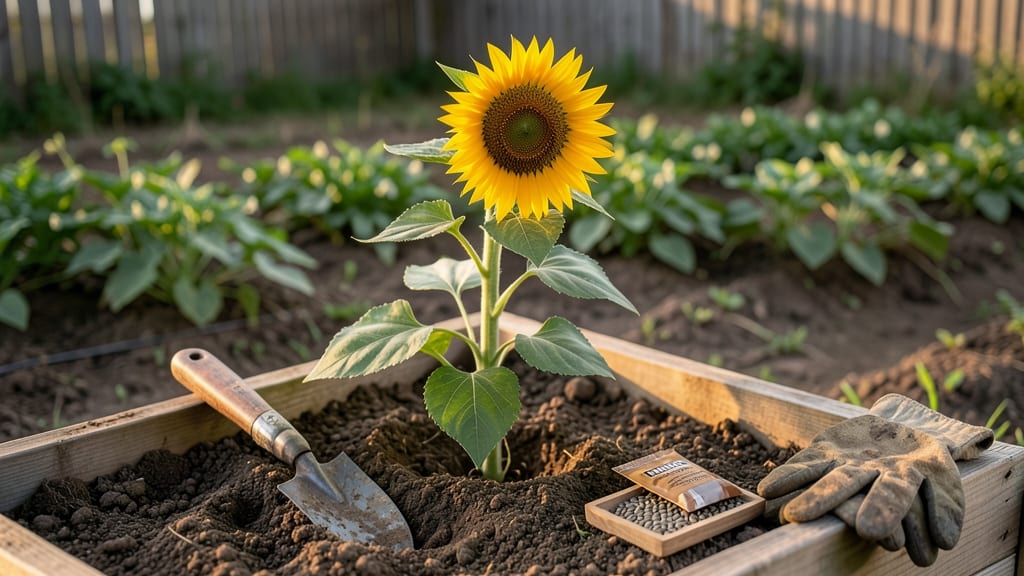
Planting sunflowers in California at the right time means the difference between 16-foot giants and sad, stunted stalks — and the window opens sooner than most gardeners think.
Sunflowers thrive in California’s golden landscapes—but planting them at the wrong time can leave you with wilted dreams instead of towering blooms. Timing is everything, and knowing your frost-free zone is the secret to sunflowers that reach their full, radiant potential.
Coastal gardeners in 9b-10a can start as early as February, while inland valleys (9a-10a) wait until March to avoid frost. Desert zones (9b-10b) have a longer window, but heat stress becomes the real enemy by late summer.
Below, I break down the exact frost-free timeline by zone, the best varieties for your microclimate, and how to stretch your season for continuous blooms from spring to fall.
California sunflower planting timeline by USDA hardiness Zone (avoid frost & heat stress)
California’s diverse climate—from coastal fog to desert heat—means sunflower planting times vary dramatically. In USDA Zones 9-11, frost risk is minimal, but heat stress and soil temperature are your real enemies.
Coastal areas (like San Francisco) can plant 2-3 weeks earlier than inland valleys (like Sacramento) or desert regions (like Palm Springs). The key? Plant when soil reaches 50°F+ and avoid peak summer heat for young seedlings.
Sunflowers are warm-season crops, but their germination speed slows below 60°F. In Zone 9a (e.g., Los Angeles), you can start as early as February for spring blooms, while Zone 10b (e.g., Palm Springs) can extend planting until October.
However, late summer plantings risk heat stress before flowers mature. Let’s break it down by region to maximize your sunflower success rate.
For Zone 9a gardeners (like those in Sacramento), March 15 is your sweet spot—soil warms quickly, and frost risk drops to nearly zero.
Plant ‘Moulin Rouge’ (a dwarf variety) by April 15 for summer-long blooms, but avoid July plantings unless you’re growing ‘Teddy Bear’ (compact and heat-tolerant). Inland valleys hit 100°F+ by July, which can stunt growth or cause bolting (premature flowering).
Coastal Zone 9b areas (e.g., San Diego) can start 2 weeks earlier in February, but watch for coastal fog, which delays germination. If you see morning fog lingering past 10 AM, wait until March.
The last safe planting date is June 1—after that, daylight hours shorten, and flowers may not fully develop. Pro tip: Use black plastic mulch to warm soil faster in cooler microclimates like Santa Barbara.
Desert and Zone 10b regions (e.g., Palm Springs) have the longest growing season, but heat stress is the biggest threat. Plant ‘Russian Giant’ in March for fall harvests, but provide shade cloth (30-50%) for seedlings until they reach 6
How to extend your sunflower season: succession planting & heat-tolerant varieties
California’s sunflowers can bloom from spring to fall—but only if you use succession planting and heat-tolerant varieties. My secret? Staggered plantings every 2-3 weeks to keep your garden bursting with color all season long.
This method works especially well in USDA zones 9-11, where heat can quickly stress young plants.
For coastal areas like San Francisco, start planting ‘Moulin Rouge’ in early February for a summer harvest. Inland valleys like Sacramento should wait until mid-March to avoid late frost damage. Heat-tolerant varieties like ‘Russian Giant’ thrive in desert climates, while ‘Teddy Bear’ handles cooler coastal summers beautifully.
Don’t forget to harvest spent blooms to encourage more flowers. Cut back stems to 12 inches tall after blooming to stimulate secondary growth. This trick works especially well with ‘Russian Giant’, which can produce multiple stems from one plant.
For a fall extension, plant ‘Autumn Beauty’ in late August. These varieties tolerate cooler temperatures and often bloom into November, giving you a stunning late-season display. Just be sure to protect seedlings with row covers if frost threatens.
My top tip? Keep a planting journal to track which varieties thrive in your microclimate. Note when each batch blooms and adjust future plantings accordingly. With these strategies, you’ll enjoy sunflowers in bloom for 6+ months—a true California garden highlight! 🌻