
Flowers
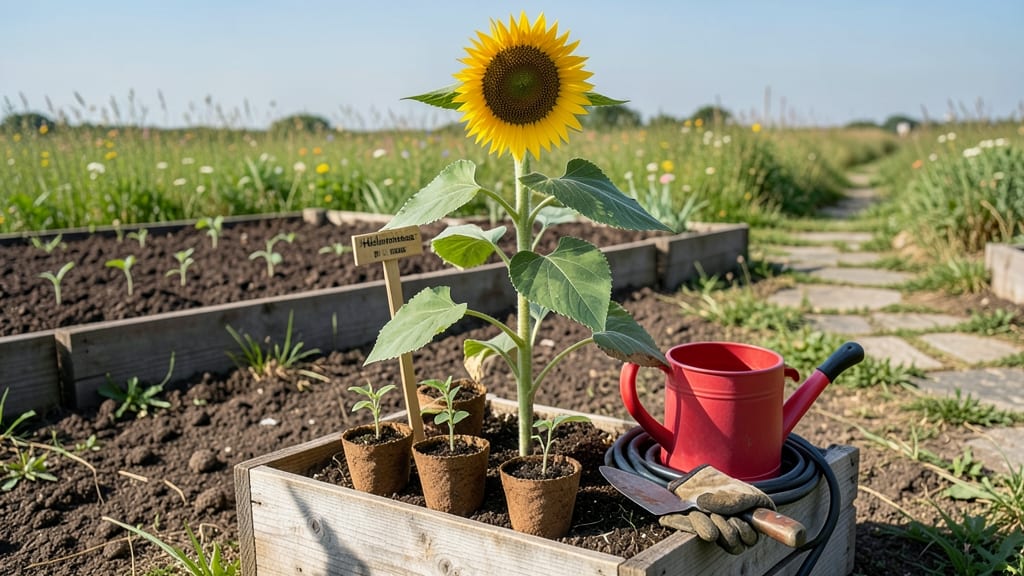
Plant sunflowers in Arizona between November and March to give them a head start before the heat peaks, ensuring strong roots and vibrant blooms.
You might think Arizona’s intense sun would fry sunflowers before they even sprout, but the key is timing—cool winter soil and shorter days prevent bolting while still giving plants enough light to thrive. This is how you beat the heat and grow taller, sturdier 🌻 stalks that handle summer’s fury.
Most of Arizona’s 9b zone never sees frost, so the real challenge is avoiding the 100°F+ summers that can stress seedlings. Planting early means your sunflowers will mature before the worst heat arrives, giving you months of golden blooms instead of wilted disappointment.
Below, I’ll break down the exact month-by-month schedule for your region, the best heat-resistant varieties, and how to prep soil so your sunflowers stand up to Arizona’s desert conditions—no guesswork, just results.
Optimal planting times for sunflowers in Arizona by region
Arizona’s diverse climate—from the scorching low-desert valleys to the cooler high-desert elevations—creates unique planting windows for sunflowers. Unlike many plants, sunflowers thrive in Arizona’s heat, but timing is critical to avoid heat stress or premature bolting.
The key is planting when soil temperatures stay below 85°F and daytime highs are manageable for young seedlings.
Most of Arizona enjoys frost-free winters, but high-desert areas like Flagstaff (USDA Zone 7) can experience light frosts. Low-desert regions like Phoenix and Tucson (Zone 9b-10a) stay warm year-round, but extreme summer heat (above 105°F) can stunt growth.
Below, I break down the best planting windows for each region, including adjustments for early blooms or fall harvests.
🌱 Pro Tip: For direct sowing, aim for November through March in most regions. If transplanting, start seeds indoors 6–8 weeks before the first frost (or late October for high-desert areas) to ensure sturdy seedlings ready for outdoor conditions.
In Phoenix and Tucson, the low-desert climate demands early planting. Seedlings can handle 100°F days once established, but young plants need protection. I recommend sowing seeds directly outdoors in November for spring blooms or January for summer flowers. Use black plastic mulch to warm soil faster and retain moisture.
For Flagstaff and high-desert areas, the cooler climate allows for two planting windows: spring (April–June) and fall (September–October). Fall-planted sunflowers often bloom in winter, providing cheerful color during Arizona’s otherwise bare season.
Choose dwarf varieties like 'Teddy Bear' for easier handling in windy high-desert conditions.
🌡️ Heat Tolerance Tip: Sunflowers can tolerate up to 105°F once mature, but seedlings struggle above 90°F. If planting in May or June (e.g., for late-summer blooms), use 50% shade cloth for the first 3–4 weeks to reduce stress. Remove cloth once plants reach 12 inches tall.
Adjusting timing for early blooms or fall harvests is simple with Arizona’s climate. To force spring blooms, plant in late November and use row covers to protect against cold snaps.
For fall harvests, sow seeds in late July (high-desert) or early August (low-desert) and choose fast-maturing varieties like 'Early Bird' (50–55 days to maturity).
One common mistake is waiting until April to plant in low-desert areas. By then, soil temperatures often exceed 90°F, causing seeds to bolt prematurely (shoot up without flowering).
Instead, start seeds indoors in late February and transplant mid-March for a head start. Harden off seedlings by placing them outdoors for 2–3 hours daily before full transplant.
In high-desert regions, watch for late spring frosts (even in Zone 7). If frost is forecasted after planting, cover seedlings with frost blankets or old bedsheets.
Sunflowers are surprisingly frost-tolerant once established, but young plants may suffer damage below 28°F. Choose wind-resistant varieties like 'ProCut' to avoid stem breakage in high-desert winds.
Finally, consider succession planting for a continuous harvest. Sow a new batch every 2–3 weeks from November to February in low-desert areas. In high-desert zones, stagger plantings in April and September for spring and fall blooms.
This ensures you always have fresh sunflower seeds or cut flowers ready for the table.
With these regional guidelines, you’ll avoid the pitfalls of Arizona’s extreme climate and enjoy vibrant sunflowers from winter to
Best heat-resistant sunflower varieties for Arizona gardens
Arizona’s extreme heat and low humidity can stress sunflowers, but the right heat-resistant varieties thrive in these conditions. Look for drought-tolerant cultivars with disease resistance and deep root systems to handle the desert climate. These varieties will reward you with vibrant blooms and long-lasting stems for cut flowers.
For container gardening, choose dwarf varieties like 'Teddy Bear' or 'Moulin Rouge' that stay under 4 feet tall. These are perfect for patios or balconies in Phoenix or Tucson, where space is limited.
If you’re aiming for cut flowers, taller varieties like 'Autumn Beauty' or 'Russian Giant' will deliver stunning stems for arrangements.
Here’s a quick comparison of the top heat-resistant sunflower varieties for Arizona, including their height, bloom time, and special features:
🌻 Top Sunflower Varieties for Arizona
| Variety | Height | Bloom Time | Heat Tolerance | Best For |
|---|---|---|---|---|
| Autumn Beauty | 5–7 ft | Late summer to fall | Excellent | Cut flowers, long vase life |
| Russian Giant | 10–16 ft | Mid-summer | Very high | Statement plants, seed production |
| Teddy Bear | 2–3 ft | Summer to early fall | High | Containers, pollinator gardens |
| Moulin Rouge | 3–4 ft | Summer | High | Dwarf cut flowers, borders |
| ProCut | 6–8 ft | Mid-summer | Very high | Commercial cut flowers |
Pro Tip: For multi-blooming sunflowers, try 'Autumn Beauty' or 'Italian White'. These varieties produce secondary blooms after the first flower fades, extending your harvest season into fall. 🌻
When selecting seeds, prioritize disease-resistant varieties to avoid powdery mildew or rust, which are common in Arizona’s humid summer monsoons. Look for labels mentioning rust-resistant or mildew-resistant traits. Burpee and Baker Creek Heirloom Seeds offer excellent heat-tolerant options, with seeds available online or at local nurseries.
For container gardening, ensure your pots have drainage holes and use a lightweight potting mix to prevent overheating. Dwarf varieties like 'Teddy Bear' thrive in 5-gallon containers, making them ideal for balconies or patios in urban areas like Phoenix or Tucson.
Always place containers in full sun and water deeply once a week during Arizona’s dry spells.
If you’re growing sunflowers for cut flowers, opt for tall varieties like 'Russian Giant' or 'ProCut'. These produce long, sturdy stems that hold up well in arrangements.
Harvest stems when the flower buds are just starting to open, then place them in cool water immediately to extend their vase life. Deadheading spent blooms encourages new growth and more flowers.
To maximize your sunflower success in Arizona, plant in late winter (February to early March) for spring blooms or late summer (August) for fall harvests. Avoid planting during peak summer heat (June–July), as seedlings may struggle to establish roots in 100°F+ temperatures.
With the right variety and timing, your sunflowers will thrive year after year in Arizona’s desert climate. ✂️