
Plants
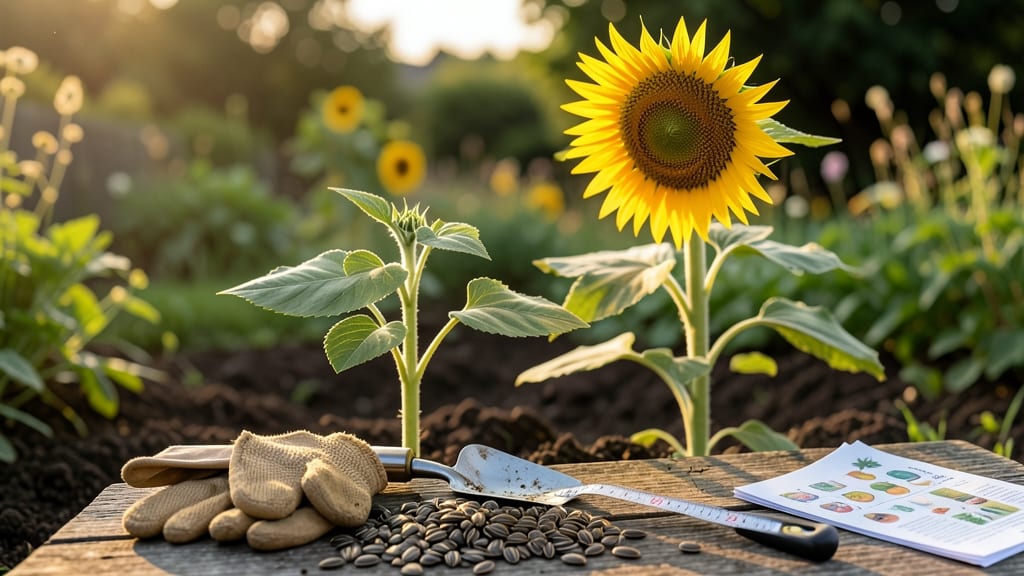
Planting sunflower seeds in Maryland between mid-April and mid-June ensures they beat the last frost and reach their full towering glory 🌻.
Maryland’s sunny skies and fertile soil create the perfect canvas for growing sunflowers—but timing is everything to avoid frost damage and maximize those towering, cheerful blooms.
Miss the window, and you’ll end up with leggy stems or stunted growth, especially in USDA zones 7a-7b. The key is knowing your last frost date and soil temperature, which can vary by just a few weeks across the state.
Below, I’ll break down the exact planting schedule for your Maryland zone, including soil prep tips, spacing tricks, and how to protect young seedlings from late frosts—so you can enjoy sunflowers that rival your neighbors’.
Maryland sunflower planting calendar by hardiness zone: frost dates and optimal timing
Maryland’s USDA hardiness zones 5b-7b create ideal conditions for sunflowers, but frost timing determines success. The last average frost dates range from April 15 in northern zones to May 1 in southern Maryland.
Planting too early risks frost damage, while late planting may delay those iconic sunflower blooms you’re dreaming of.
Sunflowers thrive with direct sowing after soil temperatures reach 55°F+. In Maryland, this typically means mid-April to mid-June for most varieties. For giant varieties, aim for early planting (April), while dwarf varieties can tolerate later starts (June).
Understanding your local frost dates ensures your sunflowers grow strong and tall without winter setbacks.
Here’s your Maryland sunflower planting calendar broken down by zone, including optimal planting windows and frost-free growth periods to maximize your garden’s potential.
For direct sowing, plant sunflower seeds 1 inch deep and 6 inches apart once soil temperatures are consistently above 55°F. In northern Maryland (zones 5b-6a), start seeds indoors 4-6 weeks before your last frost date for a head start.
Transplant seedlings outdoors when they’re 3-4 inches tall and hardened off.
In southern Maryland (zones 7a-7b), you can push the envelope with earlier planting—even as early as late February under row covers. This extends your blooming season and gives you a jump on those late-summer sunflowers that attract pollinators.
Just be prepared to protect young plants with frost cloth if temperatures dip unexpectedly.
Sunflowers are fast growers, with most varieties reaching maturity in 60-120 days. Planting in early June ensures blooms before the first frost, even in northern zones.
For extended harvests, succession plant every 2-3 weeks through mid-July. This staggered approach guarantees continuous sunflower blooms from summer through early fall.
Pro tip: Mark your last frost date and count backward 100 days for giant varieties or 60 days for dwarf types. This ensures your sunflowers reach full maturity before fall frosts hit. For example, in zone 6b, planting by May 15 guarantees blooms before November 15.
If you’re growing sunflowers for seeds, aim for the earliest possible planting in your zone. Giant varieties like ‘Mammoth’
Sunflower varieties for Maryland gardens: growth habits and planting adjustments by type
Maryland’s sunflower varieties thrive when matched with the right planting timing and space. From dwarf varieties perfect for containers to giant sunflowers reaching 14 feet, each type demands unique adjustments to flourish in Maryland’s USDA zones 5b-7b.
Understanding these differences helps you maximize bloom time and avoid frost damage during Maryland’s unpredictable springs.
Your planting window shifts based on variety. Dwarf sunflowers can handle cooler soils, while giant varieties need warmer temperatures to prevent leggy growth. Maryland’s last frost date (around April 15) serves as your starting point, but adjustments are key for each type.
Let’s break down the best approaches for Maryland gardeners.
For dwarf varieties, I recommend starting seeds indoors in early April if you’re eager for blooms. These compact beauties (like 'Teddy Bear') can handle Maryland’s cooler spring soils and even tolerate light frosts.
Their 50-60 day maturity makes them perfect for extending your blooming season into early summer. Plant them 6-12 inches apart in well-draining soil for optimal performance.
Mid-size varieties strike a balance between hardiness and height. 'Autumn Beauty' and 'ProCut' thrive when planted in late April to mid-May, giving them enough time to establish roots before Maryland’s summer heat arrives.
Their 60-75 day maturity ensures blooms appear just as summer peaks. These varieties also attract pollinators, making them excellent for Maryland’s pollinator gardens.
Giant sunflowers like 'Russian Giant' demand patience and precise timing. Plant these after May 15 when soil temperatures exceed 55°F. Their 90-120 day maturity means they won’t bloom until late summer or early fall, but the payoff is worth it—10-14 foot stalks that dominate your garden.
Stake these varieties early to prevent toppling in Maryland’s summer storms.
To extend your sunflower blooming season, consider succession planting. Start with dwarf varieties in April, followed by mid-size in May, and finish with giants in June. This staggered approach ensures continuous blooms from June through October, even in Maryland’s shorter growing season.
For late-season blooms, protect young plants with row covers during unexpected late frosts.
Remember, Maryland’s humidity and summer heat can stress sunflowers. Mulch around the base to retain moisture and prevent fungal diseases. Water deeply in the morning to encourage strong root development and vibrant blooms. With these adjustments, your sunflower garden will shine from spring to fall! 🌻