
Flowers
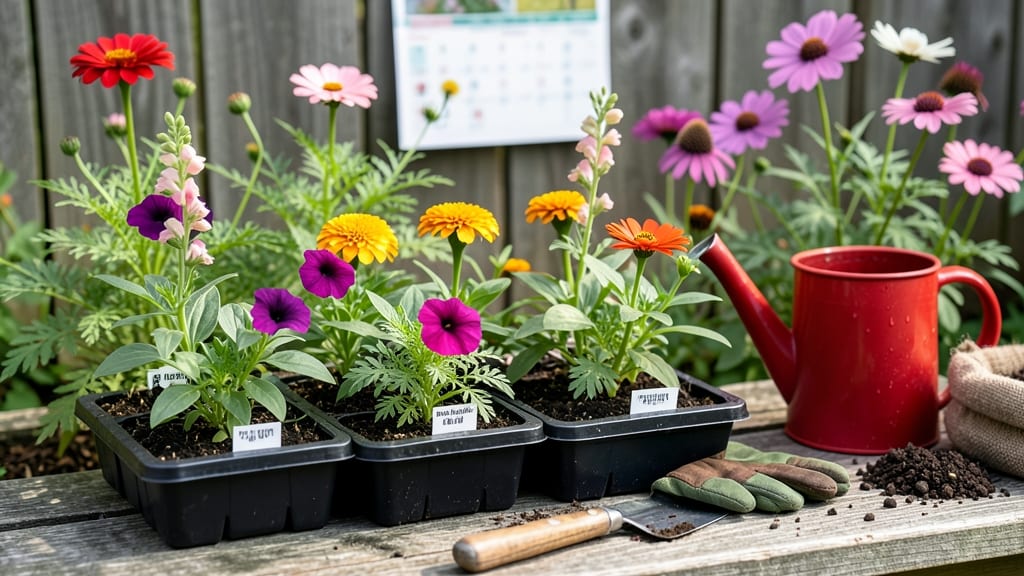
Planting flowers in Tennessee means timing your garden to avoid frost damage and maximize vibrant blooms 🌸—and the best windows are March through May for spring and August through September for fall.
Here’s the catch: Tennessee’s USDA zones 5b to 8a mean your neighbors in Memphis might plant two weeks earlier than you in Knoxville. A late frost in April can wipe out tender annuals, while waiting too long in Zone 8a risks summer heat stress before flowers even sprout.
This guide breaks down the exact zone-specific planting calendar for annuals like petunias, perennials like coneflowers, and bulbs like tulips—plus how to adjust for microclimates like urban heat islands or valley frost pockets.
You’ll learn how to use frost dates, soil prep tips, and even row covers to extend your blooming season—so you’re not stuck with bare soil when your neighbors’ gardens are in full color.
Tennessee flower planting calendar by USDA Zone (5b-8a)
Tennessee’s USDA zones 5b through 8a create a unique challenge for gardeners—what works in Memphis (Zone 8a) might freeze in Knoxville (Zone 6b). To maximize your flower blooms, timing is everything.
Whether you’re planting annuals for summer color or perennials for long-term beauty, knowing your frost-free dates and microclimate is key. Let’s break down the best planting windows for East Tennessee’s cooler zones versus West Tennessee’s warmer climate.
East Tennessee’s higher elevations (Zone 5b-6a), like those in Chattanooga or Bristol, face later last-frost dates—often mid-April to early May. Meanwhile, West Tennessee (Zone 7b-8a), including Nashville and Memphis, can plant 2-4 weeks earlier thanks to milder winters.
Bulbs like tulips and daffodils should go in the ground by November in Zone 5b but can wait until December in Zone 8a. For annuals like petunias and marigolds, start seeds indoors 6-8 weeks before your last frost or sow directly 2-4 weeks after.
| Plant Type | Zone 5b (East TN) | Zone 6a (Central TN) | Zone 7b (West TN) | Zone 8a (Memphis) |
|---|---|---|---|---|
| Annuals (Petunias, Marigolds) | Start indoors: March 1 Direct sow: April 15 |
Start indoors: Feb 20 Direct sow: March 20 |
Start indoors: Feb 1 Direct sow: March 1 |
Start indoors: Jan 15 Direct sow: Feb 15 |
| Perennials (Coneflowers, Black-Eyed Susans) | Plant: April 15-May 15 | Plant: April 1-May 1 | Plant: March 15-April 15 | Plant: Feb 28-April 1 |
| Spring Bulbs (Tulips, Daffodils) | Plant: Oct 15-Nov 15 | Plant: Oct 1-Nov 1 | Plant: Sep 15-Oct 15 | Plant: Nov 1-Dec 15 |
| Fall Annuals (Marigolds, Zinnias) | Direct sow: Aug 1-Sept 15 | Direct sow: July 15-Sept 1 | Direct sow: June 15-Aug 15 | Direct sow: May 15-July 15 |
For Zone 5b gardeners in East Tennessee, late March to mid-May is prime time for spring annuals like petunias and
Best months to Plant flowers in Tennessee’s climate regions
Tennessee’s three distinct climate regions—Appalachian Plateau, Central Basin, and Gulf Coastal Plain—create wildly different planting windows for your flowers. In the cooler Zone 5b mountains, frost lingers until mid-May, while Zone 8a areas like Memphis enjoy 300+ frost-free days.
Even a 100-mile drive can shift your ideal planting month by 4-6 weeks, so knowing your region is key to avoiding frost damage or missed blooms.
For annuals like marigolds and petunias, timing matters most—plant too early in cold zones, and they’ll bolt; too late in hot zones, and they’ll wilt. Perennials like coneflowers are more forgiving but still need 4-6 weeks to establish roots before winter.
Meanwhile, bulbs like tulips thrive when planted in fall, but Zone 5b gardeners must do it by October 15, while Zone 8a can wait until November.
🌸 Tennessee’s Flower Planting Guide by Region
- 1. Appalachian Plateau (Zone 5b): Plant cool-season annuals (pansies, snapdragons) by March 15; perennials after May 1 frost date; fall bulbs by October 15.
- 2. Central Basin (Zone 6a-7a): Start spring annuals (impatiens, vinca) April 1; perennials after April 15; fall planting until September 30.
- 3. Gulf Coastal Plain (Zone 7b-8a): Year-round planting possible! Spring annuals by February 15; fall bloomers (mums, asters) until October 31.
- Pro Tip: Use heat-tolerant varieties (e.g., Lantana, Zinnias) in Zone 8a for summer color; cold-hardy picks (e.g., Black-Eyed Susans, Daylilies) in Zone 5b.
In the Appalachian Plateau, where Zone 5b temperatures drop below 10°F in winter, focus on early spring bloomers like crocuses and daffodils (plant bulbs in October) and late-summer perennials such as Russian sage and sedum.
These thrive in well-draining soil and partial shade, common in higher elevations. For annuals, wait until after May 15 to avoid frost—calendulas and stock are reliable choices.
Moving to the Central Basin (Nashville, Chattanooga), where Zone 6a-7a prevails, you’ve got 6-8 weeks more growing time.
Here, spring annuals like petunias and geraniums can go in the ground by April 1, while fall planting extends until September 30. Heat-loving perennials such as black-eyed Susans and cone flowers shine here—plant them in spring for summer-long blooms.
For bulbs, tulips and hyacinths planted in November will reward you with early spring color.
The Gulf Coastal Plain (Memphis, Jackson) in Zone 7b-8a is Tennessee’s longest growing season, letting you plant almost year-round. Spring annuals like marigolds and vinca can start in February, while fall bloomers (e.g., mums, asters) thrive until October 31. Tropical picks such as hibiscus and plumbago flourish here—just protect them from light frosts with row covers if needed.
For perennials, lavender and salvia are drought-tolerant stars that bloom spring through fall.
No matter your region, soil prep is non-negotiable. Amend clay-heavy soils (common in Central Basin) with compost and sand, while sandy soils (found in Gulf Coastal Plain) benefit from organic matter.
Always water deeply after planting to encourage root establishment, and mulch to retain moisture. With these region-specific tips, your Tennessee garden will burst with color from spring to frost! 🌼