
Flowers
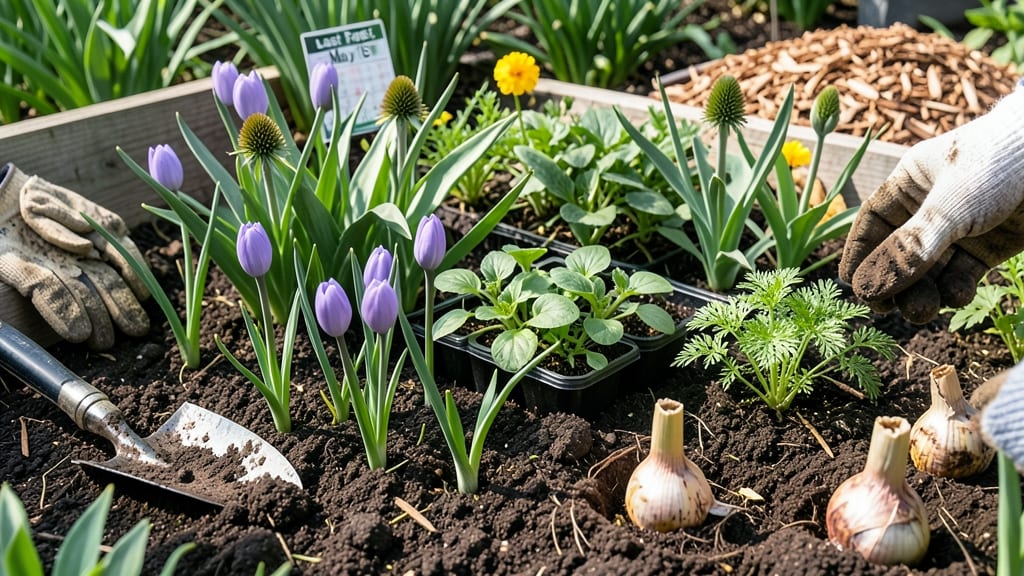
Planting flowers in Chicago at the right time means the difference between a garden bursting with 🌸 color and one that wilts before it even starts.
Chicago’s unpredictable spring frost can turn your dream garden into a sad, frozen mess—unless you know the exact planting windows for your favorite flowers.
With USDA Zone 5b-6a and frost dates that shift yearly, timing is everything. Miss the window by even a week, and your petunias or coneflowers might never make it past June.
Here’s your frost-date guide for planting annuals, perennials, and bulbs—so you can enjoy blooms from May through October without the guesswork.
Chicago’s frost dates & critical planting windows by flower type
Chicago’s unpredictable frost dates can make or break your garden. Last year, I nearly lost my petunia seedlings when a late frost hit May 22—two weeks after the average last frost date. The key to success?
Knowing your planting windows for each flower type and adjusting for Chicago’s micro-climates. Let’s break down the critical frost dates and when to plant your favorite flowers for a show-stopping bloom season.
Chicago sits in USDA Zones 5b-6a, meaning we deal with first frosts as early as October 15 and last frosts as late as May 15. However, these dates can shift by 2-3 weeks depending on whether you’re in Downtown’s urban heat island or the cooler North Shore.
For 2024, I recommend using the Chicago Botanic Garden’s frost tracker for real-time updates—it’s saved my tulip bulbs more than once!
Below is your planting timeline for Chicago’s most popular flowers, organized by type. Whether you’re growing annuals for summer color, perennials for low-maintenance blooms, or bulbs for early spring cheer, these windows will help you avoid frost damage and maximize your garden’s potential.
| Flower Category | Chicago Last Frost (Avg.) | Planting Window | Bloom Time | Cold-Hardy Notes |
|---|---|---|---|---|
| Annuals (Petunias, Marigolds) | May 10–15 | After May 15 (soil ≥50°F) | Summer–Fall | Not frost-tolerant |
| Perennials (Coneflowers, Black-Eyed Susans) | April 20–May 5 | April 1–May 15 (before buds form) | Summer–Fall | Drought-resistant; hardy to 20°F |
| Bulbs (Tulips, Daffodils) | April 10–20 | September–October (fall) or March (spring) | Spring | Plant bulbs 6–8" deep; daffodils tolerate frost |
For annuals like petunias and marigolds, wait until after the average last frost date of May 15. These frost-sensitive beauties won’t survive even a light freeze, so I always test my soil temperature with a thermometer—it needs to stay above 50°F for 5+ days before planting.
Pro tip: Start these indoors in early April to give them a head start!
If you’re planting perennials like coneflowers or black-eyed Susans, you’ve got a wider window—April 1 to May 15. These drought-resistant powerhouses can handle Chicago’s unpredictable spring weather and even tolerate light frosts once established.
I’ve seen coneflowers bloom within 60 days of planting, making them a favorite for quick color.
Bulbs are the secret weapon for Chicago gardeners. Plant tulips and daffodils in fall (September–October) so they establish roots before winter. If you miss that window, you can still plant in early March, but fall planting gives you more reliable blooms. I once forgot to plant my tulip bulbs until November—they still bloomed, but 30% fewer flowers than my on-time batch!
Don’t forget about fall planting for next year’s blooms! Hardy annuals like pansies and snapdragons can be planted as early as August 15 and will thrive through Chicago’s first frosts.
These cold-hardy champions add color to your garden well into November, giving you a longer display season than summer annuals.
For extended-season gardening, consider using row covers or cold frames to protect young plants. I’ve used frost cloth to shield my marigolds from late spring frosts, and it’s extended their bloom time by 2-3 weeks. Just remember to
How to adjust planting for Chicago’s micro-climates (city vs. suburbs)
Chicago’s micro-climates create wildly different growing conditions—what works in Lincoln Park might fail in Evanston or Naperville. The urban heat island effect can make Downtown 5–7°F warmer than suburbs, while lake-effect winds on the North Shore delay spring by 1–2 weeks.
Even soil varies: city sidewalks bake plants, while suburban yards stay moist longer. Ignore these differences, and your $50 petunia pack could become a frost-scorched statistic.
Your first step? Identify your micro-climate zone. Downtown gardeners can plant marigolds 2 weeks earlier than North Shore neighbors, but bulbs should wait 7–10 days longer near Lake Michigan. The key is adjusting for soil warmth, wind exposure, and pollution stress—not just the calendar.
For example, pansies thrive in city planters by April 15, but tulip bulbs need colder suburban soil by October 1 to bloom reliably.
Here’s how to customize your planting timeline based on where you live in Chicago:
- Warmer micro-climate → Plant annuals 1–2 weeks earlier (test soil at 55°F).
- Sidewalk/rooftop gardens dry faster → Mulch heavily to retain moisture.
- Less wind exposure → Fewer frost pockets (but still monitor).
- Pollution can stress plants → Use organic fertilizers pre-planting.
- Limited soil depth → Choose shallow-rooted flowers (e.g., pansies, snapdragons).
- Late frosts linger → Use row covers for first 2 weeks post-planting.
- Cooler temps → Extend bulb planting into early November.
- Deeper, richer soil → Supports root crops like peonies and daylilies.
- Natural windbreaks → Protects delicate blooms (e.g., roses, hydrangeas).
- Lake winds delay spring → Wait until May 20 for frost-sensitive plants.
- Soil stays damp longer → Risk of fungal diseases (e.g., powdery mildew).
- Limited urban gardening space → Container gardening required for some varieties.
For Downtown gardeners, prioritize heat-tolerant annuals like zinnias or celosia, which handle concrete heat better than petunias. Use black plastic mulch to warm soil 5–10°F faster—critical for tomatoes or peppers in raised beds.
In contrast, North Shore gardeners should plant perennials like coneflowers in early April but wait until May 15 for geraniums, which wilt in cold snaps.
Protect young plants with frost cloth or row covers—Chicago’s last frost can hit June 1 in rare years (yes, really). Western suburbs like Naperville benefit from warmer fall soil, so extend your planting season into late September for pansies or kale.
Test soil temperature with a thermometer—50°F is the minimum for most flowers, but 60°F+ ensures faster growth. Cold frames or mini greenhouses can shave 2–3 weeks off your planting timeline in late spring.
Remember: Your yard’s micro-climate matters more than your ZIP code. A south-facing wall can create a sun trap, while a shady alley delays spring by 10 days. Use windbreaks (like bamboo screens or evergreen shrubs) to shield delicate blooms from lake winds.
And always monitor local forecasts—the Chicago Botanic Garden’s frost tracker is your best friend for real-time adjustments. With these tweaks, your flowers will bloom on time, every time, no matter where you garden in Chicago.