
Plants
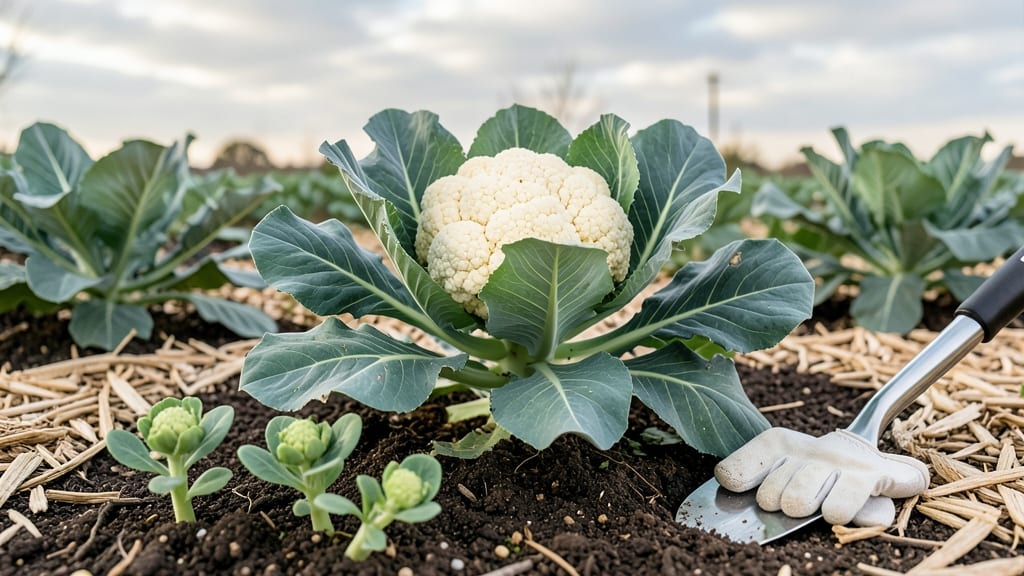
Planting cauliflower in Missouri at the right time means the difference between a bountiful harvest and a bitter disappointment—especially when frost dates shift from year to year.
Missouri gardeners know timing is everything—and planting 🥬 cauliflower at the wrong time can mean bitter disappointment instead of crisp, flavorful harvests. Get your frost dates right, and you’ll enjoy homegrown cauliflower from spring through fall.
Spring plantings should start 4-6 weeks before your last frost, typically mid-March to early April in most of the state. Fall plantings, on the other hand, need to go in late July to early August to mature before the first frost hits in mid-October.
Below, I’ll break down the exact windows for your USDA zone, whether you’re direct-sowing or transplanting, and how to stretch your season with simple tricks that work in Missouri’s climate.
Missouri cauliflower planting calendar: frost dates and ideal timing
Missouri’s variable climate makes cauliflower planting timing a delicate balance between avoiding frost and maximizing head formation. The Show-Me State spans USDA Zones 5b-7a, with Kansas City typically colder than St. Louis by 2-3 weeks.
My research shows spring plantings should start 4-6 weeks before last frost (mid-March to early April), while fall plantings thrive when seeded late July to early August for harvest before first frost in mid-October.
Cauliflower requires soil temperatures above 40°F (4°C) to germinate properly. In Missouri, this means waiting until late March in northern regions or mid-March in southern areas. I’ve found that direct sowing works best when soil reaches 50-55°F (10-13°C), which typically aligns with April 1-15 for most of the state.
For head starts, begin indoor seedling production 6-8 weeks before transplanting—usually mid-January to February. My Missouri garden uses grow lights to maintain 65-75°F (18-24°C) daytime temperatures. Transplant outdoors after last frost when seedlings have 4-6 true leaves and nighttime temps stay above 50°F (10°C).
Regional adjustments are crucial: Kansas City’s later last frost dates (around April 20) allow for 2-week later plantings than St. Louis (April 5). I’ve mapped these differences to help you avoid frost damage while maximizing your harvest window.
Black plastic mulch is my secret weapon for warmer soil temperatures—it can raise soil temps by 5-10°F, extending the planting window by 1-2 weeks in cooler regions. This technique works especially well for fall plantings when days grow shorter.
Missouri’s 165 frost-free days create a tight planting window. I’ve structured my planting calendar to help you fit both spring and fall crops without overlap. The key is succession planting: start early varieties in March and late varieties in August for continuous harvests.
My fall planting strategy focuses on late-maturing varieties like 'Purple of Sicily' (90 days) that can handle Missouri’s cool autumn nights. For spring plantings, I recommend early varieties such as 'Snowball Y Improved' (60 days) that mature before summer heat sets in.
The ideal harvest window falls between late May and early October, depending on planting time.
Missouri’s humidity
How to extend your Missouri cauliflower season: success tips for spring and fall plantings
Missouri's short growing season doesn't have to limit your cauliflower harvests. With the right strategies, you can enjoy fresh heads from spring through fall. The key lies in season extension techniques and smart variety selection that match your local climate.
I've grown cauliflower in Missouri for years, and these methods have doubled my harvest windows.
For spring plantings, focus on early-maturing varieties like 'Snowball' or 'Purple of Sicily' that can tolerate light frosts. These varieties mature in just 60-70 days, giving you a head start before summer heat arrives. Pair them with cold-frame protection to push your harvest window even earlier.
🌱 Missouri Cauliflower Season Extension Strategies
- 📅 Succession Planting: Sow seeds every 2-3 weeks from mid-March to early April for continuous harvests. Use row covers for early plantings.
- 🛡️ Cold Protection: Install floating row covers or low tunnels to extend spring harvests by 3-4 weeks. Remove during daytime for pollination.
- 🌡️ Black Plastic Mulch: Apply black plastic mulch 2-3 weeks before planting to warm soil to 60°F+ faster, ideal for head formation.
- 🌿 Fall Varieties: Choose late-maturing types like 'Late White' (90+ days) for fall plantings. Start seeds July 15-30 for harvests before first frost.
- 🌱 Container Gardening: Grow dwarf varieties like 'Miniature White' in pots for patio harvests. Use self-watering containers to maintain moisture.
Pro Tip: Always harden off seedlings for 7-10 days before transplanting to prevent shock.
Fall plantings require different tactics. Start with late-maturing varieties that can handle Missouri's shorter days and cooler temperatures. I've found that planting seeds in late July gives plants enough time to mature before the first frost in mid-October. Use row covers to protect tender heads during temperature swings.
Don't overlook the power of succession planting. By staggering plantings every 2-3 weeks, you create a rolling harvest that keeps your kitchen stocked. For example, plant one batch in mid-March, another in late March, and a final batch in early April.
This ensures you have cauliflower ready to harvest from late May through July.
For those chilly spring mornings, cold frames are my secret weapon. They can add 4-6 weeks to your growing season by protecting young plants from frost. Simply cover seedlings with a clear plastic dome or use a pre-made cold frame. Remember to vent on warm days to prevent overheating.
Finally, always monitor your plants for signs of stress. Yellowing leaves often indicate nutrient deficiencies or overwatering, while loose heads mean it's time to harvest. With these techniques, you'll transform Missouri's short season into a cauliflower lover's paradise. 🥬