
Plants
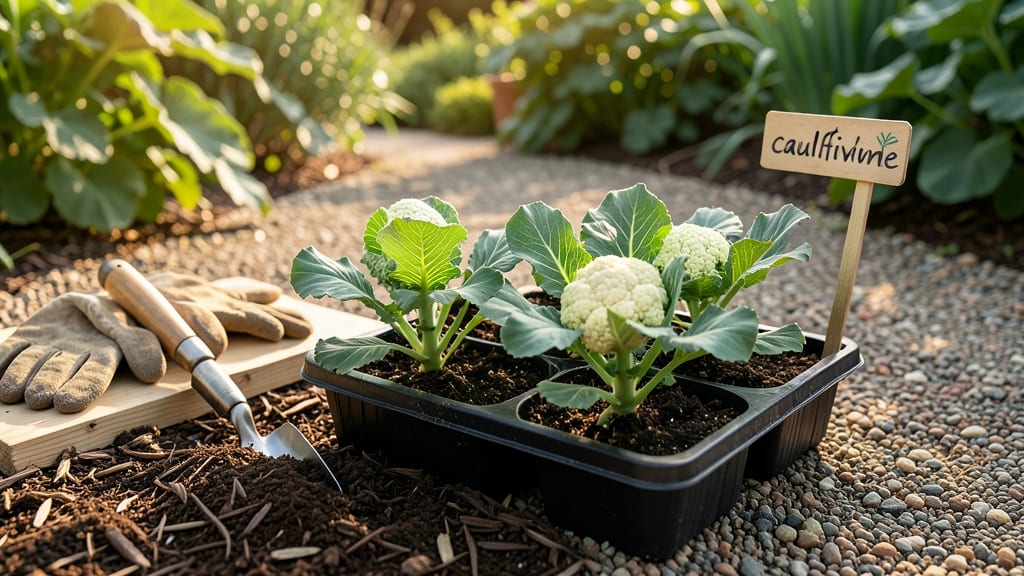
Planting cauliflower in Florida requires timing it perfectly to beat the heat and avoid early bolting—aim for late summer or early winter for the best results 🥬.
If you’ve ever watched your cauliflower plants wilt under Florida’s relentless sun or bolt before forming heads, you know the struggle is real. The key isn’t just when to plant—it’s understanding how your region’s microclimate plays into the equation.
North Florida’s cooler winters give you a longer window than South Florida’s near-tropical heat, but both regions demand careful planning. Whether you’re starting seeds indoors or transplanting seedlings, the 8-10 week rule before the first frost is your golden ticket to success.
Below, I’ll break down the exact months to plant by zone, how to prep your soil for Florida’s sandy conditions, and the simple tricks to keep your cauliflower thriving until harvest—no matter where you garden in the state.
Optimal cauliflower planting windows in Florida’s frost-free zones
Growing cauliflower in Florida’s frost-free zones requires precise timing, as this cool-season crop thrives in temperatures between 60°F and 70°F. Unlike northern states, Florida gardeners must work with short windows between summer heat and mild winters.
The key is planting 8-10 weeks before your region’s first frost—or avoiding frost entirely in South Florida—while ensuring seedlings don’t face heat stress above 85°F.
Florida’s climate varies dramatically from North to South, with North Florida experiencing occasional frosts while South Florida remains frost-free year-round. This means your planting schedule should adjust based on whether you’re in USDA Zones 9a-11.
Below, I’ll break down the exact transplant dates and seed-starting timelines for each region, plus how to handle microclimates like coastal areas or inland valleys.
For North Florida, the fall planting window is critical because frosts can arrive as early as mid-December. Start seeds indoors by July 1 to ensure transplants are ready by September 15, giving plants 8-10 weeks to mature before cold snaps.
In Central Florida, you’ve got a slightly longer window, but heat can still stress seedlings if planted too early. Aim for mid-August starts to avoid summer’s peak temperatures.
South Florida’s frost-free status means you can plant year-round, but summer heat (above 85°F) will cause cauliflower to bolt prematurely. Focus on July-September for fall harvests and December-February for spring.
If you’re in a coastal microclimate, like near the Gulf or Atlantic, you may experience cooler temperatures that extend your growing season by 2-4 weeks compared to inland areas.
Adjust your schedule if you’re using shade cloth or row covers—these can push your planting window 1-2 weeks earlier in North Florida. For example, a 30% shade cloth can lower soil temperatures by 5-10°F, making it safer to plant in late August instead of waiting for September.
Always monitor your local weather forecasts for unexpected cold snaps, even in South Florida.
If you’re new to growing cauliflower, start with heat-tolerant varieties like ‘Snowball Y Improved’ or ‘Cheddar,’ which handle Florida’s climate better than traditional types. These varieties can tolerate short periods of heat (up to 90°F) and still produce firm, compact heads.
Pair them with daily afternoon shade during peak summer months to improve success rates.
Pro tip: Use a soil thermometer to check temperatures before planting. Cauliflower roots prefer soil temps between 60°F and 70°F. If your soil is warmer, wait until evening to transplant or use mulch to cool the ground.
Overheated soil can stunt growth and lead to poor head formation, even if air temperatures are ideal.
Remember, Florida’s humidity can also affect cauliflower. To prevent disease, space plants 18-24 inches apart
How to extend Florida’s growing season for cauliflower success
Florida’s warm winters can challenge cool-season crops like cauliflower, but with the right strategies, you can protect your plants from unpredictable weather. The key lies in season extension techniques that mimic cooler conditions while shielding your plants from heat spikes and humidity.
I’ve found that combining row covers, mulching, and shade cloths creates a microclimate perfect for cauliflower development, even in Florida’s USDA zones 9a-11.
One of the biggest hurdles is heat stress, which causes cauliflower to bolt prematurely. By starting with heat-tolerant varieties like ‘Snowball Y Improved’ or ‘Purple of Sicily’ and using protective barriers, you can push your harvest window by 4-6 weeks.
These methods also help compensate for Florida’s short cool seasons, where temperatures can swing from 60°F to 85°F in a single day.
🌱 Essential Season-Extension Strategies for Florida Cauliflower
- 🌡️ Row Covers: Use floating row covers (30% shade) to block wind and moderate temps. Secure edges with bricks or soil to prevent heat buildup.
- 🌿 Mulching: Apply 4-6 inches of straw or wood chips to retain soil moisture and insulate roots. Replenish after heavy rains.
- ☀️ Shade Cloth: Deploy 30-50% shade cloth during peak afternoon sun (12 PM–4 PM) to prevent bolting. Remove in early morning for sunlight.
- 🌱 Companion Planting: Surround cauliflower with bush beans or lettuce to shade roots and deter pests. Avoid planting near tomatoes or cabbage, which compete for nutrients.
- 💧 Drip Irrigation: Water early morning (6–8 AM) to reduce fungal risks. Use soaker hoses to keep foliage dry.
- 🌱 Soil Amendments: Mix compost and aged manure into beds to boost organic matter. Aim for a pH of 6.5–7.0 for optimal nutrient uptake.
Before planting, prepare your seedlings and soil with a pre-season checklist to ensure they’re ready for Florida’s fluctuating conditions. Start by hardening off seedlings for 7–10 days before transplanting, gradually exposing them to outdoor temps and sunlight.
For soil, incorporate organic matter like compost or well-rotted leaves to improve drainage and water retention—critical in Florida’s heavy clay soils.
Another game-changer is succession planting. Instead of one large batch, stagger plantings every 2–3 weeks from late August through October. This ensures a continuous harvest and reduces the risk of losing your entire crop to a sudden heatwave.
Pair this with companion planting, like interplanting cauliflower with radishes or spinach, which mature faster and provide early shade for the slower-growing cauliflower.
Monitor your plants closely for signs of stress, such as yellowing leaves or loose heads, which indicate heat or nutrient issues. If you notice bolting (premature flowering), trim the flower stalk immediately and provide extra shade.
With these techniques, I’ve successfully grown cauliflower in North Florida’s Zone 8b and even South Florida’s Zone 10a, proving that Florida’s climate isn’t a dealbreaker—just a puzzle to solve creatively.
Remember, the goal is to mimic ideal growing conditions (60–70°F days, 50–60°F nights) while working with Florida’s reality. By layering these strategies—protection, insulation, and smart spacing—you’ll turn your cauliflower into a resilient, high-yielding crop, even in the Sunshine State. 🥬