
Flowers
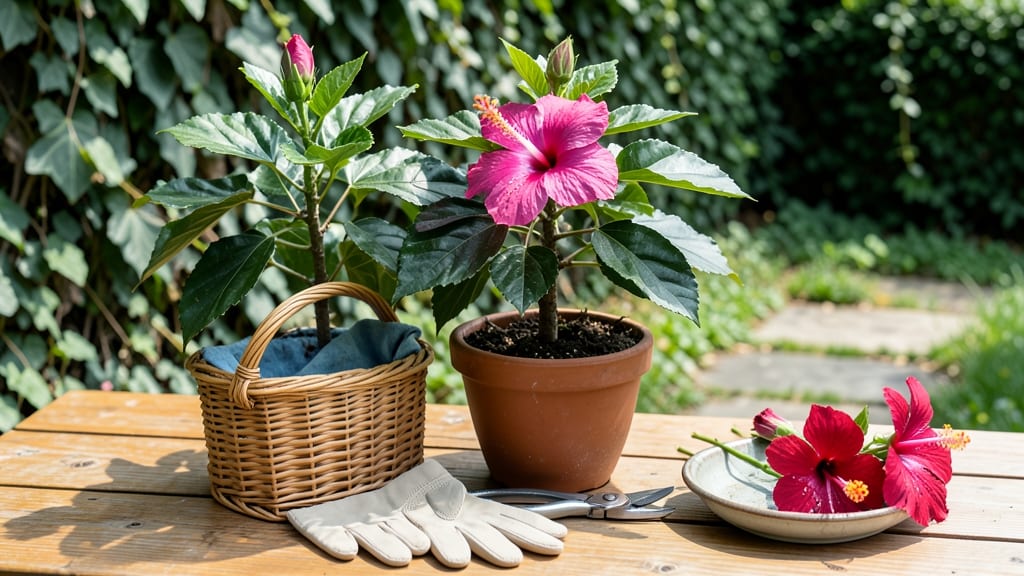
Harvesting hibiscus flowers at their peak deep red stage delivers the best tart, floral tea flavor—just when the petals fully unfurl and the center stays intact.
If you’ve ever plucked a hibiscus too early and ended up with a weak, almost flavorless brew—or waited too long and got a bitter, astringent cup—you know timing is everything. The difference between a refreshing sip and a disappointing one comes down to a few simple visual cues.
Morning is the ideal time to harvest, when dew has dried but the heat hasn’t stressed the blooms. In USDA Zone 6a, aim for late summer to early fall (August–October), when hibiscus plants are at their most productive and the flowers are bursting with color.
Below, I’ll walk you through how to spot the perfect flower, what to avoid, and how to dry and store your harvest for the most potent, aromatic tea—no guesswork required.


Best color stages for harvesting hibiscus flowers for tea
Harvesting hibiscus flowers at the wrong stage can ruin your tea's flavor profile. The color of the flower directly impacts its tartness, aroma, and overall quality. Understanding these stages helps you pick flowers at their peak for the most bold, refreshing tea possible.
Hibiscus flowers go through distinct color phases, each with unique flavor characteristics. From green buds to deep red blooms, knowing when to harvest ensures your tea has the perfect balance of tartness and floral notes.
Let's explore each stage so you can make the best choice for your tea blends.
Visual identification is key—don't rely solely on color. Check for petal texture, stem firmness, and bloom openness. These clues help determine if a flower is ready for harvest or still developing.
| Stage | Color Description | Flavor Profile | Harvest Recommendation | Visual Cues |
|---|---|---|---|---|
| Bud Stage | Tight, greenish buds | Neutral, no flavor | Avoid (underdeveloped) | No petal separation |
| Early Bloom (Pink) | Light pink, partially open | Mild, slightly sweet | Optional (lower yield) | Petals unfurling |
| Peak Harvest (Deep Red) | Vibrant red, fully open | Tart, floral, bold | Best choice (ideal balance) | Petals flat, center intact |
| Overripe (Brownish) | Dull red/brown edges | Bitter, astringent | Avoid (flavor decline) | Wilting or curled petals |
The bud stage is the least desirable for tea-making. Flowers at this stage lack the anthocyanins that give hibiscus its signature tartness. Harvesting them results in a flavorless, weak tea that won't impress your taste buds.
When flowers reach the early bloom stage with light pink petals, they offer a mild, slightly sweet flavor. While edible, these flowers produce lower yields of tea. They're best used in blends where you want to mellow out the tartness of deeper red flowers.
The peak harvest stage is where hibiscus flowers shine for tea. At this point, they're vibrant red and fully open with flat petals. This is when the flavor profile reaches its peak—bold, tart, and deeply floral. These flowers contain the highest concentration of beneficial compounds.
Overripe flowers with brownish edges or wilted petals should be avoided. Their flavor becomes bitter and astringent, ruining your tea's quality. These flowers are past their prime and won't contribute positively to your brew.
For the best results, harvest your hibiscus flowers in the morning when they're fully open and dry. This timing ensures maximum flavor extraction when you dry and process them for tea.
Remember that flower color can vary slightly by hibiscus variety. Some may bloom in pink, yellow, or orange, but the deepest red flowers typically offer the most intense flavor. When in doubt, focus on the visual cues of petal texture and bloom openness rather than just color.
With this knowledge, you'll be able to consistently harvest hibiscus flowers at their peak, ensuring every cup of tea you make is bold, flavorful, and refreshing. Happy harvesting! 🌸
How flower maturity affects hibiscus tea flavor and potency
The maturity stage of hibiscus flowers dramatically impacts your tea’s flavor profile and antioxidant potency. At the wrong stage, you risk a bitter, astringent brew instead of the tart, floral tea you crave.
The secret lies in understanding how anthocyanins and tannin levels evolve as flowers mature—peaking at the perfect moment for harvest.
When hibiscus blooms reach their deep red color, they’re packed with maximum anthocyanins, the compounds responsible for that signature tart kick and vibrant hue. These antioxidants also provide caffeine-free energy, making your tea a refreshing alternative to coffee.
But harvest too early or late, and you’ll miss the flavor sweet spot where tartness and aroma harmonize beautifully.
At the bud stage, flowers contain almost no flavor compounds, resulting in a bland tea. As they transition to light pink, a hint of sweetness emerges, but the anthocyanin levels remain low.
This is why many tea blends use a mix of stages—but for maximum potency, focus on the deep red phase where tannins and antioxidants reach their peak.
Harvesting overripe flowers with brownish edges introduces bitterness and astringency, thanks to increased tannin breakdown. The floral aroma also fades, leaving your tea tasting flat. To avoid this, always check for firm petals and a vibrant center—signs your hibiscus is at its flavor zenith.
Beyond color, timing matters too. Morning harvests yield the brightest flavors because flowers are hydrated from overnight dew but haven’t yet lost moisture to the midday sun. Avoid harvesting after rain, as damp petals can develop mold during drying, ruining your tea’s quality.
For the best results, pick flowers between 8 AM and 10 AM on dry days.
Once harvested, dry the petals quickly and evenly to preserve their antioxidant content. Spread them in a single layer on a screen or mesh in a shady, well-ventilated area. Proper drying locks in the tartness and aroma you worked so hard to cultivate.
Store the dried petals in an airtight container away from light to keep them fresh for up to 6 months.
By mastering the maturity window and post-harvest care, you’ll unlock hibiscus tea with bold flavor, rich color, and maximum health benefits—all from your own backyard. Every sip becomes a reward for your patient, science-backed approach. 🌿