
Flowers
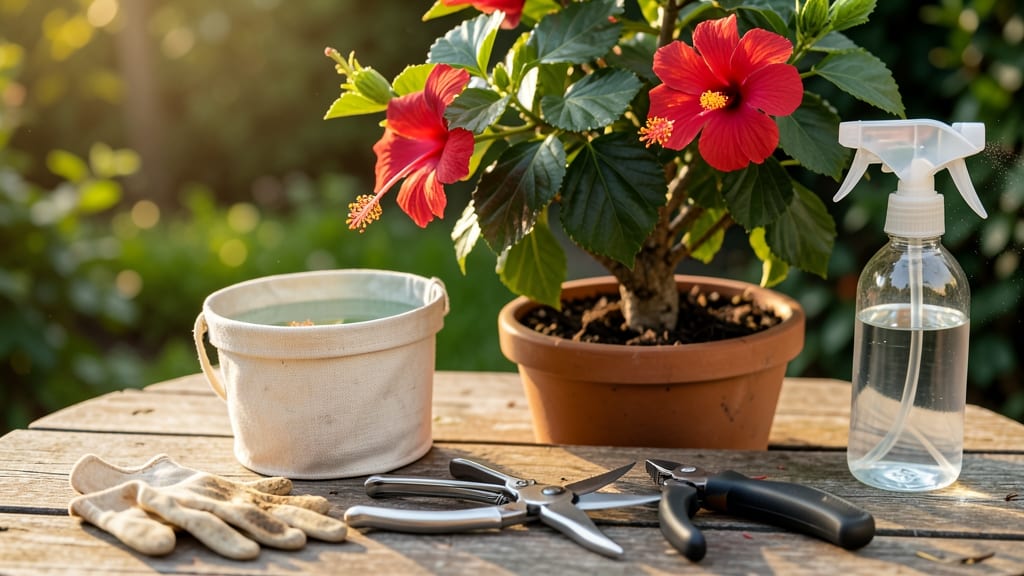
Harvesting hibiscus flowers at their peak means capturing vibrant blooms 🌸 for bouquets, teas, or crafts—without stressing your plant.
You’ve probably seen those stunning, oversized hibiscus blooms and wondered, When is the best moment to snip them? The answer isn’t just about timing—it’s also about how you cut, store, and encourage your plant to keep producing.
Get this wrong, and you’ll end up with wilted stems or a plant that stops flowering entirely.
In this guide, I’ll walk you through the best time of day to harvest, the tools you’ll need, and the simple techniques to preserve those gorgeous petals—whether you’re making a floral arrangement or drying them for tea. Plus, I’ll share how to keep your hibiscus blooming all season long.
By the end, you’ll know exactly how to harvest hibiscus flowers like a pro, ensuring your plant stays healthy and your harvest stays fresh for as long as possible.


When to harvest hibiscus flowers for optimal freshness and use
Harvesting hibiscus flowers at the right time ensures they stay vibrant for culinary, medicinal, or decorative uses. The best time of day is early morning, when petals are fully unfurled and dew-free.
This timing preserves moisture and color intensity, whether you're using them for hibiscus tea, dried arrangements, or fresh bouquets. Morning harvests also reduce wilting during transport or storage.
Seasonal timing matters too—focus on harvesting during the peak bloom season, which typically runs from mid-summer to early fall (July to September in most USDA zones).
Tropical hibiscus varieties like Hibiscus rosa-sinensis bloom year-round in warm climates, while hardy hibiscus (Hibiscus moscheutos) produce their best flowers in late summer. Always harvest when at least 50% of buds are fully open.
| Harvest Factor | Optimal Condition | Why It Matters |
|---|---|---|
| Time of Day | Early morning (6-9 AM) | Petals retain moisture and vibrant color |
| Flower Maturity | Fully open (petals unfurled) | Maximizes flavor and texture for culinary uses |
| Seasonal Window | July-September (peak bloom) | Aligns with plant's natural energy for best yield |
| Stem Condition | Firm, flexible, green | Prevents breakage and extends vase life |
| Weather Conditions | Dry, no rain forecasted | Avoids muddy stems and fungal contamination |
Never harvest hibiscus flowers that are still in bud form—these won't reach their full potential for color or flavor. Look for fully unfurled petals with vibrant hues (deep reds, pinks, or yellows) and a firm stem that's green, not woody.
If you're harvesting for dried arrangements, allow flowers to open completely before picking, as they'll continue drying on the plant.
For culinary uses, like making hibiscus tea, prioritize flowers that are fully open but not wilted. The brightest colors indicate peak anthocyanin content, which gives tea its rich hue and tangy flavor.
If harvesting for medicinal purposes, such as infusions for immune support, focus on organic hibiscus varieties grown without pesticides to preserve beneficial compounds.
Seasonal timing also affects plant health. In USDA Zone 6, avoid harvesting after the first frost (typically late October), as cold temperatures stress the plant.
Instead, focus on late summer harvests when hibiscus plants are at their most productive. This timing also gives the plant time to replenish energy before winter dormancy.
Pro tip: Harvest every 2-3 days during peak season to encourage continuous blooming. Hibiscus plants respond well to regular picking, producing more buds when you remove spent flowers.
Just avoid taking more than one-third of the blooms at once to prevent overstressing the plant. This balance keeps your hibiscus looking lush while maximizing your harvest.
If you're growing hibiscus in containers, morning harvests are even more critical since potted plants dry out faster. Check stems for flexibility—a woody stem means the plant is stressed.
For outdoor garden beds, focus on harvesting from the outer branches first to maintain the plant's natural shape and encourage inward growth.
Store freshly harvested hibiscus flowers in a cool, dark place with high humidity (like a damp paper towel in a sealed container) if you can't use them immediately. For long-term storage, dry flowers by hanging them upside down in a well-ventilated area for 1-2 weeks.
This preserves their color and extends shelf life for up to 6 months.
Remember, the key to consistent harvests is regular care. Ensure your hibiscus gets 6-8 hours of sunlight daily, well-draining soil, and balanced fertilization every 4-6 weeks during growing season. These practices create the perfect conditions for abundant, high-quality blooms that make harvesting a rewarding experience.
Step-by-step harvesting techniques for different hibiscus types
Harvesting hibiscus flowers requires precision, especially since different varieties—like tropical hibiscus (Hibiscus rosa-sinensis), hardy hibiscus (Hibiscus moscheutos), or edible types—have unique needs. The wrong technique can stress your plant or reduce future blooms.
Whether you're picking flowers for bouquets, teas, or crafts, mastering the method ensures longevity and plant health. I’ll walk you through the tools, timing, and handling tips for each type to keep your hibiscus thriving.
For all hibiscus varieties, the best time to harvest is early morning after dew has dried but before the sun peaks. This preserves moisture and vibrancy, whether you’re cutting stems for arrangements or gathering petals for culinary uses.
Avoid harvesting in hot afternoons or rainy days, as this can damage delicate petals or introduce mold. Now, let’s dive into the specific steps for each hibiscus type, starting with the most common: tropical hibiscus.
How to Harvest Hibiscus Flowers
- 1 Choose the right tools: Use sharp, clean pruners or scissors to avoid crushing stems. Disinfect tools with rubbing alcohol to prevent disease spread.
- 2 Identify mature flowers: Pick flowers when fully open but not wilting, with vibrant petals and a firm, flexible stem. Avoid buds or partially open blooms for best results.
- 3 Cut at the right angle: Snip stems at a 45-degree angle, about 1/4 inch above a leaf node. This encourages new growth and prevents water from pooling.
- 4 Handle edible varieties gently: For culinary hibiscus, like Hibiscus sabdariffa, wear gloves to avoid resin or sap on hands. Rinse petals gently with cool water to remove dust.
- 5 Store properly: Place harvested flowers in a bucket of cool water if using for bouquets, or lay flat on a paper towel for culinary use. Refrigerate for up to 3-5 days for freshness.
- 6 Post-harvest care: After harvesting, fertilize lightly with a balanced 10-10-10 mix to encourage regrowth. Prune any dead or overcrowded branches to improve airflow.
For hardy hibiscus (Hibiscus moscheutos), which thrives in cooler climates, focus on harvesting after the first frost risk has passed (typically late spring to early summer). These varieties often produce larger blooms, so use longer-handled shears to avoid straining your back.
After cutting, immediately place stems in lukewarm water to extend their vase life for up to 7-10 days.
If you’re growing edible hibiscus varieties, like Hibiscus sabdariffa (used in teas and jams), harvest the calyces (flower buds) before they fully open. These are the red, fleshy parts at the base of the flower.
Once picked, dry them in a well-ventilated area for 3-5 days to preserve their flavor. For tropical hibiscus, like Hibiscus rosa-sinensis, always harvest petals individually if using them for culinary or medicinal purposes, as the stems can be bitter.
Remember, never harvest more than 1/3 of the blooms from a single plant at once. This rule applies to all hibiscus types to avoid stressing the plant and reducing future flowering.
After harvesting, keep an eye out for new buds forming—a sign your plant is healthy and ready for another round of blooms. With these techniques, you’ll enjoy a steady supply of stunning, long-lasting hibiscus flowers all season long.