
Flowers
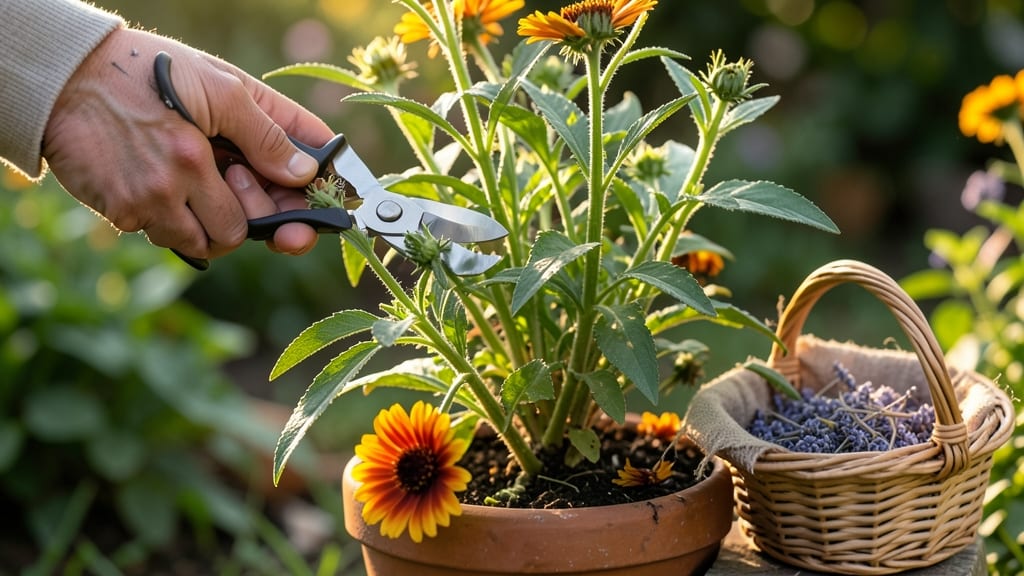
Harvesting calendula flowers at the right time ensures their vibrant petals stay bright and their medicinal potency stays high 🌼 — and missing that window means duller colors and weaker healing properties.
You’ve spent weeks nurturing your calendula plants, and now the question is: when exactly should you cut those golden blooms? The answer isn’t just about the calendar—it’s about the petals’ color, the stem’s firmness, and even the time of day.
Too early, and the flowers won’t have developed their full flavor and dye potential. Too late, and they’ll turn brown, losing their beauty and therapeutic benefits. Below, I’ll walk you through the visual cues and environmental factors that guarantee you pick calendula at peak freshness.
Whether you’re drying them for salves, steeping them into tea, or using them for natural dyes, timing your harvest makes all the difference. Let’s dive into the exact signs to watch for.


Calendula petal color shifts: the science behind harvest timing
Calendula flowers undergo a spectacular color transformation from green buds to their signature orange-yellow blooms, and this shift isn’t just visually stunning—it’s your harvest readiness signal.
The 24-48 hour window between full petal opening and color peak determines whether your calendula reaches its maximum medicinal potency and vibrant dye quality.
Sunlight exposure plays a critical role in this process. Full sun (6+ hours daily) accelerates the color shift, while partial shade can delay it by 2-3 days. Understanding these changes helps you harvest at the perfect moment—before the petals start browning or the center turns dull.
Here’s how to decode the color timeline and harvest cues for calendula flowers:
| Stage | Petal Color | Harvest Readiness | Action |
|---|---|---|---|
| Bud Stage | Green | Not ready | Wait 3-5 days |
| Early Bloom | Yellow-green | Nearly ready | Check daily |
| Peak Color | Bright orange-yellow | Optimal harvest | Harvest immediately |
| Late Stage | Brown edges | Past prime | Avoid harvest |
The bright orange-yellow center is your key harvest indicator. When the petals are fully flat and open, but before they develop brown tips, the flower’s essential oils and carotenoids are at their peak. This 24-48 hour window is when calendula’s anti-inflammatory compounds are most concentrated.
Sunlight intensity also speeds up the process. Plants in full sun may reach harvest readiness 2-3 days faster than those in partial shade. If you notice buds opening slower in shaded areas, consider relocating containers or pruning nearby plants to improve light exposure.
Harvesting too early means lower potency for teas and fainter dyes, while waiting too long results in brittle petals that crumble when dried. The stem should snap cleanly near the base—if it resists, the flower isn’t fully mature yet.
For culinary uses, this precise timing ensures the best flavor profile.
Pro tip: Harvest in the morning after dew has dried but before midday heat sets in. This preserves moisture content and prevents wilting. Store harvested flowers in a paper bag in a cool, dark place for up to 3 days before drying to maintain their vibrant color and potency.
For medicinal or dye purposes, the color shift is even more critical. The deeper the orange-yellow hue, the higher the carotenoid content, which is essential for skin-healing salves and natural dyes.
If you’re growing calendula for culinary uses, like in salads, harvest when the petals are fully open but still crisp.
Remember, consistent sunlight and proper watering set the stage for this color transformation. If your calendula isn’t shifting colors as expected, check for nutrient deficiencies (like low nitrogen) or pests that may be stressing the plant. A balanced fertilizer applied in early summer can help maintain vibrant blooms.
By mastering the petal color shifts and harvest timing, you’ll ensure your calendula delivers maximum benefits—whether you’re crafting homemade remedies, natural dyes, or gourmet garnishes. The science behind the color isn’t just fascinating—it’s your secret weapon for a bountiful harvest. 🌼
Best time of day and weather conditions for harvesting
Harvesting calendula at the right time of day and under ideal weather conditions makes all the difference in preserving vibrant petal color and essential oil potency.
The cool morning hours (between 6-9 AM) are my top recommendation for harvesting, as this minimizes moisture loss and keeps petals crisp for drying or fresh use.
Dew-covered petals might seem tempting to harvest, but morning dew can dilute essential oil concentrations and encourage mold growth. Always let dew evaporate naturally before collecting—this usually takes 30-60 minutes depending on humidity levels in your climate.
⚠️ CALL OUT - WARNING ⚠️
⚠️ Avoid These Harvesting Mistakes
✅ DO harvest in mild temperatures (60-75°F) to prevent wilting
❌ DON'T harvest after midday heat (petals lose moisture and essential oils)
✅ DO collect on dry, cloudy days to preserve color intensity
❌ DON'T harvest during high humidity (increases fungal risk)
Afternoon harvesting (after 3 PM) should be avoided unless absolutely necessary, as high temperatures cause petals to wilt quickly. If you must harvest later in the day, work with closed umbrellas to create shade and collect flowers immediately into breathable containers.
Humidity plays a critical role in calendula's essential oil content. Research shows that low-humidity conditions (below 50%) preserve up to 30% more volatile oils compared to humid days. Check your local weather forecast for relative humidity readings before planning your harvest.
For culinary or medicinal uses, always harvest calendula flowers when they're fully open but before the petals begin browning. The bright orange-yellow center is your best indicator of peak potency. Store harvested flowers in paper bags (not plastic) to allow airflow and prevent mold.
Pro tip: If you're harvesting for dye production, morning harvests yield the most vibrant colors. The anthocyanin pigments responsible for calendula's orange hues are most concentrated in freshly opened petals.