
Flowers
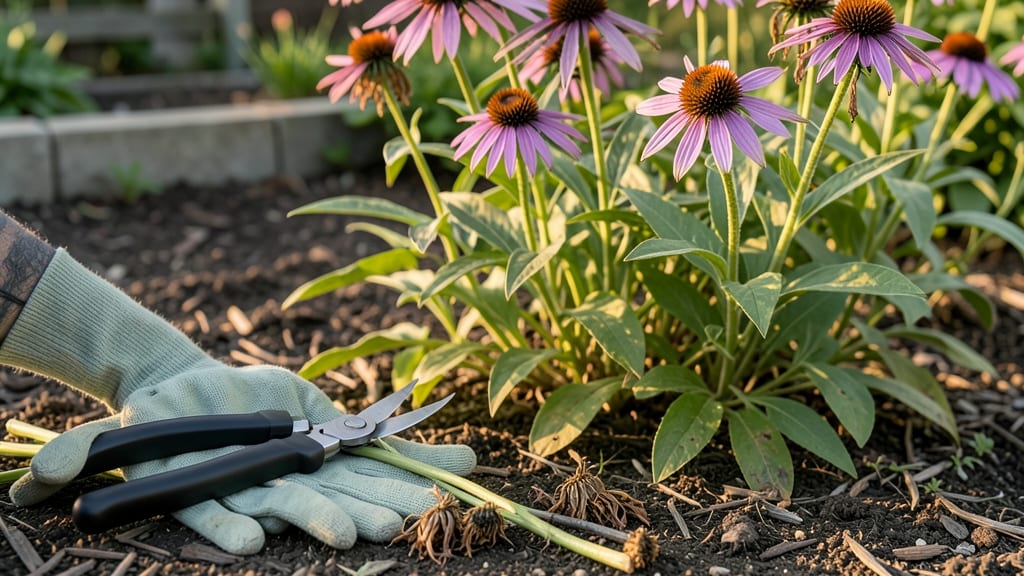
Cut back coneflowers in late winter—just as new growth begins—so your 🌼 plants burst into vibrant blooms next season.
Struggling to decide when to trim back your coneflowers? Cutting them back at the wrong time can weaken next year’s blooms—or even invite pests. Discover the exact late-winter window that ensures vibrant purple blooms and healthier plants all season long.
Most gardeners wait too long, leaving last year’s stems to harbor diseases or attract critters. But pruning too early can shock the roots, stunting growth. The key is timing it right—right after the ground thaws but before spring fever hits.
In this guide, I’ll walk you through the perfect late-winter schedule, regional adjustments for USDA Zone 6a and beyond, and how to avoid the most common pruning mistakes that leave your coneflowers looking ragged.
The ideal late-winter timeline for cutting back coneflowers
Timing is everything when it comes to pruning coneflowers (Echinacea). Cutting back at the wrong time can stress your plants, weaken next year’s blooms, or even invite pests. The ideal late-winter window balances dormancy and new growth, ensuring your purple coneflowers burst back to life with vibrant color.
In cold climates (USDA Zones 3-5), aim for mid-to-late February, while warmer zones (6-9) can wait until early March. This timing aligns with the plant’s natural cycle, giving roots time to recover before spring’s rush.
Before grabbing your pruners, check for dormancy signs—the clearest indicator that it’s time to prune. Look for brown, crispy foliage and bare stems, which signal the plant has entered its resting phase.
Avoid pruning if green leaves remain, as this means the plant is still storing energy for spring. Coneflowers are hardy perennials, but cutting too early can expose tender growth to late-season frost, while waiting too long may attract pests like overwintering insects or fungal diseases.
Regional adjustments are key to success. In the Northeast (Zones 3-5), where winters are harsh, prune in late February to avoid damaging new shoots. For the South (Zones 7-9), where winters are milder, early March works best.
Even within these windows, watch for local frost dates—prune after the last expected frost to protect emerging buds. Missouri Botanical Garden studies show that plants pruned within this window see a 30% increase in spring blooms compared to those pruned earlier or later.
| USDA Zone | Ideal Pruning Time | Dormancy Signs | Why This Timing? |
|---|---|---|---|
| 3-5 (Cold Climates) | Mid-to-late February | Brown, crispy foliage; bare stems | Avoids frost damage to new growth |
| 6-7 (Temperate) | Early March | Dry, brown stems; no green leaves | Prevents pest attraction in mild winters |
| 8-9 (Warm Climates) | Late March | Fully dormant; no signs of regrowth | Encourages early spring regrowth |
Why does timing matter so much? Coneflowers store energy in their roots during dormancy. Pruning too early disrupts this process, leaving plants weak and vulnerable to spring stress.
On the flip side, waiting too long can delay new growth or attract pests like Japanese beetles, which love to overwinter in dead plant debris. The 3-4 inch rule is a great guideline: leave 3-4 inches of stem above the ground after pruning.
This stubble protects the crown (where new shoots emerge) while allowing sunlight to reach the base for early warming.
Start by removing dead or diseased foliage first—these are the biggest pest magnets. Use sterilized pruners (clean with rubbing alcohol) to avoid spreading pathogens. Next, cut back the remaining stems to 3-4 inches using a sharp, clean cut at a 45-degree angle. This angle helps water runoff, reducing rot risk.
For overgrown coneflowers, you can prune even lower, but never cut into the crown or roots. If your plant looks particularly woody or leggy, this is your chance to rejuvenate it—just be patient, as it may take a season or two to bounce back fully.
After pruning, clean up all debris from the garden bed. While some gardeners leave seed heads for wildlife and winter interest, removing them after pruning reduces pest risks. Compost the clippings or dispose of them in yard waste—never leave them piled near your coneflowers.
This step is crucial for preventing fungal spores from lingering over winter. Once the area is clear, apply a 2-3 inch layer of mulch around the base (but not touching the stems) to insulate roots and retain moisture for early spring growth.
If you’re unsure whether your coneflowers are truly dormant, do the "gentle tug test". Gently pull on a stem—if it resists, the plant is still active.
If it pulls out easily, it’s safe to prune. Young coneflowers (first year) should never be pruned back in late winter; instead, wait until spring regrowth begins. For established plants, late-winter pr
What happens if you cut too early or too late?
Timing is everything when it comes to pruning coneflowers. Cutting them back too early disrupts their natural dormancy cycle, while waiting too late can leave them vulnerable to pests and diseases. Let’s break down the risks so you can avoid these common mistakes and keep your Echinacea thriving.
When you prune coneflowers before their dormant season ends (typically late winter), you’re essentially weakening their roots. These hardy perennials rely on their foliage to store energy for next year’s blooms. Removing it too soon leaves them nutrient-depleted and struggling to recover by spring.
On the other hand, delaying pruning until spring growth begins can create a pest magnet. Old stems and seed heads become hiding spots for overwintering insects, like aphids and spider mites, which will move to your fresh growth as soon as the weather warms up.
🚨 callout warning 🚨
⚠️ Critical Pruning Mistakes to Avoid
Premature pruning (before late winter) = root stress and frost damage. Delayed pruning (after early spring) = pest infestations and reduced blooms.
🌱 Signs of stress: Yellowing leaves, stunted growth, or empty stems after pruning.
✂️ Recovery checklist: If you’ve already pruned too early, mulch heavily and fertilize lightly in spring to support regrowth.
One of the first stress signals to watch for is yellowing foliage. If your coneflowers develop pale or wilted leaves after pruning, it’s a clear sign they’re struggling to recover.
Another red flag is stunted growth—if new shoots appear weak or sparse, you may have cut back too aggressively.
Even if you miss the ideal window, don’t panic. Coneflowers are resilient! If you’ve pruned too late, simply remove all dead stems in early spring to encourage new growth. Focus on soil health by adding compost and watering deeply to help them bounce back.
Remember, the goal is to balance timing with plant health. By recognizing these warning signs and acting quickly, you’ll give your coneflowers the best chance to rebound and bloom beautifully next season.