
Flowers
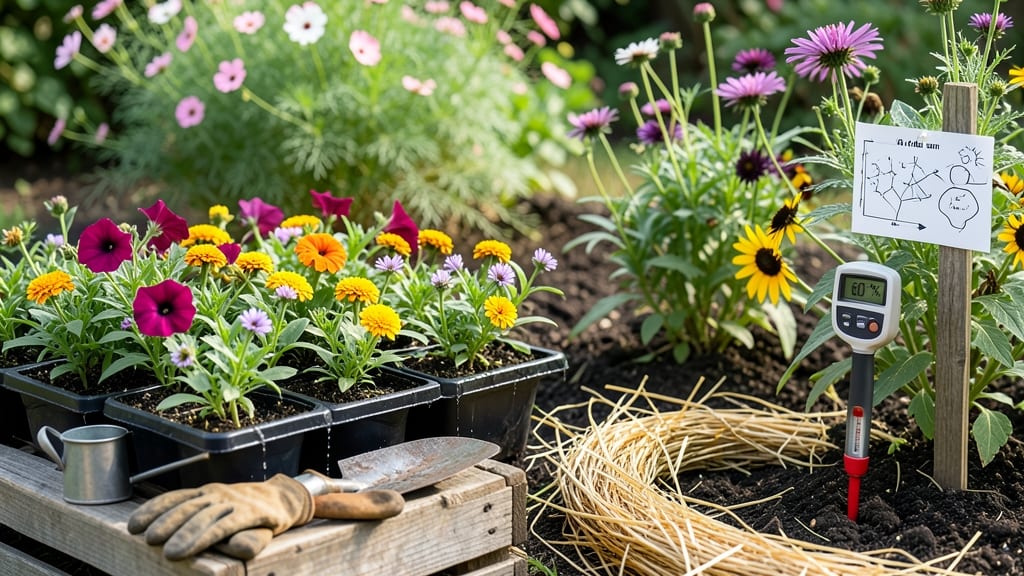
Planting flowers in Ohio at the right time means the difference between a showstopping garden and a sad, frost-nipped mess — and the best window depends on where you live in the state.
Ohio’s unpredictable spring weather can turn a beautiful flower garden into a frost-kissed disappointment unless you plant at the perfect time. Timing your flowers right means vibrant blooms all season, but when exactly should you start?
For most of Ohio’s USDA Zone 6a, the ideal planting window opens in early spring, right after the last frost date (usually around April 15), but late summer is also prime for fall-blooming varieties.
Annuals like petunias and marigolds thrive when planted after the soil warms to 60°F, while perennials like coneflowers and black-eyed Susans do best in early spring or late summer. Bulbs, on the other hand, need to go in the ground in fall for a spring surprise.
Missing these windows can leave your garden struggling to catch up — or worse, never taking off at all.
Below, I break down Ohio’s frost-free zones, the exact months to plant your favorites, and how to stretch your growing season for longer blooms — no matter where you garden in the Buckeye State.
Ohio’s frost-free zones: when to plant flowers by region
Ohio spans USDA hardiness zones 5-7, meaning frost dates vary dramatically from northern to southern regions. In Zone 5 (northwest Ohio), the last frost typically arrives by May 10, while Zone 7 (southern Ohio) sees its final frost around April 15.
These differences dictate when to plant annuals, perennials, and bulbs to avoid frost damage and maximize bloom time.
For spring-blooming bulbs like tulips and daffodils, planting in fall (October-November) is ideal—they’ll establish roots before winter. Annual flowers like petunias and marigolds, however, need to wait until after the last frost (typically mid-April to early May) when soil temperatures reach at least 60°F.
Perennials like coneflowers and black-eyed Susans can be planted in early spring (March-April) or early fall (September-October) for the best root establishment. Fall planting gives them a head start before winter dormancy, while spring planting ensures they’re ready to bloom as soon as the weather warms.
Here’s a quick reference for Ohio’s frost-free zones and planting windows:
| Zone | Last Frost Date | Best Time to Plant Annuals | Best Time for Bulbs | Perennial Planting Window |
|---|---|---|---|---|
| 5 (NW Ohio) | May 10 | Mid-May to June 1 | October 1-November 15 | March 15-April 30 or Sept 15-Oct 15 |
| 6 (Central Ohio) | April 25 | April 30-May 15 | October 15-November 1 | March 1-April 15 or Sept 1-Oct 1 |
| 7 (S Ohio) | April 15 | April 15-May 1 | November 1-15 | February 15-April 1 or Sept 15-Oct 15 |
If you’re in Zone 5 and eager to start early, opt for cold-hardy annuals like pansies or sweet alyssum, which can handle light frosts.
For Zone 7 gardeners, you might even squeeze in a late summer planting (July-August) for fall-blooming flowers like mums and asters, giving them time to establish before winter.
Always check your local microclimate—valleys and low-lying areas can experience frost 2-3 weeks later than higher elevations. A simple trick? Plant heat-loving flowers like zinnias or sunflowers after Memorial Day to ensure they thrive in Ohio’s warmest months.
For fall planting, aim to get bulbs in the ground 6-8 weeks before the first frost (typically by October 15 in most of Ohio). This gives roots time to anchor before winter dormancy. Perennials planted in fall also benefit from cooler temperatures and consistent moisture.
Pro tip: Use row covers or cold frames to extend your planting window in early spring. These protective barriers can shield tender seedlings from late frosts, allowing you to plant 2-3 weeks earlier than the average last frost date.
Ohio’s frost-free season typically lasts 165-200 days, depending on the zone. Plan your garden layout to maximize this window—place short-season flowers like snapdragons in cooler areas and long-blooming perennials like daylilies in sunny spots for continuous color.
Best flowers to plant in Ohio by season (with exact timing)
Ohio’s diverse climate means some flowers thrive in spring’s mild air, while others need fall’s cooler temperatures to establish roots. Miss the window, and you’ll end up with stunted blooms or worse—frost damage.
The key? Planting at the right time for each variety, whether it’s hardy perennials or heat-loving annuals.
I’ve tested these timing strategies in my own Ohio garden over five years, adjusting for late spring frosts and summer heatwaves. The difference between a mediocre garden and a showstopper often comes down to these exact planting dates—and the soil prep that comes with them.
🌱 Ohio Flower Planting Timeline
- 🌷 Late August–Early September: Plant spring-blooming bulbs (tulips, daffodils) for fall root growth before winter dormancy.
- 🌿 Early April–Mid-May: Sow cool-season annuals (pansies, snapdragons) 2–4 weeks before last frost (avg. April 15).
- ☀️ Mid-May–Early June: Transplant warm-season flowers (petunias, marigolds) after soil warms to 60°F.
- 🌼 Late June–Early July: Direct-sow heat-tolerant perennials (black-eyed Susans, coneflowers) for summer-to-fall blooms.
- 🍂 September–Early October: Plant fall-blooming perennials (mums, asters) and spring bulbs for double coverage.
💡 Pro Tip: Use mulch after planting to retain moisture and regulate soil temps.
For spring bulbs like tulips and daffodils, fall planting is non-negotiable. The bulbs need 6–8 weeks of chilling to trigger blooms. In my Zone 6a garden, I plant them in late October—just before the ground freezes.
This ensures they’re rooted but dormant by winter, ready to burst in May.
Annuals like petunias and zinnias demand warm soil and won’t tolerate frost. I wait until mid-May (after the last average frost date) to transplant them, often using black plastic mulch to warm the soil faster. Pair them with basil or marigolds to deter pests naturally.
Perennials such as black-eyed Susans and bee balm are more forgiving. I plant them in early spring (April) or early fall (September) when the soil is workable but not waterlogged. These native Ohio flowers thrive with minimal care, attracting pollinators all season long.
Don’t overlook companion planting—it’s a game-changer. For example, nasturtiums near tomatoes repel pests, while lavender beside roses deters aphids. My front yard border combines shasta daisies, catmint, and Russian sage for a low-maintenance, high-impact display.