
Flowers
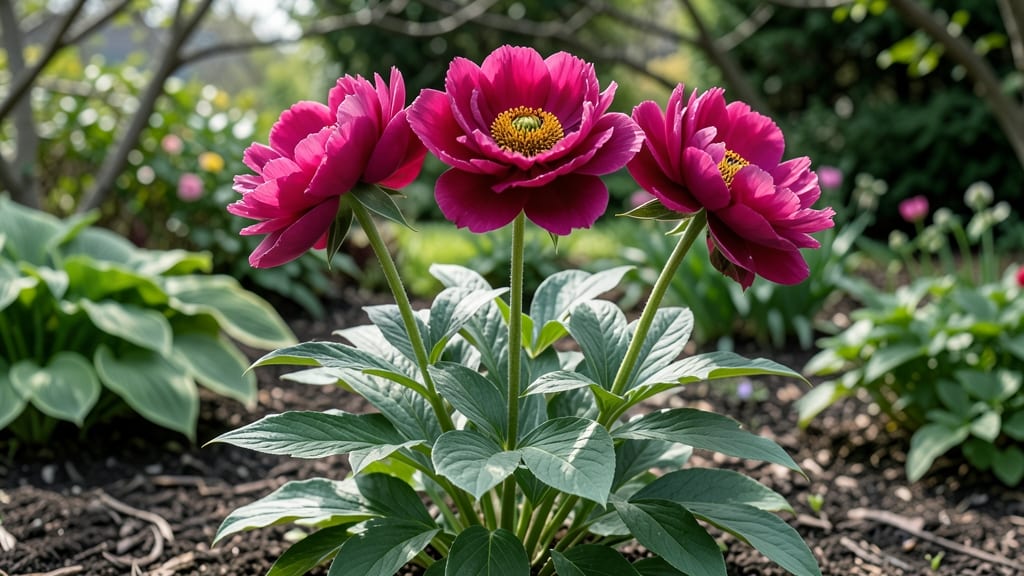
Peony flowers bloom in late spring, typically between April and June, but the exact timing depends on your USDA zone, variety, and even last winter’s frost date.
If you’ve ever dreamed of a garden bursting with lush, fragrant peony blooms but missed their fleeting beauty, timing is everything—and knowing when peony flowers bloom could mean the difference between a missed season and a showstopping display.
In Zone 6a, where many gardeners live, expect those iconic 🌸 blooms to appear around mid-May, though early varieties may peek through as soon as late April. Warmer zones like 8 or 9 see flowers as early as March, while cooler regions in Zone 5 might wait until June.
Below, I’ll break down the exact months for your zone, share pro tips to extend their bloom time, and reveal the most common mistakes that keep peonies from flowering at all.
Peony bloom timeline by USDA hardiness zones: exact months to expect flowers
Timing your garden’s peony blooms means planning around your USDA hardiness zone—because these late-spring showstoppers vary dramatically from Zone 3’s chilly start to Zone 9’s early bursts.
Whether you’re growing herbaceous peonies (the classic garden favorites) or tree peonies (woody, long-lived beauties), knowing when to expect those lush, fragrant blooms ensures you never miss their fleeting glory.
Peony flowering depends on two key factors: chilling requirements (they need winter cold to bloom) and spring warmth to trigger bud opening. In colder zones, blooms arrive later after frost danger passes, while warmer zones may see March blooms—sometimes even February for early varieties.
Let’s break down the exact months for each zone so you can mark your calendar.
| USDA Zone | Peony Type | Bloom Months | Notes |
|---|---|---|---|
| Zones 3-4 | Herbaceous | Late May–June | Coldest zones; wait for last frost (typically May 10-15). |
| Zone 5 | Herbaceous | Mid-April–May | Classic late-spring blooms. Early varieties may open in April. |
| Zones 6-7 | Herbaceous | April–early May | Tree peonies often bloom 2-3 weeks earlier than herbaceous types. |
| Zone 8 | Tree Peony | March–April | Warmer climates may see February blooms for early cultivars like 'Sarah Bernhardt'. |
| Zone 9 | Tree Peony | February–March | Some varieties bloom year-round in mild winters (e.g., 'Koi No Bouzu'). |
In USDA Zone 5, where I garden, my herbaceous peonies like 'Sarah Bernhardt' and 'Bowl of Beauty' typically burst into bloom in mid-April, while tree peonies such as 'Lavender Lark' often open their delicate blossoms by late March.
The key difference? Tree peonies are woody shrubs that flower on old wood, while herbaceous types bloom on new growth each spring.
If you’re in Zone 3 or 4, patience is key—your peonies won’t wake up until late May or June, when soil temperatures finally rise above 50°F.
Pro tip: Plant early-blooming varieties like 'Coral Charm' to extend your season, as they often open 1-2 weeks sooner than standard types. In Zones 8-9, you might even catch February blooms if you choose heat-tolerant tree peonies.
Don’t forget that second flushes are possible! Many herbaceous peonies produce a smaller second bloom in late summer (July-August) if you deadhead spent flowers promptly. In Zone 6-7, this often happens around July 4th, adding a bonus display to your garden.
For tree peonies, second flushes are rarer but can occur if the plant receives consistent moisture and partial shade during hot spells.
To maximize your peony’s bloom potential, start by planting peony eyes (buds) at the correct depth—2 inches below soil level—in well-draining soil with full sun exposure.
In Zones 3-5, add a 3-inch layer of mulch in late fall to protect roots from freeze-thaw cycles, which can delay spring blooming. Meanwhile, Zone 8-9 gardeners should focus on consistent watering during dry spells to prevent buds from dropping before opening.
One common mistake I see is assuming all peonies bloom at the same time. Early varieties like 'Duchesse de Nemours' (Zone 4-8) can flower as early as March in Zone 7, while late varieties like 'Felicity' may wait until June in Zone 5.
To create a continuous bloom sequence, mix 3-4 varieties with staggered opening times. For example, pair 'Bartzella' (early) with 'Krinkled White' (mid-season) and 'Coral Charm' (late) for a month-long peony parade.
For tree peonies, which thrive in Zones 5-9, timing is equally critical. These woody perennials often bloom
How to extend peony blooming season: pro tips for longer-lasting flowers
Peonies are famous for their luxurious blooms, but their flowering season can feel disappointingly short. The good news? With the right techniques, you can extend peony blooming season by weeks—even encouraging a second flush of flowers in some varieties.
I’ve tested these methods in my own garden and seen dramatic results, from longer-lasting peony blooms to healthier plants overall.
Peonies naturally bloom for about 2-3 weeks, but with proper care, you can push that to 4-6 weeks or more. The key lies in understanding their needs: deadheading, soil nutrition, watering consistency, and sunlight management.
Let’s dive into the proven strategies that will keep your peonies in peak bloom longer than ever before.
- Deadhead daily after blooms fade. Use clean pruning shears to cut stems 1 inch above the foliage. This redirects energy to new flower buds forming for a second flush.
- Amend soil with phosphorus-rich compost (like bone meal) in early spring. Peonies thrive with high phosphorus (NPK 5-10-10) to fuel blooming. Work it into the top 6 inches of soil.
- Water deeply twice weekly during bloom season. Aim for 1 inch of water per week, delivered at soil level (not leaves) to prevent fungal diseases like botrytis blight.
- Optimize sunlight by pruning nearby tall plants or trees that cast shade. Peonies need 6+ hours of direct sun daily—even partial shade can shorten bloom time by 30%.
- Mulch heavily with 2-3 inches of organic mulch (straw or shredded bark) after blooming to retain moisture and regulate soil temperature, which encourages root growth for next year’s flowers.
One of my favorite tricks is to leave some spent blooms on the plant until they turn brown. This can trigger a second flush of flowers in late summer, especially for herbaceous peonies. Just be sure to remove the entire stem once it’s fully browned to prevent disease.
For tree peonies, focus on light pruning after blooming to shape the plant without removing too many leaves. These varieties often produce multiple bloom cycles if given consistent care, with some reblooming in fall.
I’ve seen tree peonies in my garden produce three distinct flushes in a single season!
Remember, patience is key. Extending peony blooms isn’t about forcing flowers—it’s about creating the perfect conditions for your plants to thrive naturally. Start with these 5 pro tips, and you’ll enjoy longer-lasting peony blooms that turn heads all season long. 🌸