
Planting
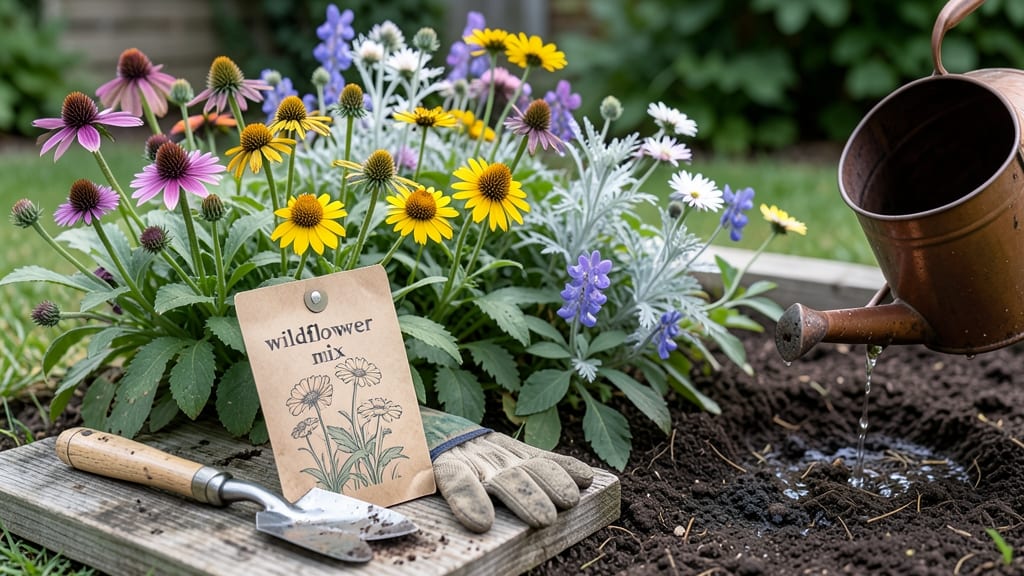
Planting wildflowers 🌼 in early spring or fall ensures fast blooms and a thriving pollinator haven—but timing is everything for those vibrant displays.
Picture this: You’ve chosen the perfect seed mix, cleared the soil, and can’t wait for your garden to burst into color. But if you plant too early, frost zaps your seedlings.
Too late, and summer arrives before the blooms even peek out. The right moment makes all the difference, and it depends on where you live.
In Zone 6a, like many temperate regions, the ideal window is 4-6 weeks before your last frost—typically late March to early April for spring plantings. But fall offers a second chance, too, with seeds sown in September or October germinating in cooler weather and establishing roots before winter.
Below, I’ll break down the best months for your zone, how to prep soil for fast germination, and even what to do if you missed the boat—because even late starters can still enjoy a wildflower wonderland.
Best planting months for wildflowers by USDA hardiness zone
Timing your wildflower planting by USDA hardiness zone ensures faster germination and vibrant blooms. Unlike vegetables, wildflowers thrive when sown at specific soil temperatures, typically between 50°F and 75°F.
In Northern climates (Zones 3-5), early spring or fall planting works best, while Southern zones (6-9) can extend planting into late winter or early fall.
Annual wildflowers like cosmos and zinnia need warm soil, so wait until after your last frost date. Perennials like black-eyed Susan or coneflower can handle cooler soil, making fall planting ideal for zones 4-7.
Always check your local frost dates—planting too early risks seed rot, while late planting delays blooms.
Here’s your zone-by-zone planting guide, including soil temperature tips and seasonal exceptions for Southern vs. Northern gardens:
| USDA Zone | Best Planting Months | Soil Temp Range | Seasonal Notes |
|---|---|---|---|
| Zones 3-4 | April–May (spring) or September (fall) | 50°F–60°F (spring) / 60°F–70°F (fall) | Wait for soil to thaw; fall planting avoids summer drought. |
| Zones 5-6 | March–April (spring) or August–September (fall) | 55°F–65°F (spring) / 65°F–75°F (fall) | Spring: plant after last frost. Fall: 6–8 weeks before frost. |
| Zones 7-8 | February–March (spring) or September–October (fall) | 60°F–70°F (spring) / 70°F–78°F (fall) | Southern zones can plant earlier; avoid summer heat stress. |
| Zones 9-10 | January–February (winter) or October–November (fall) | 65°F–75°F (winter) / 75°F–80°F (fall) | Winter planting works; irrigate lightly to prevent drying. |
🌱 Pro Tip: Use a soil thermometer to confirm temps before planting!
In Zones 3-5, focus on fall planting for perennials like purple coneflower—they establish roots before winter and bloom earlier. For annuals, prioritize spring planting after soil warms to 60°F to avoid fungal diseases.
In Southern zones (7-10), winter planting is ideal for drought-tolerant species like blanket flower or Mexican sunflower.
Regional exceptions matter! In Pacific Northwest zones (6-7), plant in late winter to avoid wet spring soils. Meanwhile, Southwestern zones (8-10) can sow seeds year-round, but summer planting requires extra water to prevent seed desiccation.
Always match your wildflower mix to your climate—cool-season blends thrive in Northern zones, while heat-loving mixes suit Southern gardens.
Soil preparation is key: Loosen the top 2–3 inches of soil and remove weeds to reduce competition. For clay-heavy soils, mix in compost or sand to improve drainage. Sandy soils benefit from a thin layer of mulch to retain moisture.
Avoid over-fertilizing—wildflowers prefer low-nutrient conditions and bloom more prolifically without excess nitrogen.
If you miss the ideal window, don’t panic! Late-summer planting (July–August) still works for fast-blooming annuals like cosmos, which germinate quickly in warm soil. Just water consistently until roots establish. For perennials, late planting may delay first-year blooms, but second-year flowers will be even more abundant.
Remember: Pollinators rely on timely blooms! Planting at the right time ensures bees, butterflies, and hummingbirds have food from early spring to fall. Use native wildflower mixes for maximum pollinator support—these species have co-evolved with local wildlife for optimal nutrition and timing.
For a showstopping display, stagger plantings every 2–3 weeks in spring or fall. This creates continuous blooms instead of a single peak.
And if you’re unsure about your zone, check the USDA Plant Hardiness Zone Map and adjust by 1–2 weeks based on your microclimate (e.g., urban areas may be 1–2°F warmer than rural zones).
With the right timing, your wildflower garden will burst into color in as little as 6–8 weeks! Start planning now—your pollinators (and your neighbors) will thank you. 🌼
How to time wildflower planting for fast blooms in 3 simple steps
Timing is everything when planting wildflowers—get it right, and you’ll see blooms as early as 6-8 weeks after sowing. The key lies in matching your local climate with the right seed mix and soil prep.
Whether you’re in a cool northern zone or a warm southern region, these steps ensure your wildflowers burst into color without the wait.
Most gardeners make one of two mistakes: planting too early when the soil is still cold, or waiting until summer when seeds dry out before germination.
Both approaches can delay blooms by 4-6 weeks. Instead, focus on these three proven steps to jumpstart growth and attract pollinators faster than ever.
🌱 Step 1: Prep Soil 4-6 Weeks Before Planting
- Test soil pH (aim for 6.0-7.0).
- Remove weeds and loosen top 4-6 inches of soil.
- Add compost (1-2 inches) for nutrients.
🌿 Step 2: Choose the Right Seed Mix & Planting Time
- Spring plantings: Use cool-season mixes (e.g., bluebonnets, poppies) in March-April.
- Fall plantings: Opt for warm-season varieties (e.g., black-eyed Susans, coneflowers) in September-October.
- Avoid summer planting—seeds need consistent moisture to sprout.
💧 Step 3: Water & Maintain for Fast Germination
- Water daily for 2-3 weeks until sprouts appear.
- Keep soil moist (not soggy) with 1/4-inch water per week.
- Thin seedlings to 6-12 inches apart once they’re 2-3 inches tall.
After planting, resist the urge to fertilize heavily—wildflowers thrive in low-nutrient soil and often bloom better with minimal interference. Instead, focus on consistent watering and weed control during the first 8 weeks to give your wildflowers the best start.
Pro tip: If you’re in a dry climate, mulch lightly with straw to retain moisture without smothering seeds. This trick cuts down on watering by 30% while keeping the soil cool for faster germination.
With these steps, you’ll see your first wildflowers popping up in as little as 3-4 weeks, and full blooms by summer’s peak. The secret? Timing, patience, and letting nature do most of the work—just give them the right conditions to shine.