
Flowers
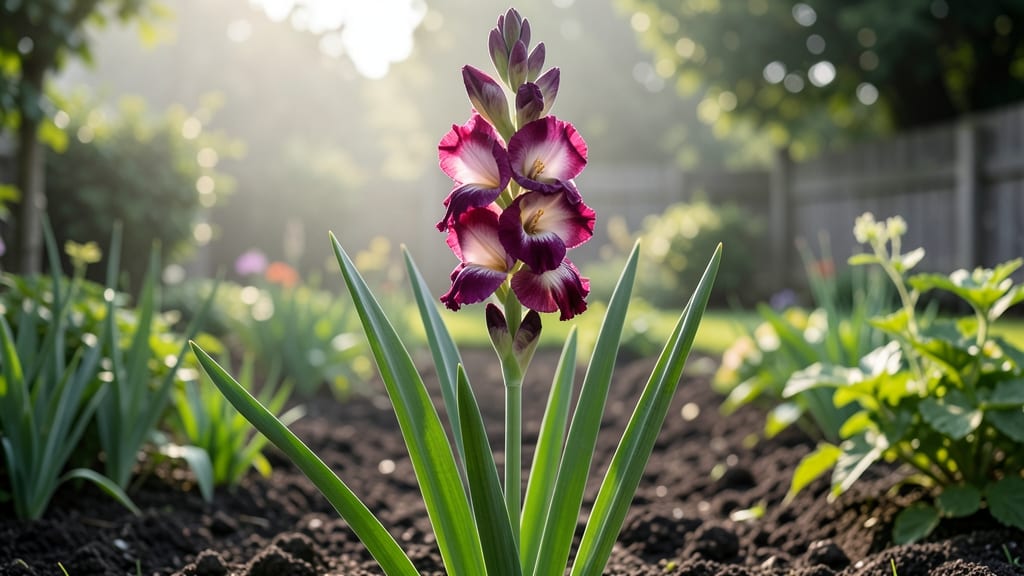
Gladioli flower between July and September in most regions, turning your garden into a vibrant summer spectacle 🌷 — but timing depends on where you live and when you planted those corms.
Picture this: you’ve spent weeks waiting, and then—just as the heat peaks—your gladioli burst into bold, spiky blooms, stealing the show from every other flower in the yard. But miss the planting window, and you might end up with floppy stems or no flowers at all.
In USDA Zone 6a (like much of the Midwest), gladioli typically bloom from mid-July through early September, while warmer zones like Zone 8 can expect flowers as early as June or as late as October.
The key? Planting in April or May after the last frost ensures you catch that sweet spot.
Below, I’ll break down the exact months to expect blooms in your zone, how to adjust planting for earlier or later displays, and the three biggest mistakes that delay—or even kill—your gladioli’s flowering season.
Gladioli blooming timeline by US planting zones: exact months to expect flowers
Timing is everything when growing gladioli, and knowing your USDA hardiness zone lets you predict those show-stopping blooms with precision. These late-summer stars thrive in zones 3 through 9, but their flowering windows shift dramatically depending on where you garden.
In my Zone 6a garden, I've learned that planting just 2 weeks earlier can shift blooms from August to July—making all the difference for garden parties or wedding bouquets.
Gladioli are frost-sensitive perennials that bloom on new growth, so their timing depends on when you plant corms (their bulb-like storage organs) and your local last-frost date. The earliest blooms appear in Zone 9 as early as June, while Zone 3 gardeners typically wait until mid-August.
This zone-by-zone guide will help you plan for peak bloom periods and adjust planting times to extend your gladiolus season.
Pro Tip: Use the USDA Plant Hardiness Zone Map to find your zone, then reference the table below for exact bloom windows. For earlier flowers, try fall planting in mild-winter zones (7-9), while northern gardeners should stick to spring planting after frost danger passes.
In Zone 5-6, where I garden, I've found that planting early May gives me July-August blooms, perfect for filling that late-summer color gap. The key is to plant corms when soil temps hit 60°F—this triggers root growth before frost can damage emerging shoots.
For Zone 9 gardeners, fall planting in September often yields June flowers, beating the summer heat.
Gladioli are day-length sensitive, meaning their blooming triggers are tied to photoperiod. In northern zones, shorter days delay blooming until August, while southern zones experience earlier triggers.
To push blooms earlier in cooler zones, try staggered plantings every 2 weeks from April through May. This creates a continuous display from July through September.
Watch for frost warnings after your first blooms appear. Gladioli can tolerate light frosts (28°F) but may suffer bud damage below 25°F. In my Zone 6a garden, I always have row covers ready to protect late blooms in October.
For extended displays, choose early varieties like 'Green Gables' (Zone 3-9) alongside late varieties like 'Black Star' (Zone 7-10).
Soil temperature plays a critical role in bloom timing. Use a soil thermometer to confirm 60°F+ before planting. In Zone 4, I've seen 3-week delays in blooming when planting too early into cold soil.
For container growing, use black plastic pots to warm soil faster in cooler zones. This simple trick can shift blooms 2-3 weeks earlier.
Remember that gladiolus corms are not frost-hardy—they'll die in freezing ground. In Zone 3-5, treat them as annuals and dig them up after first frost.
In Zone 6-9, they may re-bloom yearly if protected. My Zone 6a corms have reliably returned for 3 years when left in well-drained soil with mulch protection
How to time gladioli planting for perfect summer blooms: a step-by-step guide
Timing your gladioli planting correctly ensures vibrant blooms from mid-summer to early fall. Unlike many flowers, gladioli thrive when planted either in early spring or late summer, depending on your USDA zone.
The key is understanding your soil temperature triggers—gladioli corms need the ground to warm to 60°F (15°C) before planting. In cooler zones, this means waiting until after your last frost date, while warmer zones can start earlier.
For gardeners in zones 3-5, I recommend planting corms in late April to early May when soil temperatures consistently reach 60°F (15°C). In zones 6-9, you have flexibility: plant in early spring (March-April) for summer blooms or late summer (August-September) for fall displays.
The latter method extends your flowering season and avoids competition with spring-planted bulbs for nutrients.
🌱 Step-by-Step Gladioli Planting Timeline
-
Step 1: Choose Your Planting Window
Spring (Zones 3-9): 2-4 weeks after last frost | Fall (Zones 6-9): 8-10 weeks before first frost -
Step 2: Test Soil Temperature
Use a soil thermometer—plant when soil reaches 60°F (15°C) at 4" depth -
Step 3: Prepare Planting Site
Choose full sun (6+ hours) with well-draining soil. Amend with compost for nutrient-rich beds -
Step 4: Plant Corms Correctly
Dig holes 4-6 inches deep, spacing corms 4-6 inches apart. Point the pointy end up! -
Step 5: Water & Mulch
Water deeply after planting, then mulch with 2-3 inches of straw to retain moisture -
Step 6: Fertilize for Blooms
Apply balanced fertilizer (10-10-10) when shoots are 4-6 inches tall, then again at half-height -
Step 7: Stagger Plantings for Extended Blooms
Plant new corms every 2 weeks in spring for continuous blooms through fall
If your gladioli bloom too early (before July), it’s often due to planting too early in warm zones or using early-blooming varieties like 'Green Star' or 'Picasso'. For later blooms, opt for late-season varieties such as 'Black Star' or 'White Friendship', which typically flower in August-September.
In zones 3-5, you might need to use a cold frame or plant in containers for earlier starts.
Troubleshooting late blooms involves checking three key factors: soil fertility, water consistency, and sunlight exposure. If your gladioli are tall but no flowers appear, they may need less nitrogen and more phosphorus.
Switch to a low-nitrogen fertilizer (5-10-10) to encourage flowering. Also, ensure they receive at least 6 hours of direct sun daily—partial shade can delay blooming by 2-4 weeks.
For container gardeners, timing is even more critical. Plant corms in large pots (12+ inches deep) and place them outside only after soil temperatures stabilize above 60°F (15°C). Move containers to a protected location if frost threatens, as gladioli corms are not frost-tolerant.
With the right timing, you’ll enjoy cut flowers for 6-8 weeks, making gladioli a cutting garden staple.
Remember, the secret to perfect summer gladioli lies in soil warmth, consistent moisture, and staggered plantings. By following these steps, you’ll transform your garden into a late-summer paradise of sword-like blooms that last well into fall. 🌷