
Blooming
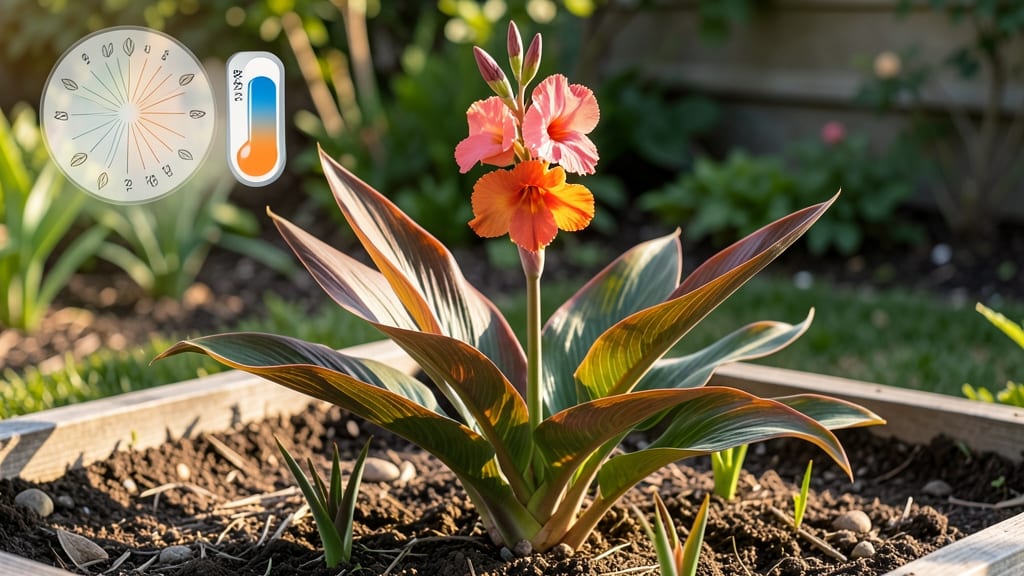
Cannas flower in mid-to-late summer 🌺, but the exact timing depends on your climate zone and how you care for them.
If you’ve ever wondered why your cannas refuse to bloom despite their lush foliage, timing is everything—these tropical beauties follow strict seasonal cues based on your hardiness zone.
In warmer regions like Zone 9, you might see vibrant blooms as early as June, while in cooler areas like Zone 6a, they’ll wait until August or even September. The key is understanding how sunlight, soil, and temperature work together to trigger those stunning flowers.
Below, I’ll break down the month-by-month blooming schedule for your zone, plus the simple adjustments you can make to encourage earlier—and more abundant—blooms all season long.
Cannas flowering timeline by USDA hardiness zones: month-by-month guide
Cannas are tropical showstoppers that thrive in warm climates, but their flowering timeline shifts dramatically depending on your USDA hardiness zone. In Zone 7, blooms may arrive late due to cooler springs, while Zone 10 gardeners enjoy extended summer displays.
Understanding these patterns helps you plan for peak bloom periods and adjust care accordingly.
Most cannas need 60-90 days of warm soil temperatures (65°F+) before producing buds. This means Zone 8-9 gardeners often see flowers by early June, while Zone 10-11 can enjoy blooms as early as May.
Let’s break down the month-by-month expectations for each zone to help you set realistic blooming goals.
Pro Tip: Use black plastic mulch in cooler zones (Zone 7-8) to warm soil faster and trigger earlier blooms.
| USDA Zone | Early Blooms | Peak Blooms | Late Blooms | Notes |
|---|---|---|---|---|
| Zone 7 | Late June | July-August | Early September | Slow start; use mulch for warmth |
| Zone 8 | Early June | June-August | Late September | Longer season; deadhead for repeats |
| Zone 9 | Mid-May | June-September | October | Early bloomers; frost-sensitive |
| Zone 10 | Late April | May-October | November | Year-round potential with care |
| Zone 11 | March-April | April-December | January (mild) | Near-continuous blooms |
In Zone 7, cannas often play catch-up due to cooler springs. Plant tubers 2-3 weeks earlier than recommended to jumpstart growth. Zone 8-9 gardeners enjoy the longest peak bloom periods, with some varieties like 'Striped' cannas lasting until early frost.
For Zone 10-11, blooms can stretch into fall and even winter with minimal care.
If your cannas bloom late, check for shade issues or overcrowded tubers. Divide clumps every 3-4 years to restore vigor and encourage earlier flowering. In Zone 7, consider overwintering tubers indoors under grow lights to extend the season next year.
For late bloomers, focus on deadheading spent blooms to redirect energy into new flowers. In Zone 10, where blooms can continue into fall, reduce watering slightly in September to trigger dormancy and prepare for winter.
Remember, soil temperature matters more than air temperature. Use a soil thermometer to confirm 65°F+ before planting tubers. In Zone 7, wait until mid-May for best results, while Zone 11 gardeners can plant as early as February.
🌺
5 Key factors that delay or advance canna flowering (and how to fix them)
Your cannas might have stunning foliage but refuse to bloom because they're waiting for the perfect conditions. These tropical plants rely on specific environmental cues to trigger flowering, and even small adjustments can shift your blooming timeline by weeks.
Understanding these 5 key factors will help you troubleshoot why your cannas are holding back—and how to encourage those vibrant blooms you're craving.
First, let's address the most common misconception: cannas need warmth to flower, but not just any warmth. They require consistent temperatures above 70°F (21°C) for at least 6-8 weeks before they'll even consider blooming.
In cooler zones, this often means waiting until mid-to-late summer before you'll see those first flower spikes. The good news? With the right adjustments, you can coax blooms earlier—or extend their season significantly.
- 1 Light Exposure: Cannas need 6+ hours of direct sunlight daily. Too little light = all foliage, no flowers. Fix: Move plants to sunnier spots or supplement with grow lights.
- 2 Temperature Consistency: Fluctuations below 65°F (18°C) delay blooming. Fix: Use black plastic mulch to warm soil or plant in microclimates (like near south-facing walls).
- 3 Soil Nutrients: Low phosphorus (P) = fewer blooms. Fix: Use a 10-10-10 fertilizer every 4-6 weeks during growing season, or add bone meal at planting.
- 4 Planting Depth: Tubers planted too shallow (2 inches deep) may struggle to establish roots. Fix: Bury rhizomes 3-4 inches deep for optimal root development.
- 5 Pruning Technique: Over-pruning removes next year's flower buds. Fix: Only trim dead or damaged leaves—never cut back more than 1/3 of the plant at once.
One of the most overlooked factors is how you handle your cannas after their first bloom. Many gardeners make the mistake of cutting back plants too aggressively after flowering, which removes the energy reserves needed for next year's blooms.
Instead, allow the foliage to die back naturally in fall, then cut back to 6 inches tall before the first frost. This preserves the rhizomes' stored energy for a stronger, earlier bloom next season.
For gardeners in cooler climates (Zones 7-8), consider using black plastic mulch to warm the soil by 5-10°F. This simple trick can advance your blooming window by 2-3 weeks, giving you vibrant cannas from early July instead of August.
Just remember to remove the mulch in late summer to prevent overheating when temperatures rise. The key is balance—your cannas need warmth to flower, but they'll also appreciate some afternoon shade in the hottest months.
Finally, don't underestimate the power of patience with young canna plants. First-year cannas often focus all their energy on establishing strong rhizomes rather than flowering. If your plants are less than 2 years old, they may not bloom at all—this is completely normal!
Wait until they're established before expecting those showstopping blooms. With the right conditions, your second-year cannas will reward you with taller stalks and more abundant flowers than you've ever seen.