
Flowers
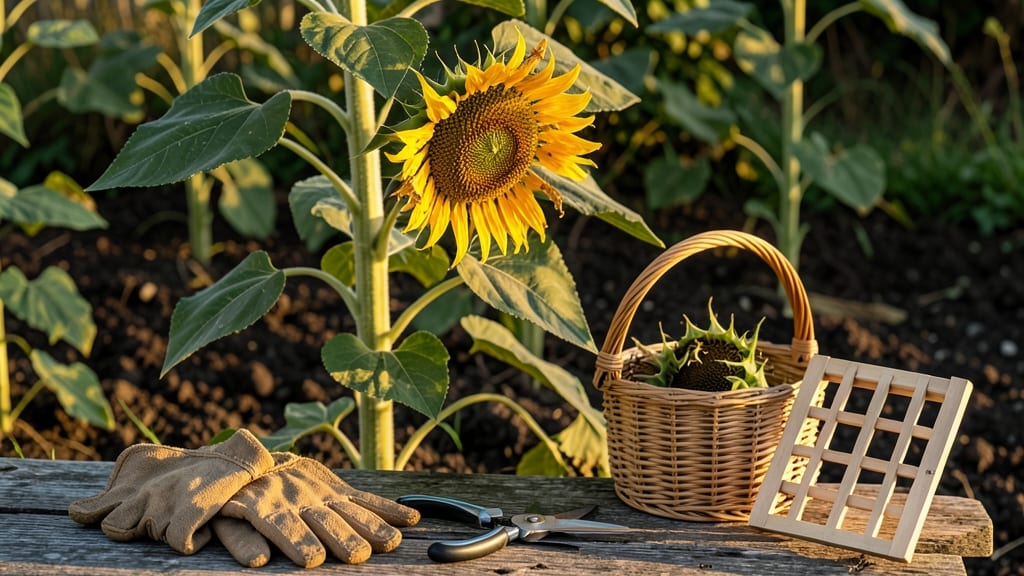
Sunflowers are ready to harvest when their seed heads turn brown and the petals begin to wilt—usually between July and September in most growing zones.
Picture this: you’ve nurtured your 🌻 sunflowers all season, and now the moment of truth arrives. One wrong move, and you could end up with bitter seeds or wasted effort.
But with the right cues—like the back of the flower turning fully brown or seeds rattling when shaken—you’ll know exactly when to pick for the best flavor and texture.
Harvesting at the right time isn’t just about taste—it’s about preserving the seeds for storage or cooking. Too early, and they’ll be underdeveloped; too late, and they’ll lose quality.
Below, I’ll walk you through the 5 key signs that confirm your sunflowers are perfectly ripe, plus tips to store them for months.
Whether you’re growing sunflowers for bird feed, cooking, or just the joy of watching them bloom, timing your harvest correctly ensures you get the most out of your hard work. Let’s dive into what to look for so you never miss the window again.


5 Visual signs sunflowers are perfectly ripe for harvesting
Sunflowers aren’t just stunning garden stars—they’re edible powerhouses when harvested at the right time. But overlooking subtle cues can turn sweet seeds into bitter disappointments. The key lies in five unmistakable visual signals that scream "harvest now!" before the birds or weather beat you to it.
Most gardeners focus on the flower petals, but the real magic happens on the back of the seed head. That’s where the color transformation and texture changes reveal whether your seeds are ready for the kitchen—or the bird feeder.
Let’s break down what to watch for, starting with the most obvious (and often ignored) clues.
🌻 5 Visual Signs Your Sunflowers Are Ready
-
1. Brown Back
The center disk turns from green to deep brown. This means seeds are fully mature. -
2. Wilted Petals
Yellow petals droop and curl inward—nature’s way of signaling harvest time. -
3. Heavy Head
The seed head feels dense when lifted—proof seeds are plump and dry to the touch. -
4. Rattle Test
Shake the head—if seeds rattle loudly, they’re ready. A dull thud means they’re still moist. -
5. Leaf Yellowing
Lower leaves turn yellow and crisp as nutrients shift to the seed head.
Pro Tip: For oil-type sunflowers, harvest when the back is fully brown. For confection varieties, wait until the back is light tan.
Let’s start with the most obvious clue: the flower petals. When they begin to droop and turn brown, it’s your first warning that the seeds inside are maturing. But here’s the catch—don’t wait until the petals fall completely.
By then, the seeds may have already started to sprout or attract pests like squirrels and birds. Aim to harvest when about 70-80% of the petals have wilted.
The back of the sunflower head is where the real action happens. When it transitions from green to deep brown, that’s your golden ticket to harvest time. This color change signals that the seeds inside are fully mature and ready to be eaten or stored.
For confection sunflowers (like those used for snacking), wait until the back turns a light tan color—this ensures the seeds stay sweet and crunchy.
Here’s a trick I swear by: the rattle test. Gently shake the sunflower head—if you hear a loud rattling sound, the seeds are dry and ready. A dull thud means they’re still too moist and need more time.
This test is especially useful for tall varieties where checking the back is tricky without a ladder. Pro tip: Do this test in the morning when dew isn’t affecting the sound.
Don’t ignore the leaves either. As the sunflower matures, it redirects nutrients from the lower leaves to the seed head. This causes the leaves to turn yellow and crisp. If you see this happening while the petals are still slightly wilted, your sunflowers are nearing peak ripeness.
It’s a subtle but reliable sign that the seeds are almost ready for harvest.
Timing matters too. In most USDA zones 3-9, sunflowers typically reach harvest readiness between late July and early September. However, if you’re growing early-maturing varieties (like ‘Teddy Bear’), you might harvest as early as mid-July.
Keep an eye on your local first frost date—if harvest isn’t done before frost, the seeds may not dry properly, leading to mold or spoilage.
One common mistake I see is harvesting based solely on flower color. While wilted petals are a great indicator, they’re not the only factor. For example, a sunflower with brown petals but a green back isn’t ready—those seeds will be bitter and underdeveloped.
Always check the back of the flower first, then confirm with the rattle test or leaf changes.
If you’re growing sunflowers for seed oil, harvest when the back is deep brown and dry. For confection seeds, wait until the back turns light tan—this ensures they stay sweet and crisp. Once you’ve confirmed all five signs, it’s time to harvest!
Use a sharp pair of pruners or shears to cut the stem, leaving a few inches below the flower head. Hang them upside down in a dry, well-ventilated area for 1-2 weeks to fully dry.
Remember, sunflowers are annuals, so timing your harvest right ensures you get the most out of your garden. Whether you’re growing them for beauty, seeds, or bird feed, these five visual cues will help you know exactly when to pick.
And once you master the art of harvesting, you’ll be rewarded with a bounty of sweet, crunchy seeds or the satisfaction of a perfectly timed garden moment. 🌾
How to harvest sunflower seeds without losing quality
Once you've spotted your sunflowers at peak ripeness, the next step is harvesting them properly to preserve seed quality. Different varieties—like oil-type sunflowers for cooking or confectionery types for snacking—require slightly different handling, but the core principles remain the same.
Follow these steps to ensure your seeds stay fresh, flavorful, and free from pests or spoilage.
Timing your harvest correctly is just as important as drying and storing the seeds properly. If you harvest too early, the seeds won’t be fully developed, and if you wait too long, they may sprout or attract pests.
The key is acting at the right moment when the seed heads are fully browned but haven’t yet released their seeds naturally.
Step-by-Step Harvesting Guide
-
1Cut the seed heads using clean, sharp pruning shears or a knife. Leave a 2-3 inch stem attached to help with hanging during drying. Harvest on a dry, sunny day to minimize moisture.
-
2Remove petals and leaves by gently rubbing the seed head with your hands or using a soft brush. For confectionery varieties, avoid crushing the seeds. Discard any damaged or moldy heads immediately.
-
3Dry the seed heads in a well-ventilated area, away from direct sunlight. Hang them upside down using twine or place them on a wire rack in a dry, dark spot (like a garage or shed). This takes 1-2 weeks, depending on humidity.
-
4Test seed maturity by shaking the dried head. If seeds rattle loudly, they’re ready. For oil-type sunflowers, wait until the seeds turn completely black inside their shells. For confectionery types, harvest slightly earlier when seeds are still striped.
-
5Store seeds properly in an airtight container, like a glass jar or ziplock bag, in a cool, dark place. Add a silica gel packet to absorb moisture. Label with the harvest date—seeds stay viable for 1-2 years if stored correctly.
For oil-type sunflowers, like 'Mammoth' or 'Russian Giant,' you’ll want to wait until the seeds are fully mature and black inside their shells. These varieties are bred for high oil content, so patience pays off.
Meanwhile, confectionery sunflowers, such as 'Autumn Beauty' or 'Teddy Bear,' should be harvested when the seeds are still striped and slightly softer for that perfect snackable crunch.
If you’re unsure whether your seeds are ready, perform the float test: Drop a few seeds into a bowl of water. If they sink, they’re mature and ready for storage.
If they float, they need more time to dry on the plant. This simple trick saves you from harvesting too early and ensures your seeds are at their best.
Properly stored sunflower seeds make a fantastic addition to bird feeders, homemade granola, or even next year’s garden. With these steps, you’ll enjoy a bountiful harvest that keeps giving long after the flowers fade.