
Flowers
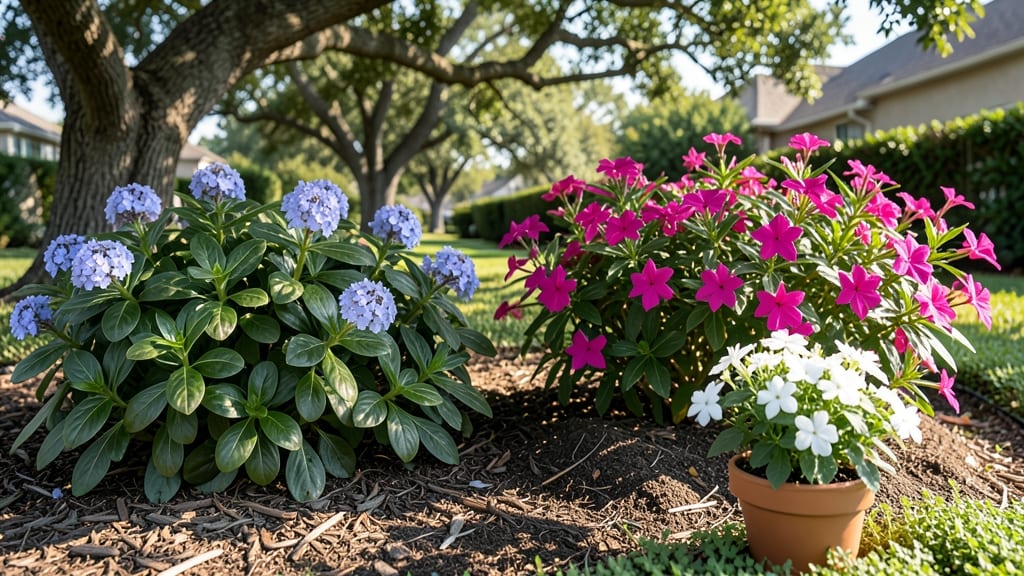
Vinca flowers thrive in sun or shade 🌸, making them the perfect low-maintenance choice for almost any garden spot.
Struggling to find a perennial that delivers vibrant blooms year-round with minimal fuss? Vinca flowers are the answer—whether you’re dealing with blazing afternoon sun or a shady corner that other plants avoid.
These hardy plants adapt effortlessly, but their performance depends on light exposure. Too much sun can fade their colors, while too little shade may reduce flowering. The key is understanding how each variety responds and adjusting care to keep them thriving.
In this guide, I’ll break down the best vinca types for sun vs. shade, soil tricks to boost blooms, and how to transition plants between light conditions without stress. Ready to grow vinca flowers that stay lush and colorful all season?
 Best Window Placement
Sun-loving vinca varieties that bloom nonstop all season
If you're dreaming of a garden bursting with nonstop color that thrives under the harshest sunlight, vinca varieties are your secret weapon. These sun-loving powerhouses deliver bold blooms from spring to frost while demanding minimal care.
Whether you're filling sunny borders, brightening container gardens, or creating a pollinator paradise, these sun-adapted vincas will deliver year-round performance with the right growing conditions.
The key to maximizing their continuous flowering lies in selecting the right cultivars and giving them well-draining soil with occasional pruning to encourage bushier growth. Unlike their shade-loving cousins, these sun-seeking vincas reward gardeners with vibrant hues that stand out against dry, sunny landscapes.
Let's explore the top-performing varieties that will transform your sunniest spots into nonstop bloom machines.
⚠️ CRITICAL INSIGHT: While vincas tolerate partial shade, their sunniest varieties need at least 6 hours of direct sunlight to produce their most abundant blooms. In hotter climates, morning sun with afternoon shade prevents leaf scorch while maintaining peak flowering. Let's dive into the best sun-loving cultivars and how to coax maximum performance from them.
| Variety | Sunlight Needs | Color Range | Mature Height | Bloom Time | Care Tips |
|---|---|---|---|---|---|
| Vinca major 'Illumination' | Full sun to partial shade (6+ hours sun) | White with yellow centers | 12-18 inches | Spring to frost | Deadhead regularly for continuous blooms |
| Vinca minor 'Lipstick' | Full sun to light shade (6+ hours sun) | Deep pink | 6-12 inches | Spring to fall | Prune after blooming to maintain shape |
| Vinca major 'Alba' | Full sun (best performance) | Pure white | 12-18 inches | Spring to frost | Well-draining soil prevents root rot |
| Vinca major 'Variegata' | Full sun to partial shade (4-6 hours sun) | Green with white edges | 12-18 inches | Spring to fall | Protect from afternoon sun in hot zones |
| Vinca major 'Plena' | Full sun (best blooms) | Double pink flowers | 12-18 inches | Spring to frost | Balanced fertilizer every 6 weeks |
My personal favorite for sunny borders is Vinca major 'Illumination', which produces bright white blooms with golden centers that catch every ray of sunlight. This heat-tolerant variety thrives in USDA zones 6-10 and becomes a pollinator magnet when planted in massed drifts.
The yellow centers provide a striking contrast that makes it stand out in sunny garden beds. For containers, I recommend Vinca minor 'Lipstick'—its deep pink flowers create a bold pop against terracotta pots.
To maximize nonstop blooms, I always deadhead spent flowers every 10-14 days during the growing season. This simple task removes seed pods that would otherwise divert energy away from new flower production.
Pair this with a light pruning after the first flush of blooms to encourage bushier growth. For soil prep, amending with compost and a slow-release fertilizer at planting time gives these sun-lovers the nutrients they need to thrive in hot conditions.
One common mistake I see is overwatering sunny vincas. While they're drought-tolerant once established, their roots need good drainage to prevent root rot in intense heat. I recommend mulching with gravel around the base to retain moisture while allowing excess water to drain away.
This dual-action mulch works wonders in rock gardens or xeric landscapes where water conservation is key.
For container gardening, choose fast-draining mixes with perlite or coarse sand to prevent compacted soil that can suffocate roots. I've had great success with 50% potting mix, 30% perlite, and 20% compost for sunny vinca containers.
This blend prevents waterlogging while providing essential nutrients for continuous blooming. Remember to water deeply but infrequently—letting the top 1-2 inches of soil dry
Best shade-tolerant vinca flowers for dark corners and woodland gardens
If your garden has dark corners or woodland areas where sunlight barely reaches, don’t despair—Vinca minor varieties are perfect for these spots. These shade-tolerant beauties thrive in low-light conditions while still delivering stunning year-round color.
My favorite for shady gardens is Vinca minor 'Goliath', a compact cultivar with deep green foliage and vibrant purple blooms that stand out against the dim backdrop.
Shade-loving vincas like 'Goliath' and 'Illumination' (with its striking variegated foliage) are ideal for woodland gardens or north-facing borders. They adapt well to partial shade (2-4 hours of sunlight) and even full shade (less than 2 hours), making them versatile for tricky garden spots.
However, their growth habits can change dramatically depending on light exposure—more on that later!
Shade-Tolerant Vinca Flowers: Pros and Cons
✅ Pros
- Thrives in low light – Ideal for woodland gardens or north-facing spots.
- Year-round color – Blooms from spring to fall with minimal care.
- Drought-tolerant – Once established, needs less frequent watering.
- Low-maintenance – Resistant to deer and pests, perfect for busy gardeners.
❌ Cons
- Leggy growth in deep shade – Can become sprawling and sparse without enough light.
- Fewer blooms in full shade – May produce smaller or fewer flowers than sun-exposed plants.
- Soil sensitivity – Prefers well-draining, slightly acidic soil; struggles in heavy clay.
- Slow spread in shade – May take longer to fill in garden spaces compared to sun-loving varieties.
To keep your shade-loving vincas looking their best, focus on soil quality. These plants prefer moist, well-draining soil with a slightly acidic pH (6.0-7.0). Amend heavy clay soil with compost or peat moss to improve drainage and fertility.
I’ve found that adding a 2-inch layer of mulch around the base helps retain moisture and suppresses weeds, which is especially helpful in shady areas where weeds thrive.
One common challenge with shade-grown vincas is leggy growth. When light is limited, plants stretch toward any available sunlight, resulting in long, sparse stems and fewer blooms. To prevent this, I recommend pruning regularly—cut back leggy stems by one-third in early spring to encourage bushier growth.
You can also rotate potted vincas every few weeks to ensure even light exposure on all sides.
For maximum impact in shady gardens, pair vincas with other shade-tolerant perennials like heuchera (coral bells), hostas, or ferns. This creates a layered look while keeping maintenance low.
Just remember: even shade-loving vincas benefit from a few hours of morning sun if possible—it boosts blooming and keeps foliage vibrant.
With the right light conditions, soil prep, and occasional pruning, your shade-tolerant vincas will reward you with lush foliage and cheerful blooms all season long—no bright sunlight required! 🌿