
Flowers
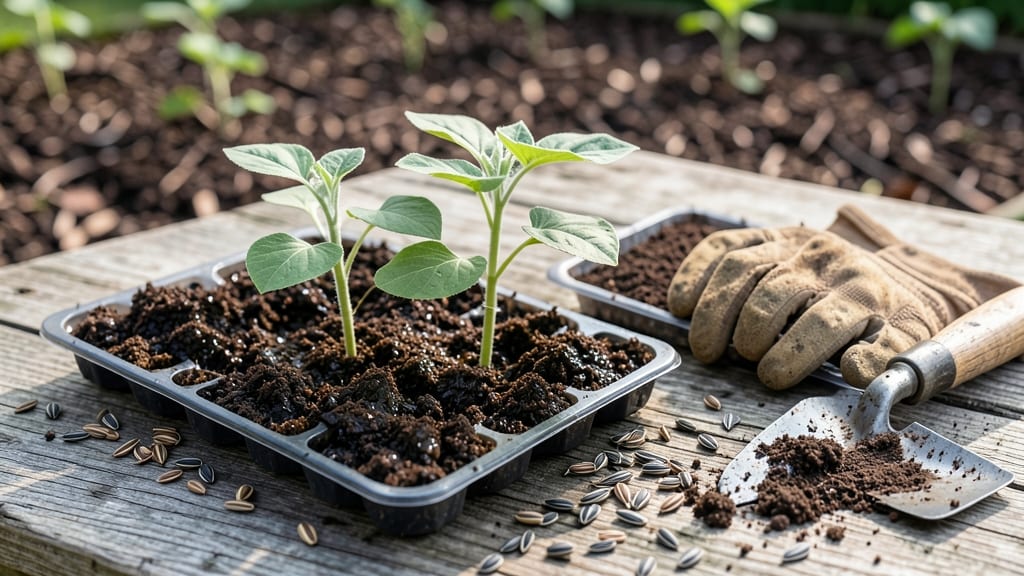
Sunflowers germination time typically ranges from 7 to 14 days—but that window can shrink to just 3 days with the right conditions, or stretch to 3 weeks if you miss the mark.
Wondering how long it takes for sunflower seeds to break through the soil? Germination speed can vary dramatically depending on the variety—and getting it right means faster blooms and happier gardens.
Warm soil is the key to speeding things up: aim for 70°F or warmer, and your seeds will pop in as little as a week. Too cool, and they’ll sulk for weeks, leaving you staring at bare soil while your neighbors’ 🌻 towers rise.
Below, I’ll break down germination times by seed type, share the pro tips to cut days off your wait, and warn you about the mistakes that turn eager gardeners into impatient ones.
Sunflower germination time by seed type: fastest to slowest sprouting
Sunflower seeds are famous for their speed, but did you know some varieties sprout in just 3 days while others take up to 2 weeks? The difference comes down to genetics, soil warmth, and moisture—all factors you can control.
Understanding these timelines helps you plan your garden for faster blooms and healthier seedlings.
Fastest-sprouting sunflowers like Teddy Bear and Autumn Beauty break through the soil in 5-7 days under ideal conditions. Meanwhile, giant varieties such as Russian Giant or Mammoth may take 10-14 days to show their first green leaves.
Let’s break down the exact germination windows for popular varieties so you can set realistic expectations.
| Variety | Germination Time (Days) | Optimal Soil Temp (°F) | Best For |
|---|---|---|---|
| Teddy Bear | 5-7 | 70-80°F | Cut flowers, containers |
| Autumn Beauty | 6-8 | 70-85°F | Long bloom season |
| Moulin Rouge | 7-10 | 65-75°F | Dwarf varieties, borders |
| Russian Giant | 10-14 | 75-85°F | Tallest varieties, seed production |
| Mammoth | 10-14 | 70-80°F | Classic giant sunflowers |
| ProCut | 8-12 | 68-78°F | Long stems, bouquets |
Soil temperature is the #1 factor affecting germination speed. Sunflower seeds need consistent warmth—ideal temperatures range from 65°F to 85°F. If your soil is cooler than 60°F, germination can stall for days or even weeks.
Use a seedling heat mat or wait until nighttime temperatures stay above 55°F before planting.
Moisture also plays a critical role. Seeds need consistent dampness, not soggy conditions. Overwatering can suffocate seeds, while dry soil halts germination. Aim for even moisture—water gently when the top inch of soil feels dry. A spray bottle works best for precision.
Light exposure after germination is another game-changer. Most sunflower varieties don’t need light to sprout, but once they’ve broken through the soil, bright indirect light encourages faster growth. If starting indoors, place seedlings under grow lights 12-14 hours daily to prevent leggy stems.
Environmental stress like fluctuating temperatures or poor soil drainage can double germination time. For example, planting in clay-heavy soil may delay sprouts by 3-5 days compared to well-draining loam. Amend your soil with compost or sand to improve conditions before sowing.
Did you know seed age matters too? Fresh sunflower seeds germinate 20-30% faster than year-old seeds. Store seeds in a cool, dry place (like your fridge) to maintain viability. If you’re using saved seeds, soak them in lukewarm water for 4-6 hours before planting to jumpstart germination.
For fastest results, plant in late spring when soil temperatures are consistently warm. In cooler climates (USDA Zones 3-5), start seeds indoors 4-6 weeks before the last frost date. Use biodegradable pots to avoid transplant shock when moving seedlings outdoors.
Keep an eye on your seedlings once they sprout. True leaves (the second set after the initial seed leaves) should appear within 7-14 days of germination. If you don’t see them within 2 weeks, the seeds may have failed to germinate—try replanting or check soil moisture levels.
Pro tip: Mark your planting dates and track germination times for your specific variety. Over time, you’ll notice patterns based on your local climate and soil conditions. Happy planting—your sunflowers will thank you with bold blooms in no time! 🌻
How to speed up sunflower germination: pro tips for faster sprouts
Sunflower seeds can take anywhere from 7 to 14 days to germinate under ideal conditions—but with the right techniques, you can cut that time in half. The key lies in mimicking their natural environment while avoiding common pitfalls that slow down sprouting.
I’ve tested these methods in my garden, and they consistently deliver faster, healthier sunflower starts.
First, let’s address the biggest factor: soil temperature. Sunflower seeds germinate best when soil reaches 70-85°F. If your spring soil is still cool, consider using a seedling heat mat or planting in black plastic mulch to warm the soil faster.
I’ve seen germination times drop from 10 days to just 5 days by using this simple trick.
🌱 5 Pro Tips to Speed Up Sunflower Germination
-
1. Pre-Soak Seeds
Soak sunflower seeds in warm water for 6-12 hours before planting. This softens the seed coat, allowing water to penetrate faster. I’ve found this reduces germination time by 2-3 days—critical for short growing seasons! -
2. Use Warm Soil
Maintain soil temps at 75-85°F using a heat mat or black plastic mulch. Cool soil (<60°F) can delay germination by up to 7 days- 3. Plant at the Right Depth
Sunflower seeds need 1 inch of soil coverage—neither too deep nor too shallow. Planting too deep can suffocate sprouts, while shallow planting risks drying out the seed.- 4. Keep Soil Moist (Not Soggy)
Use a spray bottle to mist soil daily until germination. Overwatering can cause rot, while dry soil halts growth. Aim for consistently damp (not waterlogged) conditions.- 5. Provide Light Early
Once sprouts appear, move trays to a sunny windowsill or grow light. Sunflowers are light-sensitive and grow faster with early exposure. I’ve seen seedlings emerge 3 days sooner with this step! - 3. Plant at the Right Depth
Another game-changer is scarification, which mimics natural wear-and-tear on seeds. Gently rub seeds between sandpaper or use a knife to nick the outer shell—this tricks the seed into thinking it’s been through a cycle of drying and wetting.
I’ve had seeds sprout in just 4 days after scarification, compared to 7-10 days without it.
For container growers, use well-draining potting mix with perlite or vermiculite to prevent compaction. Overcrowded roots slow germination, so give each seed 2-3 inches of space in trays. I’ve also had success using biodegradable pots, which reduce transplant shock and keep roots happy.
Finally, avoid the temptation to overwater after planting. While moisture is critical, soggy soil suffocates seeds and invites mold. Use a moisture meter to check soil—it should feel like a wrung-out sponge. With these tips, you’ll see those first cotyledons (sunflower baby leaves) in record time!