
Light Requirements
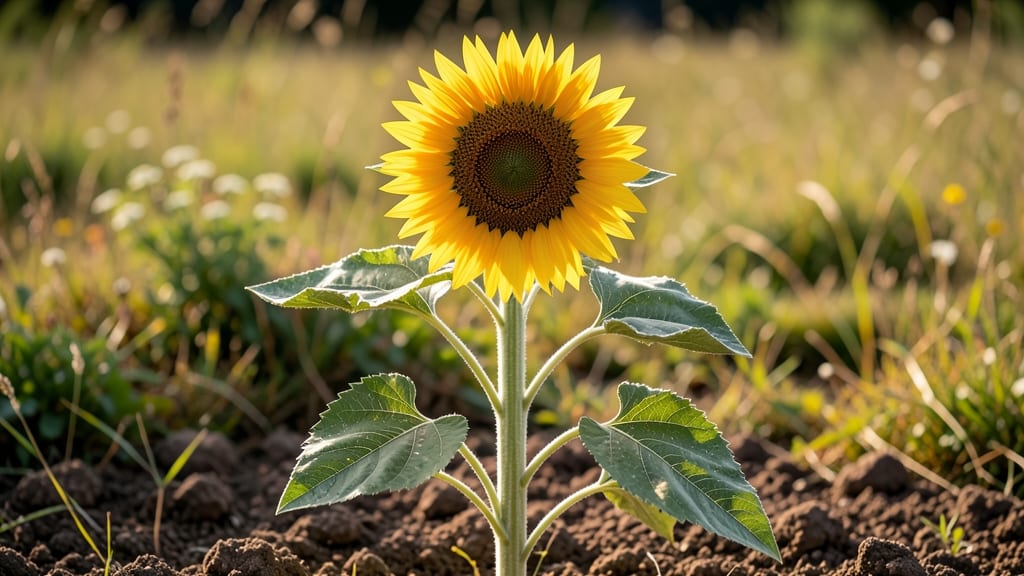
Sunflowers thrive when given the right sunflower light requirements—6 to 8 hours of direct sunlight daily—to grow their signature towering stalks and vibrant blooms 🌻. Skimp on light, and you’ll end up with leggy stems and no flowers.
If your sunflowers are stretching like they’re reaching for the sky but never blooming, the problem might be simpler than you think: they’re not getting enough light.
These plants are sun-worshippers, and cutting their exposure short can leave you with sad, spindly stems instead of the bold, cheerful blooms you planted for.
But here’s the good news: with the right placement, even gardeners in partial-shade spots can coax strong, healthy sunflowers.
In this guide, I’ll break down exactly how much light your sunflowers need, how to spot when they’re struggling, and the best varieties for different light conditions—so you can grow sunflowers that stand tall and proud.
You’ll also discover how to adjust for regional sunlight differences, whether you’re in a high-altitude garden or a low-light container setup. Let’s get those sunflowers soaking up the sun the way they were meant to!

How many hours of sun do sunflowers need daily?
Sunflowers are nature's sun-seekers, and their light requirements are non-negotiable for those towering, cheerful blooms we all love. While they can tolerate some flexibility, 6 to 8 hours of direct sunlight daily is the golden rule for happy, healthy sunflowers.
Without enough light, you’ll end up with leggy stems, sparse foliage, and flowers that never fully open. Think of sunlight as their fuel source—the more they get, the more energy they produce through photosynthesis, which directly impacts their growth and bloom size.
If you're planting sunflowers in your garden, start by identifying the sunniest spot you have. Most gardens have a south-facing area that gets the most sunlight, making it the ideal location.
Even if your yard doesn’t have a perfect south-facing patch, aim for at least 6 hours of direct sun. Morning sun is especially beneficial, as it helps dry dew quickly, reducing the risk of fungal diseases like powdery mildew.
Just avoid planting them in areas where they’ll be shaded by trees or buildings for most of the day.
Here’s the science behind it: Sunflowers use sunlight to convert carbon dioxide and water into glucose and oxygen through photosynthesis. This process powers every aspect of their growth, from root development to flower production.
When they don’t get enough light, their chlorophyll production slows down, leading to weaker stems and smaller blooms. In extreme cases, they might not even bother flowering at all. So, if you’ve planted sunflowers and they’re just sitting there looking sad, it’s time to check their light situation.
🌻
Now, let’s talk about regional adjustments. If you live in a high-altitude area, like Denver or Colorado Springs, sunflowers might need even more sunlight because the UV intensity is higher, and the air is thinner.
In these regions, aim for 8 to 10 hours of sunlight to compensate. On the other hand, if you're in a cooler climate, like the Pacific Northwest, your sunflowers might still thrive with 6 hours of sunlight, especially if the days are long during summer.
Always observe your local sunlight patterns—use a sunlight tracker app or simply note how long your garden gets direct sun each day.
What if your garden just doesn’t have enough natural sunlight? Don’t give up! You can supplement with grow lights or even move potted sunflowers to sunnier spots throughout the day.
For example, place them near a south-facing window in the morning and move them outside for a few hours in the afternoon. This light rotation can make a huge difference, especially for container-grown sunflowers.
Just remember, no amount of artificial light can fully replace natural sunlight, so it’s always best to prioritize the sunniest spot you can find.
Another common mistake is assuming that partial shade is acceptable for sunflowers. While they can tolerate 3 to 4 hours of shade, especially in the afternoon when temperatures are high, this will result in smaller blooms and weaker stems.
If you’re growing sunflowers in a partial shade garden, choose dwarf varieties like 'Teddy Bear' or 'Moonwalker,' which are more adaptable. These varieties can handle morning sun and afternoon shade, but they still won’t reach their full potential without plenty of light.
Pro tip: Pay attention to the direction of sunlight. East-facing gardens get morning sun, which is great for drying dew and preventing fungal issues. West-facing gardens receive intense afternoon sun, which can be too harsh in hot climates.
Signs your sunflowers aren’t getting enough light (and how to fix it)
If your sunflowers are growing tall but refusing to bloom, or their leaves look pale and stretched, light deprivation is likely the culprit. Sunflowers are sun-hungry plants that need at least 6 hours of direct sunlight daily to thrive.
Without enough light, they’ll focus energy on reaching for the sun instead of producing those iconic bright yellow blooms.
I’ve seen many gardeners struggle with this—even in sunny climates, shade from trees, buildings, or nearby plants can sneak up and rob your sunflowers of the light they crave.
The good news? Recognizing the signs early and making adjustments can turn your spindly stems into sturdy, flowering giants in no time.
⚠️ Sunflower Light Crisis Alert!
Minimum light requirement: 6+ hours of direct sunlight daily. Anything less triggers light stress, causing:
- Leggy stems (stretching toward light)
- Yellowing leaves (chlorosis from poor photosynthesis)
- Delayed or no blooming (energy diverted to growth)
- Weak stems (prone to toppling)
Action needed: Move plants to sunnier spots immediately or supplement with grow lights (12-16 hours/day for indoor sunflowers).
One of the first warning signs of insufficient light is elongated stems with sparse foliage. Your sunflowers might look like they’re doing okay at first, but those stretched-out stems are a red flag.
This happens because the plant is reaching for light rather than putting energy into leaf and flower production. If you notice this, check your planting location—even a few feet can make a big difference in sunlight exposure.
Another common symptom is yellowing leaves, especially on the lower stems. This chlorosis occurs when the plant can’t produce enough chlorophyll due to lack of light. Start by pruning affected leaves to redirect energy to healthier growth, but also consider relocating your sunflowers to a sunnier spot.
If you’re growing in containers, move them to a south-facing window or balcony where they can soak up more rays.
If your sunflowers are taking much longer than usual to bloom—or worse, not blooming at all—it’s a clear sign they’re not getting enough light. Sunflowers need ample sunlight to trigger flowering hormones.
To fix this, try companion planting with taller plants on the north side of your sunflowers to avoid shading them further. Alternatively, use reflective surfaces like white walls or mirrors to bounce extra light onto your plants.
For gardeners in low-light areas, grow lights can be a game-changer. A simple LED grow light placed 12-18 inches above your sunflowers for 12-16 hours daily can mimic full sun conditions.
Just remember to keep the light 6-12 inches away as the plants grow to avoid burning the leaves. This method works especially well for container-grown sunflowers or those in shady patios.
Don’t let insufficient light ruin your sunflower dreams! With these fixes—relocating plants, pruning strategically, and supplementing with light—you’ll soon be enjoying tall, vibrant sunflowers that turn every garden visit into a cheerful moment. 🌻