
Plants
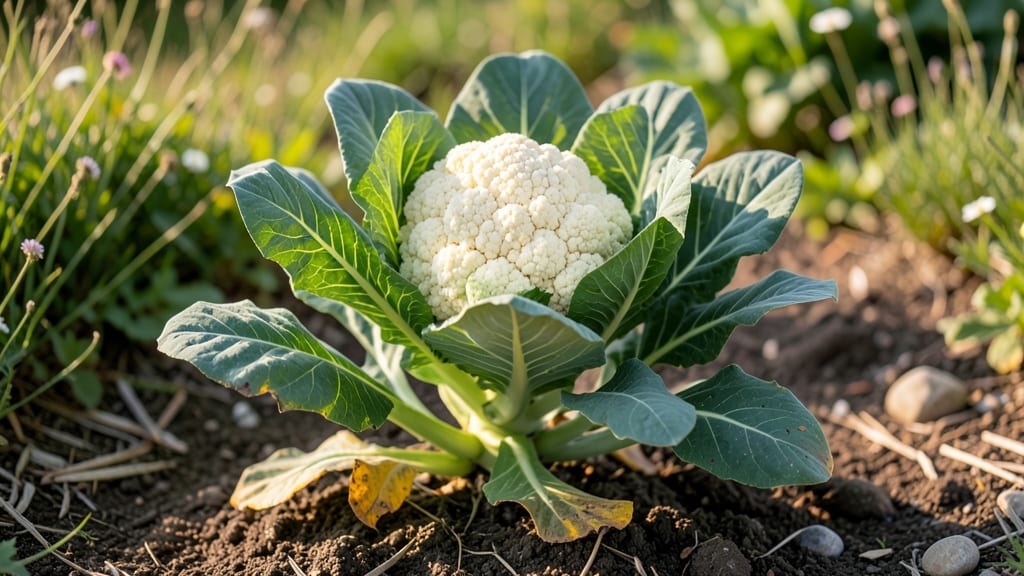
Cauliflower plants grow between 1 and 2 feet tall at maturity, but the variety you choose can turn that compact space into a game-changer for small gardens.
If you’re dreaming of a homegrown cauliflower but worried about limited garden space, knowing the right height and variety can make all the difference—some plants tower over 3 feet while others stay compact under 2!
Standard varieties like Snowball Y Improved reach 1.5 to 2 feet, while dwarf types such as Miniature Romanesco barely clear 1 foot. The difference isn’t just in height—it’s in how you plan your garden layout.
Below, I’ll break down spacing tips, the best space-saving varieties, and how to train taller plants to fit even the tightest plots without sacrificing yield.


Standard cauliflower plant heights: from dwarf to giant varieties
Choosing the right cauliflower variety for your garden starts with understanding their mature heights. Some varieties stay under 2 feet, making them perfect for containers or small plots, while others can reach 3 feet or taller, requiring more space.
The height of your cauliflower plants directly impacts your garden layout, spacing needs, and even how you train them for maximum yield.
When planning your garden, consider both the plant height and the head size. Taller varieties may need staking or support, while dwarf varieties can often thrive without extra care. Knowing these details helps you avoid overcrowding, which can lead to poor air circulation and disease.
Let’s break down the most common cauliflower varieties by their mature heights and spacing requirements.
Comparison Table: Cauliflower Heights and Spacing
| Variety | Mature Height | Spacing (Inches) | Head Size | Best For |
|---|---|---|---|---|
| Snowball Y Improved | 18-24 inches | 18-24 inches apart | 6-8 inches | Containers, small gardens |
| Romanesco | 24-30 inches | 24-30 inches apart | 4-6 inches | Medium beds, raised beds |
| Purple of Sicily | 20-28 inches | 20-24 inches apart | 5-7 inches | Small to medium gardens |
| Graffiti | 24-36 inches | 30-36 inches apart | 6-8 inches | Large gardens, trellising |
| Miniature Romanesco | 12-18 inches | 12-18 inches apart | 3-4 inches | Containers, windowsill gardens |
| White Rabbit | 18-24 inches | 18-24 inches apart | 4-6 inches | Small gardens, succession planting |
If you’re working with a small garden or containers, varieties like Miniature Romanesco or Snowball Y Improved are ideal. These dwarf varieties stay under 2 feet tall and produce compact heads, making them perfect for tight spaces.
Their spacing requirements are also minimal, typically 12-24 inches apart, so you can fit more plants in a smaller area.
For larger gardens, taller varieties like Graffiti or Romanesco can reach 3 feet or more. These varieties need more space—30-36 inches apart—to avoid competition for nutrients and sunlight.
If you’re growing these taller types, consider using trellises or cages to support their weight and improve air circulation around the heads.
Proper spacing isn’t just about height—it’s also about head size. Larger heads, like those of Graffiti, need more room to develop fully without crowding.
If you’re growing multiple varieties, place taller plants at the back of your bed and shorter ones in front to maximize sunlight exposure for all.
Another factor to consider is succession planting. If you’re growing cauliflower in a small space, you might want to stagger plantings of dwarf varieties to ensure a continuous harvest.
This way, you’re not overwhelmed with mature plants at once, and you can make the most of your limited space throughout the growing season.
When planning your garden layout, always check the seed packet or plant tag for specific spacing recommendations. Some varieties may have slightly different needs based on your climate or soil conditions.
For example, in cooler climates, plants might grow slightly taller due to slower maturation, while in warmer regions, they may stay more compact.
Finally, don’t forget that pruning and training can influence how tall your cauliflower plants grow. Regularly removing lower leaves improves air flow and reduces the risk of disease, which can help keep plants healthier and more manageable in size.
For taller varieties, consider staking or caging to prevent them from toppling over under the weight of their heads.
By choosing the right cauliflower variety and spacing them correctly, you’ll create a thriving garden that maximizes both space and yield. Whether you’re a beginner with a small balcony or an experienced gardener with a large plot, understanding these height differences is key to a successful harvest!
Best space-saving cauliflower varieties for small gardens
If you're working with limited garden space, don't let that stop you from growing your own cauliflower! Many compact varieties thrive in containers or small plots, producing delicious heads without taking up much room.
I've grown several of these myself, and they consistently deliver high yields in tight spaces—some even in 5-gallon buckets!
The key to success with these varieties is choosing ones that stay under 2 feet tall at maturity. This gives you flexibility to grow them on patios, balconies, or even in raised beds where space is precious.
Let's explore my top space-saving picks that have proven reliable in my own garden experiments.
- Miniature Romanesco - Only reaches 12-18 inches tall with fractal-shaped heads perfect for containers. Produces 3-4 heads per plant in 60-70 days.
- Snowball Y Improved - Classic dwarf variety at 18-24 inches tall. Yields 1 large head or multiple smaller ones in 70-80 days. Handles partial shade better than most.
- Purple of Sicily - Stays compact at 15-20 inches with stunning purple heads. Produces 2-3 heads per plant in 80-90 days. Great for ornamental gardens too!
- Purple Cape - Another dwarf at 12-18 inches with vibrant purple heads. Yields 1-2 heads in 60-70 days. Perfect for 5-gallon containers.
- Snowball Improved - Reliable 18-24 inch variety producing 1 large head in 70-80 days. Handles cooler temperatures better than most dwarfs.
When growing these compact varieties, I've found that container size matters. For most dwarf cauliflowers, a 12-inch diameter pot with at least 12 inches of depth works perfectly. The key is ensuring proper drainage holes to prevent root rot—something I learned the hard way with my first container experiment!
These space-saving varieties also benefit from regular harvesting. I recommend picking the outer leaves as they yellow to encourage more head formation. This technique has helped me get multiple harvests from single plants in small spaces.
Just be sure to wear gardening gloves when handling the leaves to protect your skin from potential irritation.
For best results, plant these varieties in well-draining soil with a pH of 6.5-7.0. I've had the most success using a mix of compost, peat moss, and perlite for container growing.
Remember to keep the soil consistently moist but never waterlogged—especially during head formation when the plant needs extra care.
With these compact varieties, you can enjoy homegrown cauliflower even in the smallest of spaces. My personal favorite is the Miniature Romanesco—it's not only space-efficient but also produces the most interesting heads that get compliments from everyone who sees them! 🥬