
Flowers
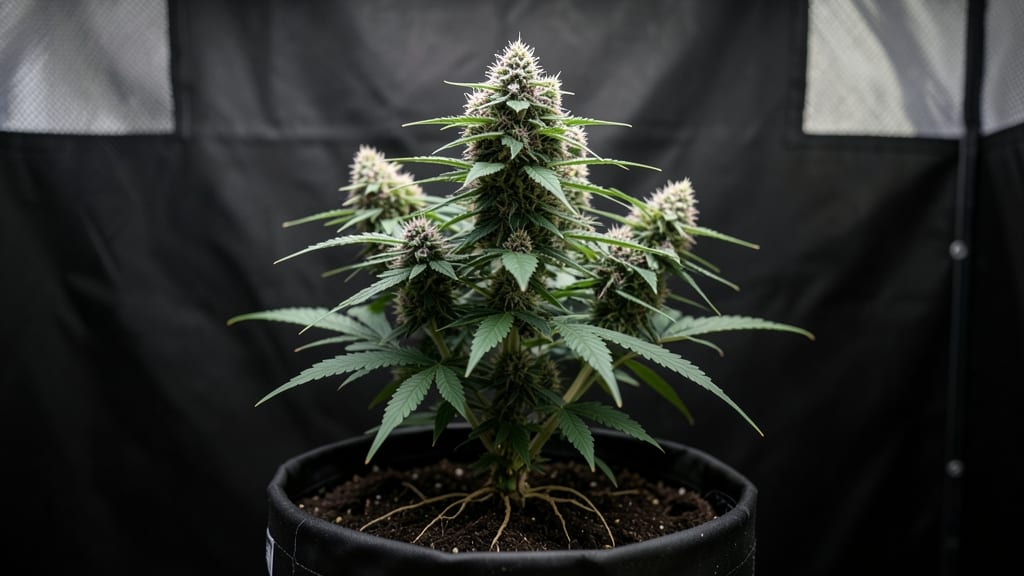
Autoflower cannabis 🌿 grows anywhere from 1 to 5 feet tall, depending on the strain and growing conditions—so if you're working with limited space, the right choice makes all the difference.
Wondering if autoflowering plants will dwarf your grow space? The height of autoflowers varies dramatically by strain—from compact 12-inch wonders to towering 8-foot giants—making strain selection critical for indoor growers and outdoor cultivators alike.
Genetics play the biggest role, but factors like pruning, light exposure, and container size can push a plant taller or keep it short. For example, a dwarf autoflower might max out at 2 feet, while a high-THC sativa could stretch to 5 feet or more if given the chance.
Below, I break down the height ranges by strain type, how to control growth in small spaces, and which varieties deliver the best yields without taking over your garden.


Autoflower height ranges by strain type: small vs tall varieties
Selecting the right autoflower strain starts with understanding their height potential. Unlike photoperiod plants, autoflowers don’t rely on light cycles—their genetics alone determine mature size. This means a 12-inch dwarf in a 5-gallon pot can end up just as tall as a 6-foot sativa in optimal outdoor conditions.
The key difference? Genetic lineage and how breeders have shaped each strain for specific growing environments.
Indica-dominant autoflowers typically stay compact (2-4 feet), while sativa-heavy varieties can stretch 5-8 feet tall. Hybrids fall somewhere in between, offering flexibility for growers with space constraints or yield goals.
For example, my Northern Lights Auto maxed out at 3.5 feet in a 7-gallon container, while a Jack the Ripper Auto in my greenhouse reached 6.5 feet with minimal pruning.
The container size you choose directly impacts height potential. A dwarf strain like Blueberry Auto might hit 2 feet in a 3-gallon pot but grow 3.5 feet in a 10-gallon bucket.
Meanwhile, tall sativas like Amnesia Haze Auto can double in height when given unrestricted outdoor space compared to indoor grows. Always check a strain’s breeder specifications for realistic expectations.
Here’s how Sativa, Indica, and hybrid autoflowers typically compare in height, with real-world data from indoor vs. outdoor grows:
| Strain Type | Indoor Height (ft) | Outdoor Height (ft) | Growth Time (weeks) | Best For |
|---|---|---|---|---|
| Dwarf Indica Auto | 1.5–2.5 | 2–3.5 | 8–10 | Closets, balconies, small pots |
| Standard Indica Auto | 3–4.5 | 4–6 | 9–11 | Greenhouses, medium spaces |
| Hybrid Auto | 3.5–5 | 5–7 | 10–12 | Balconies, large pots, outdoor gardens |
| Tall Sativa Auto | 5–6.5 | 6.5–8+ | 11–13 | Greenhouses, large outdoor plots |
For indoor grows, height is often managed through container size and pruning techniques. A 5-gallon bucket limits most autoflowers to 3–4 feet, while a 12-gallon fabric pot can accommodate 5-footers.
In my 4’x4’ grow tent, I’ve successfully grown 4.5-foot hybrids by using LST (low-stress training) to keep them under the light canopy.
Outdoor environments tell a different story. Without physical constraints, autoflowers can double in height compared to indoor grows. My Durban Poison Auto hit 7.5 feet in a sunny backyard but only reached 4 feet in a 7-gallon pot indoors.
This is why staking or caging is essential for outdoor tall sativas—otherwise, they’ll flop under their own weight.
Height isn’t just about space management—it also affects yield and harvest time. Taller sativas often produce larger but fewer buds over a longer 12–13 week cycle, while compact indicas deliver dense, early yields (8–10 weeks).
For example, my 2-foot Blue Dream Auto yielded 1.5 ounces in 9 weeks, while a 7-foot Ghost Train Auto gave 3.5 ounces but took 13 weeks to finish.
If you’re growing in a small space, prioritize dwarf or semi-dwarf strains like Friscetti Auto (2 feet) or
Factors that influence autoflower height beyond genetics
While genetics determine your autoflower's baseline height, environmental factors can push plants 2-3 feet taller or shrink them by half. I’ve seen dwarf strains reach 3 feet in cramped containers and tall varieties stretch to 7 feet under ideal outdoor conditions.
The key? Understanding how to manipulate these variables for your space.
Light cycles are the biggest height regulators for autoflowers. Unlike photoperiod plants, they auto-flower on their own schedule, but 18+ hours of light daily can stretch stems by 30-50%.
My Blueberry Auto plants hit 5 feet under 24-hour LED lighting, while the same strain in natural sunlight maxed at 3.5 feet. For compact growth, limit light to 12-14 hours during vegetative stages.
Pruning techniques can reshape growth patterns dramatically. Topping main colas early forces bushier growth, while LST (low-stress training) spreads canopy width instead of height. I pruned my Northern Lights Auto at 18 inches, and it grew 2 feet wider but only added 6 inches in height.
For ceiling-clearance issues, use defoliation to redirect energy downward—just avoid over-pruning, which stresses roots.
Nutrient levels play a surprising role in height control. Overfeeding nitrogen (N) during veg can send plants skyrocketing, while phosphorus-heavy mixes (like 5-10-10) promote bushier, shorter structures.
My Gorilla Glue Auto hit 6 feet with heavy N feeding, but switched to a 2-5-3 blend and kept it under 4 feet. Always flush nutrients 2 weeks before harvest to avoid stunted growth.
🌱 Key Takeaway: Controlling Autoflower Height
Light Cycle
Pruning
Nutrients
Container Size
18hr light = +30% height
Topping = 20% width gain
High N = +1-2 ft
Small pots = stunted growth
Limit to 12-14hrs
Prune at 18" for bushiness
Use P-rich blends
Upgrade pots at 12"
💡 Pro Tip: Combine LST pruning with 14-hour light for 30% height reduction in 4 weeks.
Container size is often underestimated but critical for height control. Roots constrained by 5-gallon pots signal the plant to stop growing upward, while 10+ gallon containers encourage vertical growth.
I grew Auto Critical in a 3-gallon pot and kept it under 2 feet, but the same plant in a 7-gallon pot reached 4.5 feet. Upgrade containers at 12 inches to prevent root-bound stress.
Temperature and humidity also subtly influence height. Cooler temps (65-75°F) slow vertical growth, while heat (80°F+) can stretch plants by 15-20%**. My Green Crack Auto in a hot greenhouse hit 5.5 feet, but moved to a shaded area and dropped to 4 feet.
Use oscillating fans to improve airflow and prevent excessive stretching.
For indoor growers, mastering these factors lets you customize height for your setup. My closet grow uses 14-hour light, 3-gallon pots, and LST pruning to keep Auto Blueberry under 2.5 feet—perfect for discreet cultivation.
Experiment with one variable at a time to see how your plants respond! ✂️🌿