
Advice
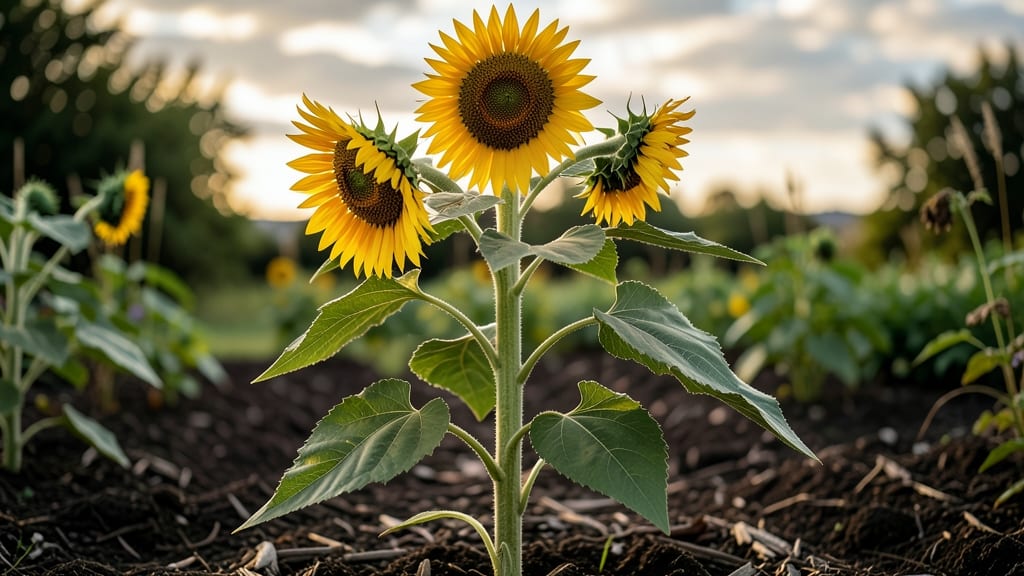
Sunflowers reach maturity in 45 to 120 days, depending on the variety and growing conditions—so choosing the right type for your zone means the difference between a towering giant and a compact showstopper.
Picture this: you plant a packet of seeds in early spring, only to watch them bolt into 12-foot monsters by summer—or worse, flop over before they even bloom. The secret? Knowing your sunflower’s days to maturity and matching it to your local frost dates.
In Zone 6a, where frost lingers until mid-April, fast-maturing varieties like ‘Teddy Bear’ (55-60 days) are your best bet, while slower growers like ‘Mammoth’ (100-120 days) need a long, warm season to shine.
Below, I break down the exact timelines for popular varieties, how to adjust for your climate, and 3 pro tips to tweak maturity naturally—so you’re not left with half-grown stems or a garden full of flops.
Sunflower variety maturity timeline: from seed to full bloom
Sunflowers are one of the fastest-growing annuals in the garden, but their time to maturity varies dramatically by variety. Whether you're growing towering Mammoth sunflowers for cut flowers or compact Teddy Bear types for containers, knowing the exact timeline helps you plan for bloom season and avoid frost damage.
Most sunflowers reach maturity in 60-120 days, but cooler zones can stretch this timeline by 2-4 weeks.
For gardeners in USDA Zones 3-5, shorter-season varieties like Autumn Beauty (55-60 days) are ideal, while Zone 8-10 gardeners can grow tall varieties like Russian Giant (100-120 days) with confidence.
The key is matching your variety to your last frost date and first frost date—plant too late, and you’ll miss the summer bloom window entirely.
Here’s a breakdown of the most popular sunflower varieties, their days to maturity, and how to adjust planting times based on your zone. This table includes both classic and modern varieties, so you can pick the perfect fit for your garden’s height, color, and bloom goals.
If you’re in a cool climate (Zones 3-5), focus on varieties with 55-70 days to maturity, like Autumn Beauty or Teddy Bear. These bloom quickly enough to avoid early fall frosts while still providing height and color.
For warmer zones (Zones 8-10), you can extend your season with taller varieties like Russian Giant or Mammoth, which thrive in long, hot summers.
Pro tip: Check your average first frost date and count backward from the maturity days. For example, if your frost date is October 15 and you’re growing Mammoth sunflowers (120 days), plant by June 15 to ensure blooms appear before frost.
Use a garden journal to track your local microclimate—some years may be warmer or cooler than average.
How growing zones affect sunflower maturity: adjusting your planting schedule
Your USDA growing zone is the secret weapon for timing sunflower planting. In Zone 3, frost can linger until June, while Zone 10 enjoys frost-free winters.
These differences mean your 60-day Mammoth sunflower might bloom in July in Zone 7 but face frost threats in Zone 5 if planted too early. Let's decode how to adjust your schedule for maximum bloom potential in any climate.
Sunflowers thrive on warmth and sunlight, but their growth rate slows dramatically in cooler zones. A Teddy Bear variety (50 days to maturity) planted in Zone 4 might need a 4-6 week head start indoors versus direct sowing in Zone 8.
The key is matching your last frost date with the variety's days-to-maturity to avoid frost damage before blooming.
In short-season zones (3-5), prioritize dwarf varieties like 'Little Becka' (50 days) over towering 'Russian Giant' (120+ days). These compact types reach maturity before first frost while still delivering 18-inch stems.
For long-season zones (7-10), you can afford tall varieties like 'Autumn Beauty' (90 days) that store energy for larger blooms.
Watch your local frost dates like a hawk. In Zone 6, a June 10 frost could nip 90-day sunflowers planted May 1. Use microclimate adjustments—plant near south-facing walls or heat-retaining structures to add 2-3°C warmth and 1-2 weeks of growing time.
My Zone 5 garden gains an extra week of bloom by planting near the brick patio.
For extended seasons, try succession planting in Zones 7-10. Sow new seeds every 2 weeks from May through July to enjoy continuous blooms until first frost. This works especially well with 50-60 day varieties like 'Pro Cut'—perfect for cut flower arrangements all summer long.
Remember: Soil temperature matters more than air temperature. Sunflowers need soil at 55°F+ to sprout. In Zone 4, wait until mid-May when soil warms, even if air temps are mild. Use a soil thermometer to track progress—consistent warmth = faster germination.