
Blooming
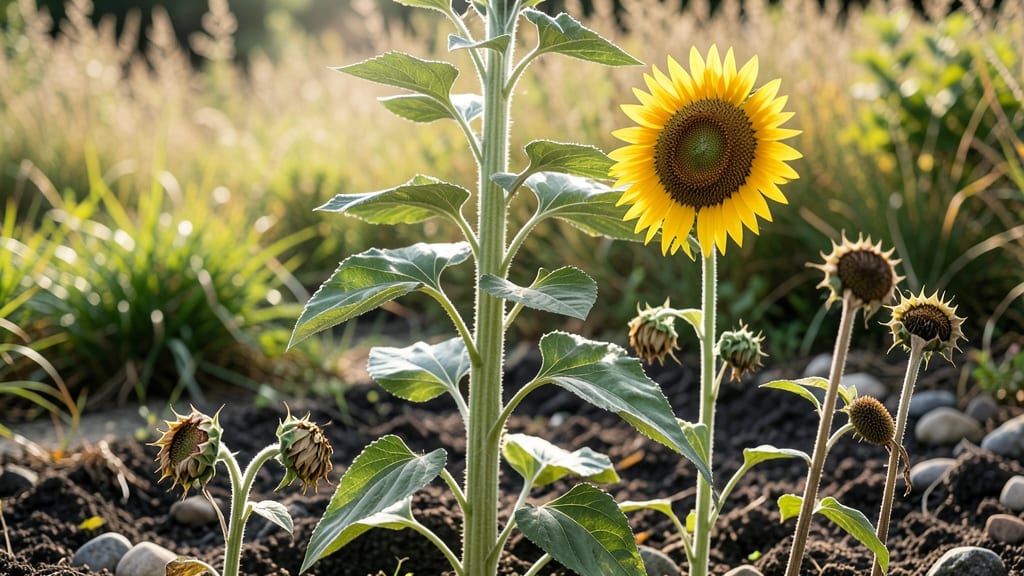
Sunflower season begins when the soil warms and the days stretch long 🌻 — timing your plantings right is the difference between 3-foot shrubs and 12-foot giants that steal the show.
Watching sunflowers reach toward the sky is one of gardening’s most breathtaking rewards—but timing your planting perfectly is the secret to those towering, golden blooms you’ve always dreamed of.
In USDA Zone 6a, like most of the Midwest, your window runs from mid-April through May, but a late frost can turn your patience into a race against time. Below, I’ll break down the exact timing, soil prep, and care steps to maximize height and blooms—no guesswork.
You’ll learn how to stretch your season for continuous harvests, pick the fastest-growing varieties for your zone, and avoid the three biggest mistakes that stunt growth (spoiler: watering too much is one of them).

Sunflower planting season by climate Zone: exact timing for maximum height
If you’ve ever dreamed of sunflowers stretching toward the sky like golden skyscrapers, you know the perfect planting time makes all the difference. Sunflowers thrive when planted after soil temperatures hit 50°F (10°C), but the exact window depends on your USDA climate zone.
Plant too early, and frost will nip tender seedlings. Too late, and you’ll miss the 120-day growth window needed for towering varieties like 'Mammoth' or 'Russian Giant'.
Your location determines everything—from frost-free dates to bloom timing. In Zone 3, where winters are harsh, you’ll plant much earlier than in Zone 10, where mild winters allow year-round growth.
The key is aligning your planting with local last-frost dates and daylength changes, which trigger sunflower growth. For example, short-day varieties (like 'Autumn Beauty') need 12+ hours of daylight to bloom, while long-day varieties (like 'Russian Giant') grow best with 14+ hours.
Below, I’ve broken down the optimal planting windows for USDA zones 3-10, including soil temperature requirements, frost risks, and how to adjust for early or late blooms.
Use this as your garden’s roadmap to sunflower success—because timing isn’t just about when you plant, but how tall those blooms will reach.
| USDA Zone | Last Frost Date | Optimal Planting Window | Soil Temp Requirement | Bloom Time | Height Potential |
|---|---|---|---|---|---|
| Zone 3 | Mid-May | Late May to early June | 50°F (10°C) | August–September | 6–10 ft |
| Zone 4 | Early May | Early May to mid-June | 50°F (10°C) | July–September | 8–12 ft |
| Zone 5 | Mid-April | Late April to early June | 50°F (10°C) | July–October | 10–14 ft |
| Zone 6 | Early April | Early April to mid-May | 50°F (10°C) | June–October | 12–15 ft |
| Zone 7 | Mid-March | March–April (or September for fall) | 55°F (13°C) | May–November | 10–14 ft |
| Zone 8 | Early March | February–March (or September–October) | 55°F (13°C) | April–December | 8–12 ft |
| Zone 9 | None (year-round) | January–February or September–October | 60°F (16°C) | March–January | 6–10 ft |
| Zone 10 | None (year-round) | Year-round (best in cooler months) | 60°F (16°C) | Year-round | 4–8 ft |
For gardeners in Zones 3–5, where frost is a real threat, I recommend planting tall varieties like 'Mammoth' in early June to ensure they reach their 12–15 ft potential
How to extend sunflower season for continuous towering blooms
Sunflowers are nature's skyscrapers, but their seasonal growth can feel fleeting. With the right strategies, you can transform a single summer of blooms into a year-round display of golden giants.
The secret lies in succession planting, companion planting, and preparing soil that fuels rapid growth. Let's turn your garden into a sunflower paradise that never takes a break.
Most gardeners plant sunflowers once in spring, then wait for the 60-120 days it takes for blooms to appear. But why stop there? By extending your planting window and using smart gardening techniques, you can enjoy continuous blooms from early summer through fall—and even overwinter some varieties in mild climates.
Here’s how to make it happen without overcomplicating your routine.
🌻 5 Proven Ways to Extend Sunflower Season
- Succession Planting: Stagger seeds every 2-3 weeks from spring to early summer for overlapping blooms. Use fast-maturing varieties like 'Teddy Bear' (56 days) between taller types.
- Companion Planting: Pair sunflowers with bush beans (fixes nitrogen) or marigolds (repels pests). Avoid planting near tomatoes or potatoes, which compete for nutrients.
- Soil Prep: Amend soil with compost and a balanced fertilizer (10-10-10) before planting. Test pH—sunflowers thrive in 6.0-7.5 range. Add sand to heavy clay for better drainage.
- Overwintering: In zones 8-10, plant winter varieties like 'Autumn Beauty' in late summer. Mulch heavily with straw to protect roots from frost. Expect blooms as early as February!
- Container Gardening: Grow dwarf varieties in 15-gallon pots for balcony displays. Replace spent plants with new seeds every 4-6 weeks for nonstop color.
One of my favorite tricks is succession planting with a mix of sunflower varieties. Start with early bloomers like 'ProCut' (60 days) in late spring, then follow with mid-season types like 'Moulin Rouge' (85 days) in early summer, and finish with late-season giants like 'Russian Giant' (120 days) in June.
This creates a staggered bloom timeline that keeps your garden vibrant from July through October.
Don’t overlook the power of companion plants to protect your sunflowers and boost their growth. I plant marigolds around the perimeter to deter pests like aphids and cucumber beetles, while interspersing bush beans between rows.
The beans add nitrogen to the soil, which sunflowers love, and their vertical growth mimics sunflowers, creating a natural trellis effect that improves air circulation.
For soil preparation, I always test my garden beds before planting. Sunflowers are heavy feeders, so I mix in aged compost and a slow-release fertilizer at planting time. If your soil is sandy, add peat moss to retain moisture; if it’s clay-heavy, incorporate perlite to prevent root rot.
A well-prepared bed ensures your sunflowers have the nutrients they need to grow 6-12 feet tall without flopping over.
In warmer climates, you can even overwinter sunflowers for early spring blooms. Choose cold-hardy varieties like 'Autumn Beauty' and plant them in late summer. Apply a 4-inch layer of mulch around the base to insulate roots.
When spring arrives, remove the mulch and watch as your sunflowers bolt into growth weeks before traditional planting time. This trick works beautifully in USDA zones 8-10.
With these techniques, you’ll enjoy continuous sunflower blooms that turn heads—and maybe even inspire your neighbors to try their own extended-season garden. The key is planning ahead, diversifying varieties, and giving your sunflowers the best possible growing conditions. Happy planting! 🌻