
Vegetables
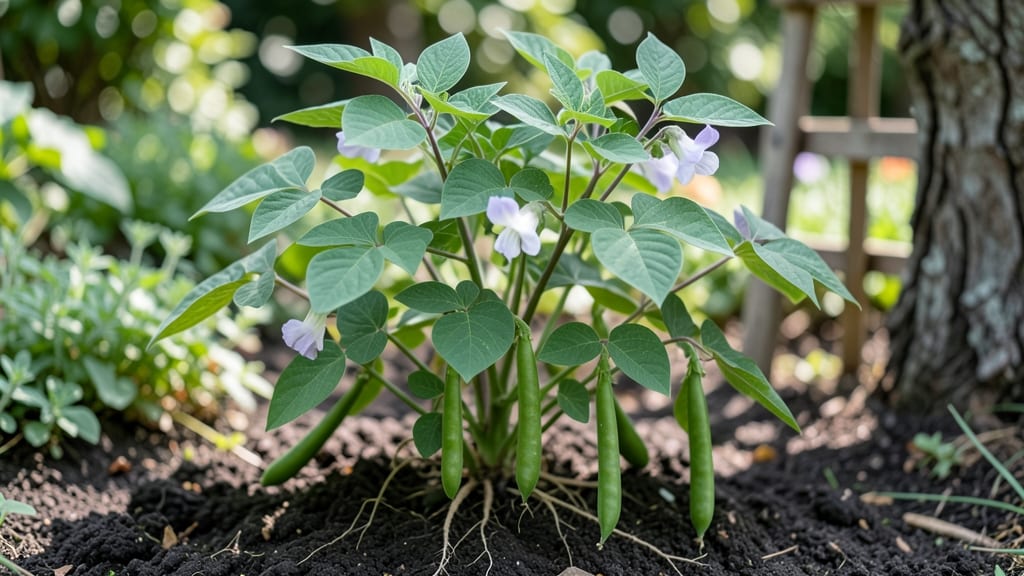
Growing stringless French beans means no more snapping those tough fibers—just tender, sweet pods straight from the vine. 🌱 I planted mine last spring, and they kept producing all summer with almost no effort, even when temperatures dipped at night.
The secret lies in how you prep the soil and when you plant, especially if you're in a cooler climate where these beans thrive as perennials.
These beans need well-draining soil rich in organic matter—think compost mixed into the top 12 inches of your garden bed. They’re not picky about sunlight, but 6-8 hours of direct sun per day will give you the best yield.
Water consistently, keeping the soil moist but not soggy, especially during flowering and pod development. Unlike many beans, these don’t mind cooler weather, making them perfect for early spring or late fall plantings.
By mid-summer, you’ll be harvesting tender pods every 3-5 days if you keep up with the harvest. The more you pick, the more your plants produce—it’s like a never-ending snack supply.
They’re also surprisingly cold-hardy, so in mild climates, they might even regrow the next year with minimal care. That’s the magic of these beans: low-maintenance and high-reward.
If you’re in a warmer climate, treat them as annuals but still enjoy their quick harvest cycle. And here’s a pro tip: plant them near corn or cucumbers—they’ll climb those plants naturally, saving you space and effort. Ready to grow your own string-free feast?
📚 In This Guide
- What you need
- Instructions
- Tips and common mistakes
- Wrapping up and next steps
What you need
- ● Stringless French bean seeds: Choose heirloom or hybrid varieties like 'Contender,' 'Mascotte,' or 'Maxi.' Aim for 10–15 seeds per plant (or 2–3 seeds per spot if growing in clusters).
- ● Well-draining potting mix or garden soil: A blend of 50% compost, 30% garden soil, and 20% perlite or vermiculite works best for containers. For in-ground planting, amend soil with aged compost (1–2 inches mixed into the top 6 inches of soil).
- ○ Containers (optional but helpful): 5–7 gallon fabric grow bags or deep pots (12+ inches) for each plant.
- ● Or, a raised bed (minimum 12 inches deep) if planting directly in the ground.
- ● Fertilizer: A balanced, low-nitrogen option like 5-10-10 or compost tea (apply at planting and again when flowers appear).
- ● Mulch: Straw or shredded leaves (2–3 inches) to retain moisture and suppress weeds.
- ● Hand trowel or small shovel for planting.
- ● Watering can or hose with a gentle spray nozzle (beans need 1–1.5 inches of water weekly, but avoid soggy soil).
- ○ Garden twine or small stakes (optional): Only needed if training vines (though stringless varieties are bushier, some may benefit from light support).
- ○ Pruning shears (optional): For trimming leggy growth or harvesting.
- ● Sunlight access: Full sun (6–8 hours daily) is non-negotiable—beans are sun-worshippers! 🌞
- ● Cold-hardy zone awareness: Stringless French beans thrive in zones 3–10 but may need row covers or cold frames in early spring/fall for tender young plants.
- ○ 🌱 Soak seeds overnight in warm water to speed up germination (optional but helpful in cooler climates).
- ● 🔄 Regrow from last year’s roots! If your beans are perennials in your zone, mark their location—new shoots often emerge in spring.
- ● 🚫 Avoid over-fertilizing with nitrogen—it promotes leafy growth over pods. Stick to phosphorus and potassium for better yields!
How to grow stringless French beans as cold-hardy perennials
Here’s how I’ve grown these resilient beans for years—they’ll keep producing through multiple harvests if you follow these steps.
🌱 Step 1: Choose the Right Location and Prepare the Soil
Stringless French beans thrive in full sun (at least 6-8 hours daily) and well-draining soil with a pH between 6.0 and 7.0. I always test my soil first—beans hate soggy roots, so amend heavy clay with 2-3 inches of compost or aged manure before planting. Work it into the top 6 inches of soil to create loose, crumbly texture.
If your garden bed is new, add a 1-inch layer of coarse sand or perlite to improve drainage. The goal is soil that holds moisture but doesn’t stay waterlogged. I like to mix in a handful of wood ash (sparingly) to boost potassium, which helps with strong vine growth. Avoid fresh manure—it can burn tender roots and delay germination.
🌱 Step 2: Plant Seeds at the Right Depth and Spacing
Sow seeds ½ inch deep, about 2-3 inches apart in rows 18-24 inches apart. Since these are perennials, I plant them in early spring (after last frost) and again in late summer for a fall harvest. The key is patience—don’t rush planting until soil warms to at least 60°F, or seeds may rot instead of sprouting.
I tap the seed packet gently to release one seed at a time—planting too many in one hole leads to weak, crowded seedlings. Cover lightly with soil and water gently but thoroughly. You’ll see sprouts in 7-14 days, depending on your climate. If your area has cool nights, use row covers to protect young plants from frost until they’re 4-6 inches tall.
☀️ Step 3: Provide Consistent Water and Support
Water deeply once a week (or more in extreme heat) to keep the soil 1-2 inches moist at all times. Drip irrigation works best—it delivers water right at the roots without wetting the leaves, which prevents fungal diseases. I water in the early morning so foliage dries quickly, reducing the risk of mildew.
As plants grow, install trellises or sturdy stakes (at least 5-6 feet tall) to support the vines. Stringless beans don’t need heavy pruning, but I pinch off the first few flowers to encourage bushier growth. Once pods form, harvest every 2-3 days to keep production steady. The more you pick, the more the plant will produce—it’s a self-sustaining cycle.
✂️ Step 4: Mulch and Protect for Year-Round Growth
Apply a 2-inch layer of straw or shredded leaves around the base of plants to retain moisture, suppress weeds, and protect roots from winter cold. I top-dress with compost in early spring to replenish nutrients. Stringless French beans are surprisingly cold-hardy—they’ll regrow from the roots each year if you mulch well and avoid heavy frost damage.
In fall, cut back vines to 6 inches tall before the first hard freeze. The remaining stubs will sprout new growth in spring. If you live in a mild climate (Zone 7 and above), you can leave them uncut and enjoy a second harvest in late fall. Just be sure to cover them with row fabric if frost threatens.
🌿 Step 5: Extend the Season with Succession Planting
For a continuous harvest, I plant new seeds every 2-3 weeks from early spring until 6 weeks before the first frost. This ensures you always have fresh pods while the perennials recover. Since these beans are cold-hardy, they’ll often survive winter and resprout on their own—just give them a little help with mulch and protection.
Real talk: If you miss a harvest window, don’t stress. The plants will store energy in their roots and bounce back stronger next season. I’ve had patches come back after light frost—just trim back any damaged growth in early spring, and they’ll rebound with even more vigor.
Tips & tricks for growing cold-hardy perennial beans
These little-known tricks will help you grow stringless French beans that thrive year after year with minimal effort.
Soil Prep Secret: Before amending your soil, do a simple jar test to check drainage. Fill a clean jar halfway with soil, add water, and shake vigorously. If water drains in under 10 seconds, your soil is well-draining. If it stays muddy after 30 minutes, you definitely need that extra 1-inch layer of sand or perlite. I've seen beans struggle in heavy clay even after composting—this test saves headaches later.
Planting Precision: When sowing seeds at the ½-inch depth, use a pencil to make small holes first. This ensures consistent spacing and prevents overcrowding. I mark rows with a garden hose laid out in 18-24 inch increments—it creates perfect guides without guessing. The key is patience with soil temperature; if your morning soil feels cooler than 60°F, wait another week rather than risking rot.
Watering Wisdom: The "1-2 inches moist" guideline means your finger should feel damp about 1 inch down but not soggy. I test this by pushing my finger in after watering—if it comes out clean, you need more water; if it's dripping wet, you've overdone it. Morning watering is non-negotiable: evening moisture invites fungal diseases, and beans hate wet foliage. Consider a moisture meter if you're unsure—it's a $10 investment that prevents overwatering disasters.
Winter Protection Hack: For Zone 7+ gardeners wanting that second fall harvest, use clear plastic milk jugs cut in half as mini cloches. They trap heat while letting light through, extending the growing season by 2-3 weeks. I also bury empty plastic bottles neck-down around the base to create air pockets—this prevents root freeze damage better than thick mulch alone. The beans will thank you with next spring's early growth.
Pro Tips for Stringless French Beans
- These little-known tricks will help you grow stringless French beans that thrive year after year with minimal effort.
- Soil Prep Secret: Before amending your soil, do a simple jar test to check drainage. Fill a clean jar halfway with so...
- Planting Precision: When sowing seeds at the ½-inch depth, use a pencil to make small holes first. This ensures consi...
Frequently asked questions
Got questions about growing stringless French beans? You’re not alone! Here are answers to the most common queries—from planting to harvest—to help you succeed with these cold-hardy perennials.
What’s the best time to plant stringless French beans?
Plant seeds after the last frost when soil is at least 60°F (15°C). For perennials, start in late spring and avoid planting too early—cold soil can stunt growth. In warmer climates, opt for fall planting (8–10 weeks before first frost) to extend harvests.
Do stringless French beans really regrow every year?
Yes! Unlike annuals, these beans are cold-hardy perennials that return if protected from winterkill. Mulch heavily with straw or leaves, and trim back foliage in late fall to encourage regrowth. With proper care, they’ll produce for 3–5 years or more!
Why are my beans getting stringy or tough?
Stringiness happens when beans are overmature or underwatered. Harvest every 2–3 days when pods are 3–4 inches long and tender. If soil is dry, water deeply 1–2 times weekly (avoid soggy roots). For perennials, prune older stems to redirect energy to new growth.
Can I grow stringless French beans in containers?
Choose a 5-gallon pot with drainage holes and fill with well-draining potting mix. Use a trellis or cage to save space, and place in full sun (6+ hours/day). Container beans need frequent watering—check soil daily in hot weather. Dwarf varieties like ‘Mascotte’ work best.
Are stringless beans as tasty as regular green beans?
Even better! Without fibrous strings, they’re softer, sweeter, and more tender—perfect for raw snacking, stir-fries, or steamed dishes. Their slender pods also cook faster. For extra flavor, harvest in the morning when sugar levels peak. Try them in pesto, salads, or grilled!
Wrapping up and next steps
Growing stringless French beans is a rewarding journey that brings fresh, flavorful harvests to your table—year after year! 🌱 These cold-hardy perennials thrive with minimal fuss, making them perfect for both novice and experienced gardeners.
Whether you're saving seeds, extending your growing season, or simply enjoying a bountiful garden, the key is patience and consistency.
Ready to take the next step? Start with one plant or a small batch this season, experiment with companion planting, and soon you’ll be sharing your homegrown beans with friends and family. Happy gardening—your future harvests are waiting! 🌿