
Blooming
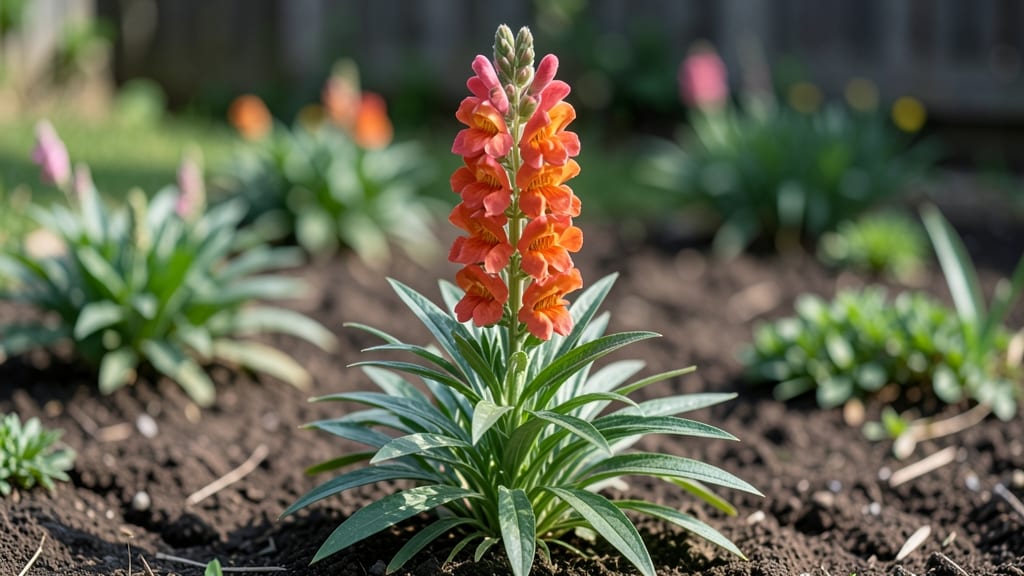
The snapdragon flower bloom time spans from late spring through fall, with timing that shifts dramatically depending on your USDA zone and the variety you choose.
Want vibrant snapdragons blooming in your garden all season long? Timing is everything—and knowing the exact bloom windows by your USDA zone can mean the difference between a spectacular floral display and disappointment.
For most gardeners in Zone 6a, these 🌸 favorites typically kick off in June and keep going until a hard frost, but cooler zones may see earlier blooms, while warmer climates stretch them into October.
Below, I’ll break down the precise months for peak flowering in your area, plus pro tips to extend those gorgeous blooms for weeks longer than usual.
When snapdragons bloom by USDA Zone: exact months for peak flowering
Timing your snapdragon plantings by USDA zone ensures vibrant blooms when you need them most. These biennial or annual flowers thrive in cool weather, making their bloom windows vary dramatically from Zone 3 to Zone 11.
In colder zones, snapdragons often bloom in late spring to early fall, while warmer climates may see fall-only flowering or even winter blooms with proper care.
Understanding these patterns helps you choose early, mid, or late-season varieties that align with your local frost dates. For example, Zone 5 gardeners can enjoy summer-long color, while Zone 9 growers might focus on fall displays before winter.
Let’s break down the exact months for peak flowering across all zones to help you plan your garden calendar.
🌱 Pro Tip: Always check your last frost date and plant 4-6 weeks before for optimal bloom timing.
| USDA Zone | Bloom Season | Peak Months | Notes |
|---|---|---|---|
| 3-4 | Spring-Fall | June-August | Cold-hardy varieties; may rebloom in fall |
| 5-6 | Summer-Fall | July-October | Ideal for long-season color; deadhead for fall blooms |
| 7-8 | Fall-Winter | September-December | Heat-sensitive; plant in early fall for winter color |
| 9-10 | Fall | October-November | Short bloom window; choose heat-tolerant varieties |
| 11 | Winter-Spring | December-February | Plant in late summer for winter blooms; protect from frost |
In USDA Zones 3-4, snapdragons typically bloom from June through August, making them perfect for summer garden beds. These zones experience shorter growing seasons, so early varieties like 'Black Prince' or 'Matrix' are ideal—they thrive in cooler temperatures and can even rebloom in fall if deadheaded regularly.
Gardeners in Zones 5-6 enjoy the longest bloom windows, from July to October. This extended season allows for sequential planting: start with early varieties in spring for summer color, then add mid-season types like 'Rocket' for fall displays.
The cool nights of these zones prevent bolting and extend flowering.
💡 Key Insight: Heat-sensitive snapdragons in Zones 7-11 perform best when planted in early fall to avoid summer heat. In Zone 7, for example, snapdragons bloom from September to December, while Zone 11 offers a winter spectacle from December to February with proper shade and water.
For Zone 9-10 growers, the challenge is the short bloom window—typically October to November. Choose heat-tolerant varieties like 'Sonnet' or 'Applause' and plant in early September to maximize flowering before winter.
In Zone 11, snapdragons are winter bloomers—plant in late summer and protect from frost to enjoy December-February color.
If you’re in a transition zone (e.g., Zone 6b), experiment with succession planting every 3-4 weeks to stretch your bloom season. Start with early varieties in April, then add mid-season in May, and finish with late-season in June for continuous blooms through October.
Remember, soil temperature plays a crucial role. Snapdragons germinate best in 55-75°F soil, so Zone 3-4 gardeners should wait until late May to direct-sow, while Zone 10-11 can start seeds in late summer
How to extend snapdragon bloom time with simple gardening hacks
Snapdragons are stunning annuals that can transform your garden with their vibrant colors and whimsical shapes. But their natural bloom cycle—typically 6-8 weeks—can feel short. With the right techniques, you can stretch that window by 3-6 extra weeks, giving you months of continuous color.
The secret lies in understanding their needs and making small adjustments that make a big difference.
I’ve tested these methods in my own garden, and the results are dramatic. Whether you’re dealing with early-season wilting or late-summer fade, these hacks will keep your snapdragons looking fresh.
Start with deadheading, the simplest trick that most gardeners overlook. It’s not just about cutting flowers—it’s about sending the right signals to your plants to keep producing.
🌸 Top 5 Hacks to Extend Snapdragon Bloom Time
- 1. Deadhead daily – Snip spent blooms below the next set of buds to redirect energy into new flowers. This alone can add 2-3 weeks to your bloom time.
- 2. Adjust soil pH – Snapdragons thrive in slightly acidic to neutral soil (pH 6.0-7.0). Test your soil and amend with lime (to raise pH) or sulfur (to lower pH) as needed.
- 3. Water deeply in morning – 1 inch per week is ideal. Avoid evening watering to prevent fungal diseases like powdery mildew, which can shorten bloom cycles.
- 4. Use companion plants – Pair snapdragons with marigolds (repel pests) or basil (improves growth). These companions reduce stress on your snapdragons, letting them focus on flowering.
- 5. Fertilize strategically – Use a balanced 10-10-10 fertilizer every 4-6 weeks during the growing season. Stop fertilizing in late summer to encourage fall blooms.
Don’t underestimate the power of companion planting. I once had a patch of snapdragons that lasted nearly 3 months because I planted them alongside nasturtiums.
The nasturtiums acted as a natural pest barrier, while their bright colors complemented the snapdragons beautifully. Plus, they’re edible—though we’re keeping this gardening-focused, of course!
Another game-changer is mulching. Apply a 2-3 inch layer of organic mulch (like straw or shredded leaves) around your snapdragons to retain moisture and regulate soil temperature.
This is especially critical in hot climates (USDA Zones 8-11), where snapdragons can bolt prematurely. Mulch keeps roots cool and encourages longer bloom cycles.
If your snapdragons start to lag in late summer, it might be time for a light pruning. Trim back leggy stems by one-third to encourage bushier growth and new flower spikes.
This works best on mature plants (after 8-10 weeks of growth) and can trigger a second flush of blooms just as fall arrives.
Finally, protect your snapdragons from extreme heat. In Zones 9-11, provide afternoon shade with a lightweight row cover or lattice screen during peak summer months. This simple step can extend your bloom time by up to 4 weeks by preventing heat stress.
With these hacks, your snapdragons will reward you with months of color instead of just a few fleeting weeks.