Vegetables
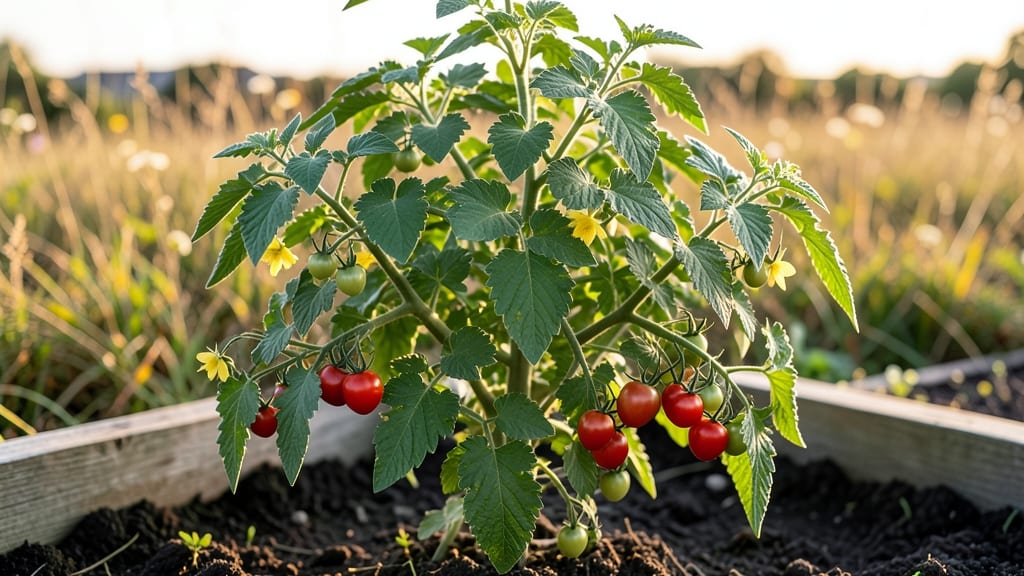
Growing small cherry tomatoes in containers lets you enjoy sweet, bite-sized fruit all season—even on a balcony or patio. 🌱 My first attempt last summer produced a dozen pint-sized tomatoes in a 5-gallon pot, and I’ve since perfected the method for prolific harvests.
The key difference from larger varieties? These compact plants thrive with less space, faster fruiting, and fewer pruning demands.
You’ll need a 5-gallon container (minimum), well-draining potting mix, and a sturdy trellis or cage—no fancy equipment required. Cherry tomatoes love full sun (6+ hours daily) and consistent moisture, but they hate soggy roots. I’ve found that drip irrigation or a self-watering pot solves the guesswork, especially during heatwaves.
The payoff? Harvests start in 50-60 days, and with proper care, one plant can yield 50+ tomatoes over months.
Pruning is the secret weapon: pinch off suckers (those little shoots in the leaf axils) to focus energy on fruit production. I also remove the bottom leaves to prevent soil-borne diseases and improve airflow.
The result? Bushier plants, more clusters, and fewer pests—because healthy plants resist problems naturally. Even my black thumb can’t kill these.
Seasonal tweaks matter: in summer, shade cloth protects from scorching; in winter, a grow light extends the harvest. Container growing also lets you move plants to ideal conditions, whether that’s a sunny windowsill or a sheltered patio.
Start with one plant to test your setup, then scale up—your taste buds (and neighbors) will thank you.
📚 In This Guide
- What you need
- Instructions
- Tips and common mistakes
- Wrapping up and next steps
What you need
- ● Container: At least 5-gallon pots (or larger) with drainage holes. 5-7 gallons per plant is ideal.
- ● Potting Mix: High-quality, well-draining container mix (avoid garden soil—it compacts!). Look for blends labeled for vegetables or tomatoes.
- ● Small Cherry Tomato Seeds or Seedlings: Seeds: 2-3 seeds per container (thin to the strongest seedling). Choose determinate varieties like 'Sweet 100,' 'Tiny Tim,' or 'Tumbling Tom' for compact growth.
- ● Seedlings: 1 per container (transplant after hardening off). Opt for dwarf or bush types for containers.
- ● Fertilizer: Balanced liquid fertilizer (e.g., 10-10-10 or 5-5-5) for early growth.
- ● Tomato-specific fertilizer (higher in phosphorus/potassium, like 7-9-5) once flowers appear.
- ● Support: Small cage, stake, or trellis (4-6 feet tall) to keep plants upright and improve air circulation.
- ● Pruning Shears: For trimming suckers and dead leaves (sterilize with rubbing alcohol between uses!).
- ● Watering Can or Drip Irrigation: Containers dry out fast—aim for 1-1.5 inches of water per week (adjust for climate).
- ● Mulch: Straw or shredded leaves to retain moisture and regulate soil temperature.
- ● pH Test Kit: Ensure soil pH is 6.0–6.8 (tomatoes thrive in slightly acidic soil).
- ● Grow Lights (Indoor Growers): 12–16 hours of light daily if growing indoors or in low-light areas.
- ○ Calcium Supplement (Optional): Crushed eggshells or calcium nitrate to prevent blossom-end rot.
- ● Insecticidal Soap or Neem Oil: For aphids, whiteflies, or hornworms (common pests).
Step-by-Step instructions for growing small cherry tomatoes in containers
Here's how to coax sweet, prolific harvests from compact plants—even in limited space.
🪴 Step 1: Select the Right Container and Drainage System
Choose a 5-gallon container minimum with drainage holes—small cherry tomatoes need room for roots to spread and water to escape. I like fabric grow bags because they prevent root circling and let excess moisture evaporate through the walls. If using plastic, add a 2-inch layer of gravel at the bottom for extra drainage.
Place the container where it gets 6-8 hours of direct sunlight daily. South-facing windows or balconies work best, but if natural light is limited, supplement with a full-spectrum LED grow light on a 14-hour timer. Without enough light, your plants will grow leggy and produce fewer fruits.
🌱 Step 2: Prepare Soil and Plant Compact Varieties
Fill the container with a mix of high-quality potting soil and compost (50/50 ratio). Small cherry tomato varieties like 'Tiny Tim' or 'Tumbling Tom' thrive in well-draining, nutrient-rich soil. Avoid garden soil—it compacts in containers and suffocates roots.
Plant one seedling per container or space multiple plants 12-18 inches apart if using a larger pot. Bury the stem up to the first set of leaves to encourage stronger root growth. Water immediately after planting to settle the soil and remove any air pockets around the roots.
☀️ Step 3: Provide Consistent Water and Support
Keep the soil evenly moist but not soggy—small containers dry out fast. Water at the base in the morning to let excess moisture evaporate during the day. Overwatering leads to blossom end rot, while underwatering causes fruit to split or crack.
Install a small tomato cage or stakes right after planting to support the plant as it grows. Small cherry tomatoes still need support to keep fruits off the ground and prevent disease. Prune suckers (the shoots that grow between the stem and branches) regularly to direct energy to fruit production.
💧 Step 4: Fertilize and Prune for Maximum Yield
Feed plants every 2-3 weeks with a balanced, water-soluble fertilizer (10-10-10 or 5-5-5) diluted to half-strength. Small containers deplete nutrients quickly, so consistent feeding keeps plants productive. Stop fertilizing once flowers appear to encourage fruiting over leafy growth.
Prune leaves that shade the fruit clusters to improve airflow and sunlight exposure. Remove any yellow or diseased leaves immediately to prevent fungal issues. Harvest cherries when they're fully colored and slightly soft to the touch—this encourages more production and prevents overcrowding on the vine.
⏰ Step 5: Extend the Season with Protective Measures
For year-round harvests, move containers indoors during cold snaps or use a frost blanket to protect plants. Small cherry tomatoes can tolerate temperatures down to 40°F, but frost will kill them. In winter, supplement with a grow light to maintain 12-14 hours of light daily.
Rotate the container quarter-turn weekly so the plant grows upright and doesn’t lean toward the light. Watch for pests like aphids or whiteflies—spray with neem oil at the first sign of trouble. With proper care, your container-grown cherries will keep producing until the first hard frost.
Tips & tricks for growing compact cherry tomatoes
Real talk: Container gardening for tomatoes takes patience, but these tricks will help you avoid the most common pitfalls and maximize your harvest.
Container Size Matters: That 5-gallon minimum isn't just a suggestion—it's non-negotiable for small cherry tomatoes. I've seen people try 3-gallon pots, and while the plants might survive, they'll produce half as many fruits. If you're using a larger container, space plants 12-18 inches apart to prevent competition for nutrients. The roots need room to explore, and compacted soil leads to poor drainage and blossom end rot.
Light is Everything: The 6-8 hours of sunlight in Step 1 is your baseline, but here's the secret: quality matters more than quantity. If your plants start stretching toward the light (a sign of legginess), you're not getting enough intensity. South-facing windows provide the brightest light, but if you're supplementing with grow lights, position them just 6-12 inches above the plants. The 14-hour timer is critical—tomatoes need this long photoperiod to set fruit consistently.
Soil Science: That 50/50 potting soil to compost ratio isn't arbitrary. The compost provides essential microbes and nutrients, while the potting soil ensures proper aeration. Pro tip: Mix in a handful of perlite or vermiculite to improve drainage further. I've found that adding a slow-release fertilizer like osmocote at planting time eliminates the need for frequent feeding later. Just follow the package instructions for application rates.
Watering Wisdom: The "evenly moist but not soggy" advice in Step 3 is easier said than done. Here's how I do it: Stick your finger about an inch into the soil—if it feels dry, water until it runs out the drainage holes. Then wait until it's dry again before watering again. Overwatering is the #1 cause of blossom end rot, but underwatering leads to cracked fruits. Morning watering is key because it gives excess moisture time to evaporate during the day, preventing fungal issues.
Pro Tips for Small Cherry Tomatoes
- Real talk: Container gardening for tomatoes takes patience, but these tricks will help you avoid the most common pitf...
- Container Size Matters: That 5-gallon minimum isn't just a suggestion—it's non-negotiable for small cherry tomatoes. ...
- Light is Everything: The 6-8 hours of sunlight in Step 1 is your baseline, but here's the secret: quality matters mor...
Frequently asked questions
Got questions about growing or using small cherry tomatoes?
Here are answers to the most common ones—from planting to harvest!
When is the best time to plant small cherry tomatoes?
For warm climates, plant after the last frost (around late spring). In cooler areas, start seeds indoors 6–8 weeks before the last frost, then transplant outdoors. Cherry tomatoes thrive in full sun (6–8+ hours/day) and warm soil (60°F+). If growing in containers, ensure pots are at least 12 inches deep for strong roots.
How do I tell if my small cherry tomatoes are ripe?
Ripe cherry tomatoes turn a vibrant red, yellow, orange, or purple (depending on variety) and feel slightly soft when gently squeezed. They’ll also detach easily from the vine. Pro tip: Pick them promptly—they won’t ripen further off the plant! Unripe ones stay firm and green.
Why aren’t my cherry tomatoes growing fast enough?
Slow growth often means insufficient sunlight, water, or nutrients. Check these:
- Water consistently (1–2 inches/week; containers dry faster).
- Move pots to sunnier spots if shade is an issue.
- Fertilize lightly with tomato-specific feed every 2–3 weeks.
- Warm soil speeds growth—use black plastic mulch or row covers early.
Can I eat cherry tomatoes straight from the vine?
Wash them first (even if organic) to remove dirt. Cherry tomatoes are sweeter and more flavorful when vine-ripe than store-bought. Try them in salads, skewers, or snack on them whole—they’re packed with vitamin C, potassium, and antioxidants!
What can I do if my cherry tomato plants get pests?
Common pests like aphids or whiteflies? Try these organic fixes:
- Spray with soapy water (1 tsp mild soap + 1 quart water).
- Introduce ladybugs or lacewings (natural predators).
- Use row covers to block flies while allowing pollination.
- Rotate plants yearly to prevent soil-borne pests.
For fungal issues (like blight), prune infected leaves and improve airflow between plants.
How many small cherry tomatoes does one plant yield?
One healthy plant produces 200–500 cherry tomatoes per season, depending on variety and care. Pro tip: For heavier yields, prune suckers (shoots in leaf axils) and stake/tie plants to improve airflow. Dwarf varieties (like ‘Tiny Tim’) yield fewer but are perfect for containers!
Wrapping up and next steps
Small cherry tomatoes are a delightful addition to any garden or container—packed with flavor, versatility, and year-round growing potential! Whether you’re a seasoned gardener or just starting out, their compact size and easy care make them perfect for balconies, patios, or even sunny windowsills. 🌱
Now that you’re armed with the best materials, tips, and solutions to common challenges, it’s time to roll up your sleeves and get growing!
Start with just one or two plants in a container, experiment with varieties, and soon you’ll be enjoying a bountiful harvest of sweet, juicy cherry tomatoes. Happy planting—and may your vine be ever fruitful! 🍅✨
Ready to take the next step? Check out our guide on pruning techniques or explore companion planting to maximize your container garden’s success!