
Vegetables
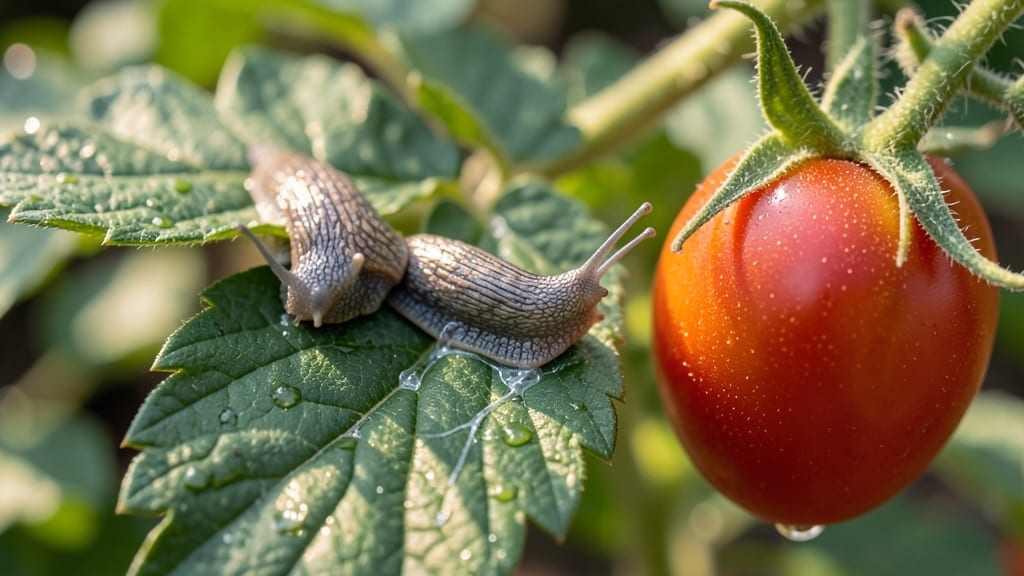
Slugs and tomatoes don’t mix—unless you’ve got a foolproof plan. 🌱 I’ve lost entire tomato harvests to these slimy pests, but after years of trial and error, I’ve cracked the code on keeping them away while protecting my plants.
The secret isn’t just one trick—it’s a layered defense that starts before the first leaf unfurls.
You’ll learn to spot the early warning signs—those telltale slime trails on leaves or the ragged edges of chewed foliage—before they become a full-blown invasion. The good news? You don’t need harsh chemicals to win this battle.
Simple, organic methods like copper tape, beer traps, and strategic mulching can make your tomato patch a slug-free zone without harming your plants or the soil.
By the end of this, your tomatoes will thrive—perfectly shaped, blemish-free, and ready to harvest. No more waking up to half-eaten seedlings or missing fruit. The key is acting fast, staying consistent, and combining a few smart tactics that work together better than any single solution.
Works for backyard gardens, container plants, and even small raised beds. Let’s get those tomatoes growing without the slugs stealing the show—here’s exactly how to do it.
📚 In This Guide
- What you need
- Instructions
- Tips and common mistakes
- Wrapping up and next steps
What you need
- ● Tomato plants: 3–6 healthy seedlings or transplants (choose disease-resistant varieties like ‘Celebrity’ or ‘Solar Fire’ for extra resilience).
- ● Organic mulch: 2–3 inches of straw, wood chips, or shredded leaves (avoid fresh grass clippings—they attract slugs!).
- ● Copper tape: 1–2 rolls (1-inch wide, 24-inch long) to create a slug-deterring barrier around plant bases.
- ● Diatomaceous earth (food-grade): 1–2 pounds (lightly dust around plants, but avoid overuse—it’s harsh on beneficial insects).
- ● Beer traps: 2–3 shallow containers (yogurt cups or small bowls) filled with beer or stale ale (slugs can’t resist!).
- ● Garden twine or wire: 10–15 feet (to secure copper tape or create protective cages).
- ● Handheld spray bottle: 1 (for neem oil solution—mix 1 tbsp neem oil + 1 tsp mild soap + 1 quart water).
- ● Slug-eating allies: 2–3 ducks, chickens, or slug-nibbling snails (if you have space for them!).
- ● Coffee grounds: 1–2 cups (sprinkle around plants—caffeine repels slugs!).
- ● Garden flags or stakes: 4–6 (to mark tomato plants and deter slugs from crawling over them).
- ● Compost bin: 1 (to recycle slug-damaged leaves—don’t throw them away!).
Step-by-step instructions for protecting tomatoes from slugs
Here’s the foolproof method I’ve used for years—no more chewed leaves or missing fruit.
🌱 Step 1: Inspect and Clear the Garden Bed
Start by walking through your tomato patch at dusk or dawn, when slugs are most active. Look for slimy trails on leaves or soil—those are your clues. I always wear gloves and use a flashlight to spot hidden slugs in mulch or under plants. Remove any you find by dropping them into a bucket of soapy water (yes, it’s gross but effective).
Next, rake away thick mulch or debris where slugs hide. Slugs love damp, shaded spots, so focus on areas under tomato plants, along fences, or under boards. If you see egg clusters (small jelly-like masses), scrape them up with a stiff brush—these hatch into more slugs in days. This step alone cuts slug populations by half.
🪴 Step 2: Set Up Physical Barriers
Slugs can’t climb smooth surfaces, so I wrap the base of each tomato plant with a 2-inch-wide strip of copper tape (available at garden centers). The copper creates a mild electric shock when slugs touch it, sending them away. For larger plants, bend the tape into a cylinder around the stem. Reapply if heavy rain washes it off.
For seedlings or container-grown tomatoes, use crushed eggshells or diatomaceous earth (food-grade only) as a barrier. Sprinkle a ½-inch thick ring around the base of the plant, but avoid touching leaves—it can harm plants. Refresh every few weeks or after rain, as organic barriers break down. This keeps slugs out without chemicals.
☀️ Step 3: Create Slug Traps and Deterrents
Place beer traps near tomato plants by burying a shallow dish (like a yogurt container) filled with ½ inch of beer (any type works). Slugs are attracted to the yeast and drown. Check traps daily and refresh the beer every 2-3 days, especially after rain. I use 4 traps per 100 square feet of garden for best results.
For a non-alcoholic option, set out shallow dishes of water with a little dish soap—slugs fall in and can’t climb out. Place these 6 inches from tomato stems to avoid splashing leaves. Also, scatter coffee grounds around plants; the caffeine and grit deter slugs while adding nutrients to the soil. Reapply after watering.
✂️ Step 4: Monitor and Maintain Daily
Check your tomato plants every morning and evening for new slug activity. Look for irregular holes in leaves or silver trails on stems—these are slug calling cards. If you spot fresh damage, act fast: Pick off slugs with a damp paper towel (they stick to it) or use a handheld aspirator (like a shop vac) to suck them up.
After heavy rain, slugs become more active, so reapply barriers and traps within 24 hours. I also water tomato plants in the early morning so foliage dries quickly, making it less appealing to slugs. Avoid overhead watering at night—wet leaves create perfect slug highways. Consistent vigilance keeps your tomatoes thriving.
⏰ Step 5: Long-Term Prevention for Next Season
Encourage natural predators like birds, frogs, and ground beetles by adding a small birdbath or pile of rocks near your garden. These creatures eat slugs voraciously. I also plant slug-repelling companions like garlic, chives, or marigolds around my tomato patch—their strong scents confuse slugs.
In fall, till the soil to expose slug eggs and let birds or frost kill them. If slugs are a recurring problem, consider nematodes (like Phasmarhabditis hermaphrodita), microscopic worms that parasitize slugs. Apply them in early spring or fall when soil temps are 50-70°F. This is a chemical-free way to break the slug cycle for good.
Tips & tricks for perfect tomato protection
Here's the secret to keeping your tomato plants thriving without slug damage—these tricks make all the difference.
Timing is Everything: The 24-hour reapplication rule after heavy rain is non-negotiable. I've seen slugs return within hours if you skip this step. Set a reminder on your phone for morning after rain—it's the fastest way to prevent a slug resurgence. Also, check your beer traps every morning and evening during rainy seasons; slugs become hyperactive when the ground stays damp.
Barrier Upgrade: For container-grown tomatoes, I've found that combining crushed eggshells with a thin layer of diatomaceous earth creates a nearly impenetrable barrier. The sharp edges of eggshells deter slugs while the diatomaceous earth adds an extra layer of protection. Just remember to refresh this combo every 7-10 days or after rain—it loses effectiveness when wet.
Natural Predator Boost: If you notice fewer birds visiting your garden, it might be because you've removed their water sources. Place a shallow birdbath with pebbles for perching near your tomato patch. Birds are voracious slug eaters, and this simple addition can cut your slug population by 30-40% within weeks. The pebbles also prevent mosquitoes from breeding in standing water.
Coffee Grounds Hack: Don't throw out those used coffee grounds! Spread them around your tomato plants in a ½-inch thick layer—the caffeine acts as a natural slug repellent while adding nitrogen to your soil. For maximum effectiveness, mix them with a little wood ash (from untreated wood only) to create a gritty barrier. Reapply after each watering to maintain the barrier's effectiveness.
Pro Tips for Slugs And Tomatoes
- Here's the secret to keeping your tomato plants thriving without slug damage—these tricks make all the difference.
- Timing is Everything: The 24-hour reapplication rule after heavy rain is non-negotiable.
- Barrier Upgrade: For container-grown tomatoes, I've found that combining crushed eggshells with a thin layer of diatomaceous earth creates a nearly impenetrable barrier.
Frequently asked questions
Got questions about slugs and tomatoes? You’re not alone! Here are some of the most common concerns—and practical solutions—to keep your tomato plants thriving while keeping those slimy pests at bay.
How do I tell if slugs are actually damaging my tomatoes?
Look for irregular holes or ragged edges on leaves, stems, and fruit—slugs leave a silvery slime trail behind. Check under leaves or mulch at dawn (when slugs are most active) for tiny, gray, slimy creatures. If you spot chewed seedlings or missing sections of fruit, slugs are likely the culprit.
When is the best time to start slug prevention?
Start before planting! Slugs thrive in moist soil, so prepare your garden beds with copper tape barriers or diatomaceous earth early. Once seedlings sprout, monitor for damage daily at dusk (their peak feeding time). Pro tip: Handpick slugs after rain—it’s the most effective early intervention!
Can slugs kill tomato plants entirely, or just eat the fruit?
Slugs can devastate both! While they prefer tender leaves and stems, they’ll definitely munch on ripe or nearly ripe tomatoes, leaving them unusable. Young plants are most vulnerable—slugs can sever stems or strip leaves, stunting growth. Act fast if you see multiple trails or collapsed foliage.
What’s the most effective slug deterrent for tomatoes?
A layered approach works best:
- Physical barriers: Copper tape around pots or garden beds (slugs hate the electric shock!).
- Natural predators: Encourage birds, frogs, or ground beetles by adding a small water source.
- Organic sprays: Beer traps (yes, really!) or garlic/chili pepper spray (reapply after rain).
- Cultural fixes: Remove mulch at night or use gravel mulch (slugs avoid sharp edges).
For severe infestations, iron phosphate baits (pet-safe) are a last resort.
Do slugs get worse after rain? How do I protect my tomatoes then?
Rain creates the perfect slug paradise—moist soil + hiding spots = feast time. After rain:
- Handpick slugs with a damp towel (they stick to it!).
- Water plants in the morning so foliage dries faster (slugs avoid dry areas).
- Cover seedlings with cloche bells or row covers temporarily.
- Avoid overwatering—stick to deep, infrequent watering at the base.
Slugs will retreat until the next shower!
Wrapping up and next steps
Slugs and tomatoes may seem like an unwelcome pairing, but with the right strategies, you can protect your harvest and enjoy juicy, blemish-free fruit all season long! 🌱 From natural barriers to proactive monitoring, these pest-proof hacks are simple, effective, and eco-friendly. Your garden—and your taste buds—will thank you!
Ready to take action? Start by implementing one or two methods from this guide this week. Keep an eye on your tomato plants, and don’t hesitate to mix and match solutions for the best defense. Happy gardening—and here’s to a slug-free, bountiful harvest! 🍅✨