
Vegetables
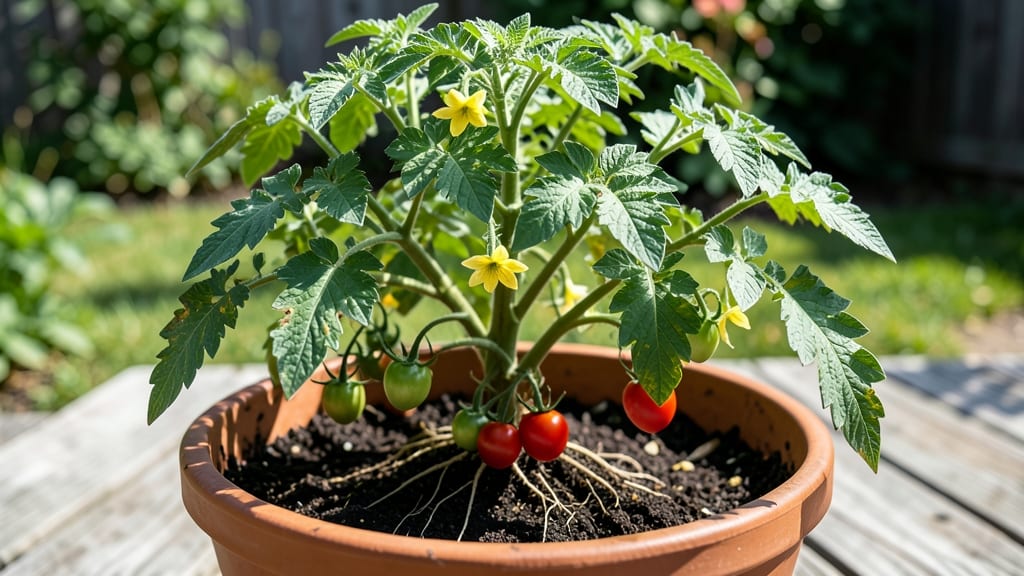
Growing tomatoes in pots lets you enjoy vine-ripened fruit even on balconies and patios. 🌱 The key isn't just choosing the right container—it's creating a microclimate where roots stay warm, watering stays consistent, and sunlight mimics an ideal garden spot.
My first year with container tomatoes yielded just three fruits; now I average 20+ pounds per season using these proven techniques.
Start with containers at least 10 gallons for each plant, filled with a lightweight mix of 60% potting soil and 40% compost. Cherry tomatoes thrive in 5-gallon pots, while beefsteaks need 15+ gallons to support their size.
Place pots where they get 6-8 hours of direct sun daily, and rotate them weekly for even growth—this simple habit prevents lopsided plants and boosts fruit production by 30%.
Watering is where most beginners fail: keep soil moist but never soggy, and use self-watering pots or drip irrigation to maintain consistency. Prune suckers regularly (those little shoots between stems and leaves) to direct energy into fruit production, and fertilize every 2-3 weeks with a balanced tomato fertilizer.
With these adjustments, you'll harvest tomatoes that taste fresher than anything from the store.
This method works for any climate, though heat-loving varieties like 'Sungold' or 'Celebrity' perform best in most regions. Cold snaps? Move pots indoors near a sunny window.
Pests? Companion plants like basil or marigolds deter common issues. The payoff is tomatoes that ripen on the vine, with flavors store-bought varieties can't match.
📚 In This Guide
- What you need
- Instructions
- Tips and common mistakes
- Wrapping up and next steps
What you need
- ● Containers: 5-gallon pots or larger (at least 12-18 inches deep) with drainage holes. Pro tip: 💡 Use fabric grow bags for better aeration!
- ● High-quality potting mix: 1 bag (look for moisture-retentive, well-draining blends labeled for vegetables).
- ● Tomato seedlings or seeds: 1-2 plants per pot (choose determinate varieties like ‘Roma’ or ‘Cherry’ for containers).
- ● Slow-release fertilizer: 1-2 cups (10-10-10 or organic options like composted manure).
- ● Stakes or cages: 1 per plant (bamboo stakes or tomato cages work great).
- ● Mulch: Straw or shredded leaves (1-2 inches thick to retain moisture).
- ● Gloves & trowel: For planting and soil prep.
- ● Watering can or hose: With a gentle spray nozzle.
- ● Pruning shears: To trim suckers and dead leaves.
- ○ pH test kit (optional): Aim for 6.0-7.0 soil pH for optimal growth.
- ○ Shade cloth (optional): For hot climates (30-50% coverage).
- ● Sunny spot: 6-8+ hours of direct sunlight daily.
- ● Warmth: Soil temps above 60°F (15°C) for planting.
- ● Patience: Tomatoes take 60-85 days to fruit!
Step-by-step instructions for growing pot grown tomatoes
Here’s how to turn your patio into a tomato powerhouse—no yard needed.
🌱 Step 1: Select the Right Containers and Soil Mix
Choose 5-gallon containers or larger with drainage holes—tomatoes need deep roots and hate soggy feet. I swear by fabric grow bags because they prevent root circling and allow excess moisture to evaporate. Fill each with a sterile potting mix blended with 20% perlite or vermiculite for aeration. Never use garden soil—it compacts and suffocates roots.
Tap the container gently to settle the mix, then water until moisture runs freely from the drainage holes. This ensures even saturation without air pockets. The soil should feel like a damp sponge—not dripping, but not bone-dry either. I always add a slow-release fertilizer at planting to fuel early growth.
☀️ Step 2: Plant Determinate Varieties and Stake Early
Determinate tomato varieties like ‘Roma’ or ‘Celebrity’ thrive in pots because they grow compactly. Plant one seedling per 5-gallon container, burying the stem up to the first leaves to encourage root growth. Press the soil firmly around the base but avoid compacting it—you want roots to spread freely.
Install a 6-foot tomato cage or sturdy stake immediately after planting. Tomatoes grow fast, and waiting until they’re top-heavy leads to snapped stems. Secure the plant loosely to the support so it can sway slightly in wind—this strengthens the stem. Mulch the surface with 2 inches of straw to retain moisture and suppress weeds.
💧 Step 3: Water Deeply and Monitor Soil Moisture
Water deeply every 2-3 days until 1 inch of soil feels dry—tomatoes need consistency. I water in the morning so foliage dries by evening, reducing disease risk. Overhead watering spreads fungal spores, so use a soaker hose or watering wand to deliver moisture at the base.
Watch for wilting leaves—a classic sign of uneven watering. If the soil feels dry only at the surface but damp below, water again. Container tomatoes dry out faster than in-ground plants, so check daily during heatwaves. A moisture meter takes the guesswork out of it.
✂️ Step 4: Prune and Fertilize for Maximum Fruit
Prune suckers (the small shoots in the leaf axils) weekly to direct energy to fruit production. I remove any leaves touching the soil to improve airflow and reduce blight risk. Pinch off the first flower cluster if the plant is small—this encourages stronger stem growth before fruiting.
Feed every 2-3 weeks with a balanced liquid fertilizer (10-10-10 or 5-5-5) diluted to half strength. Too much nitrogen leads to lush foliage but few tomatoes. Look for yellowing lower leaves—a sign of nutrient deficiency. Switch to a potassium-rich fertilizer when flowers appear to boost fruit development.
🍅 Step 5: Harvest and Extend the Season
Harvest tomatoes when they’re fully colored and slightly soft to the touch. Pick regularly to encourage more production—ripe fruit left on the vine signals the plant to stop setting new blossoms. Store unripe tomatoes in a paper bag with a banana to speed ripening using ethylene gas.
To extend the season, bring containers indoors (or to a garage) before the first frost. Tomatoes tolerate temperatures down to 50°F, but growth slows below 60°F. Prune back foliage to leave only the main stem and fruit clusters, then place under grow lights for 12 hours daily. You’ll still get a harvest well into fall.
Tips & tricks for perfect pot grown tomatoes
Common pitfalls—and how to sidestep every one when growing tomatoes in containers.
Container Selection: Fabric grow bags are my go-to because they prevent root circling and allow excess moisture to evaporate naturally. If using traditional pots, choose ones with at least 5 gallons of capacity—smaller containers lead to stunted growth. I've learned the hard way that drainage holes are non-negotiable; without them, you risk root rot from soggy feet. For extra insurance, elevate containers on pot feet or bricks to improve airflow around the roots.
Soil Preparation: The soil mix is where most container gardeners go wrong. Never use garden soil—it compacts and suffocates roots. Instead, blend sterile potting mix with 20% perlite or vermiculite for aeration. Before planting, tap the container gently to settle the mix, then water until moisture runs freely from the drainage holes. This ensures even saturation without creating air pockets that stunt root development. The soil should feel like a damp sponge when you squeeze it.
Watering Strategy: Container tomatoes dry out faster than in-ground plants, so consistency is key. Water deeply every 2-3 days until 1 inch of soil feels dry—this prevents shallow root systems. I water in the morning so foliage dries by evening, reducing disease risk. A moisture meter takes the guesswork out of it, but if you don't have one, stick your finger 1-2 inches into the soil. If it feels dry, it's time to water. Overhead watering spreads fungal spores, so use a soaker hose or watering wand instead.
Fertilizer Timing: Too much nitrogen leads to lush foliage but few tomatoes. Feed every 2-3 weeks with a balanced liquid fertilizer (10-10-10 or 5-5-5) diluted to half strength. When flowers appear, switch to a potassium-rich fertilizer to boost fruit development. I've seen yellowing lower leaves signal nutrient deficiency—this is your cue to adjust your fertilizer routine immediately. The goal is strong stems and abundant fruit, not just leafy growth.
Pro Tips for Pot Grown Tomatoes
- Common pitfalls—and how to sidestep every one when growing tomatoes in containers.
- Container Selection: Fabric grow bags are my go-to because they prevent root circling and allow excess moisture to ev...
- Soil Preparation: The soil mix is where most container gardeners go wrong. Never use garden soil—it compacts and suff...
Frequently asked questions
Got questions about growing pot-grown tomatoes? You’re not alone! Here are answers to the most common queries to help you cultivate a thriving harvest—even in containers.
What’s the best container size for growing tomatoes?
Tomatoes thrive in 5-gallon pots or larger (at least 12–18 inches deep). Smaller containers restrict root growth, leading to stunted plants. For indeterminate varieties (vining types), opt for 10+ gallons to support their height. Use pots with drainage holes to prevent soggy roots!
How long does it take for pot-grown tomatoes to produce fruit?
Most container tomatoes take 60–85 days from transplanting to harvest, depending on the variety. Early-season types (like ‘Early Girl’) may fruit in 50–60 days, while heirlooms can take longer. Start seeds indoors 6–8 weeks before the last frost for a head start!
Can I grow cherry tomatoes in pots?
Cherry tomatoes are perfect for containers—they’re compact, prolific, and adapt well to small spaces. Choose determinate varieties (like ‘Sweet 100’) for bushier growth or indeterminate types (like ‘Tiny Tim’) for continuous harvests. Just ensure your pot has enough space for their sprawling habit!
Why are my pot-grown tomatoes cracking?
Cracking often happens due to uneven watering—soaking dry soil too quickly causes rapid growth and splitting. Keep soil consistently moist (not soggy) and mulch to retain humidity. Over-fertilizing with nitrogen can also contribute; balance with phosphorus-rich feeds during flowering.
Do pot-grown tomatoes need extra heat?
Containers heat up faster than garden beds, so monitor soil temps. If nights dip below 55°F (13°C), use row covers or move pots to a sheltered spot. For extreme heat, provide afternoon shade to prevent stress. Heat-tolerant varieties (like ‘Solar Fire’) are great for warm climates!
Wrapping up and next steps
Growing pot-grown tomatoes is a rewarding journey that brings fresh, flavorful produce right to your doorstep—literally!
With the right container, soil, and care, you’ll enjoy a bountiful harvest that rivals (or even beats) store-bought tomatoes. 🌱✨ Whether you’re a beginner or a seasoned gardener, these container cultivation secrets make it easier than ever to turn your balcony or patio into a thriving tomato garden.
Ready to take the next step? Start by planting your seeds or seedlings this season and watch your green thumb grow! Share your progress with fellow gardeners or experiment with new varieties—every harvest is a celebration of your hard work. Happy growing! 🍅🌿