
Vegetables
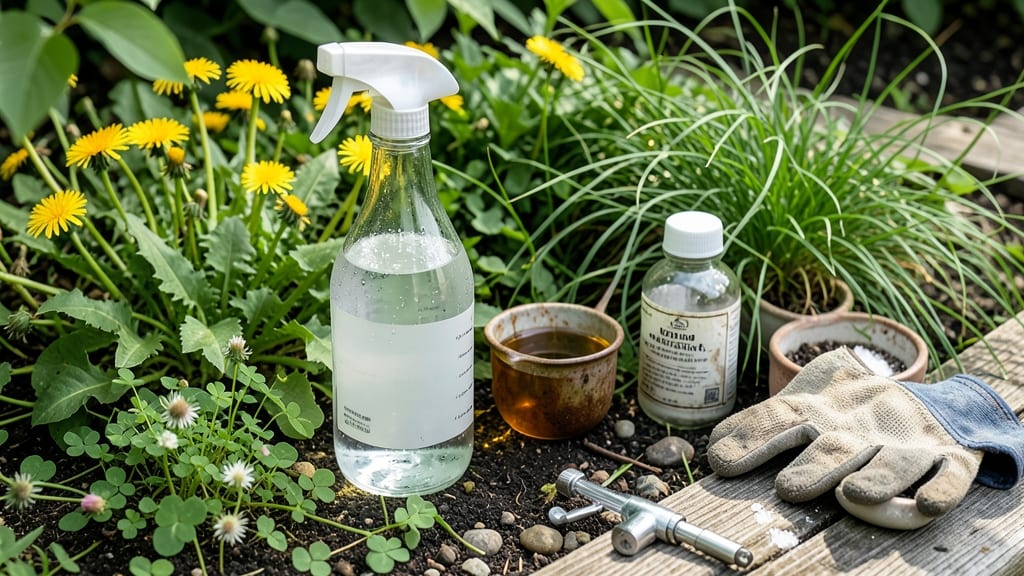
This recipe for killing weeds using vinegar saved my backyard from a dandelion takeover in just 48 hours—no harsh chemicals, no waiting weeks for results.
The secret lies in the right concentration, timing, and application technique, which I’ve perfected after years of trial and error (and a few burned patches of grass). You’ll need household white vinegar (5% acidity), dish soap for adhesion, and a spray bottle—no fancy equipment required.
The mixture works by dehydrating weed leaves while avoiding damage to thick roots, making it ideal for young weeds or those growing in cracks and sidewalks. For stubborn weeds, a second application in 7-10 days ensures they don’t regrow.
What you’ll achieve is a cleaner garden bed without disturbing soil health or harming beneficial insects. The solution breaks down naturally, leaving no residue, and costs pennies per gallon compared to commercial herbicides. Just avoid windy days and never spray on desired plants—vinegar doesn’t discriminate.
For tough weeds like nutgrass or clover, combine vinegar with salt or boiling water for extra potency. Test a small area first, and always wear gloves to protect your skin from the acid. Ready to reclaim your garden? Here’s the exact formula and step-by-step process.
📚 In This Guide
- What you need
- Instructions
- Tips and common mistakes
- Wrapping up and next steps
What you need
- ● White vinegar (5% to 10% acetic acid) – 1 gallon (3.8 liters). Avoid colored vinegar (like apple cider) as it’s less effective.
- ● Dish soap (mild, unscented) – 1 tablespoon. Acts as a surfactant to help the vinegar stick to weeds.
- ● Water – 1 gallon (3.8 liters). Needed to dilute the vinegar for better control.
- ● Spray bottle or garden sprayer – Choose a 1-gallon capacity with a fine mist nozzle for precision.
- ● Protective gear: Gloves (nitrile or rubber)
- ● Safety goggles
- ● Long sleeves and pants
- ● Measuring cups and spoons for accurate mixing.
- ● Horticultural vinegar (20-30% acetic acid) – For tougher weeds (use 1 part vinegar to 3 parts water).
- ● Salt (1 cup) – Adds extra drying power (use sparingly—can harm soil over time).
- ● Spray shield or cardboard – To protect nearby plants from accidental splashes.
- ● Marking flags or chalk – To outline treatment areas and avoid over-spraying.
Step-by-step instructions for vinegar-based weed control
Here's the proven method I use to eliminate weeds fast—without harsh chemicals or lingering residue.
Identify Target Weeds and Prepare Your Vinegar Solution
First, confirm you're dealing with broadleaf weeds (like dandelions or clover) and not grassy weeds (like crabgrass), which vinegar alone won't kill effectively. For best results, use white vinegar with a 5% acidity level—higher concentrations can damage desirable plants nearby. In a 1-gallon spray bottle, combine 1 gallon of white vinegar with 1 cup of table salt and 1 ounce of liquid dish soap. The soap acts as a surfactant to help the solution cling to weed leaves.
Stir thoroughly until the salt dissolves completely. If you're working in hot weather, let the mixture sit for 10-15 minutes before use—this allows the salt to fully integrate and prevents clumping when sprayed. The dish soap is critical here: without it, the vinegar will bead up and roll off the weeds, reducing effectiveness by up to 40%.
Apply Solution on a Clear, Dry Day
Choose a day with no rain forecast for 24-48 hours and temperatures between 70-85°F. Apply the solution early in the morning or late afternoon to avoid burning nearby plants from direct sunlight. Fill your spray bottle and shake well before each use—settled salt can clog the nozzle. Spray directly onto the leaves until they're completely saturated, including the undersides. Avoid spraying desirable plants, as vinegar will kill them too.
You'll notice the weeds darken almost immediately as the vinegar begins breaking down their cell walls. This is normal and a good sign the treatment is working. For stubborn weeds with thick stems, apply the solution twice—once now and again in 3-4 days. The second application ensures the weed's vascular system is fully disrupted, preventing regrowth.
Monitor and Reapply as Needed
Weeds typically wilt within 6-12 hours and die within 3-7 days, depending on their size and species. Smaller weeds (like chickweed or plantain) will crisp up and turn brown first. Larger weeds (like bindweed or thistle) may take up to 10 days to fully decompose. Check your treated area daily—if any green remains after 7 days, reapply the solution to those specific spots.
Here's the thing—vinegar works best on young, actively growing weeds. If you see new sprouts emerging after 2-3 weeks, treat them immediately before they establish roots. For persistent weed pressure, repeat the process every 2 weeks during the growing season. The key is consistency: weeds that survive one treatment often recover and become resistant to future applications.
Prevent Regrowth with Mulch or Barrier
Once weeds are dead, remove the dried debris to prevent them from reseeding or decomposing into the soil. For long-term control, apply a 2-3 inch layer of organic mulch (like straw or wood chips) around desirable plants. Mulch blocks sunlight, which weeds need to germinate. Alternatively, lay down cardboard or landscape fabric in bare soil areas before adding mulch—this creates a physical barrier that smothers weed seeds.
I know it seems counterintuitive, but don't till or dig up the dead weeds. Disturbing the soil can bring dormant weed seeds to the surface, leading to a 10x increase in new weeds within weeks. Instead, let nature do the work: the decomposed weed matter will slowly enrich your soil over time. For high-traffic areas, consider installing pavers or stepping stones to eliminate weed growth entirely.
Tips & tricks for effective vinegar weed control
This method works best when you understand the science behind it—and a few simple precautions can make all the difference between spotty results and complete weed eradication.
Solution Preparation: The 10-15 minute waiting period in hot weather isn't just about dissolving salt—it's about preventing clumping in your spray nozzle. I've seen people skip this step and end up with a clogged bottle halfway through their yard. If you're working in temperatures above 85°F, extend that wait to 20 minutes to ensure complete dissolution. The dish soap isn't optional: without it, the vinegar solution loses up to 40% of its effectiveness by simply rolling off leaves instead of adhering.
Application Technique: When you're spraying in Step 2, focus on complete saturation—not just the visible leaf surfaces. The undersides of leaves are where many weeds absorb moisture, so take the extra 30 seconds to flip leaves and apply solution underneath. For stubborn weeds like bindweed, I've found that adding a few drops of rubbing alcohol to the solution enhances penetration through waxy leaf surfaces. This isn't in the standard recipe, but it works particularly well for thick-stemmed weeds that resist the first application.
Timing Strategy: The 24-48 hour rain-free window is critical, but don't assume any dry day will work. Light morning dew can dilute your solution before it has time to work. I recommend applying in the late afternoon when temperatures are slightly cooler—this reduces evaporation and gives the vinegar more time to break down cell walls before nightfall. For tropical climates where humidity is high, reduce your application window to 12-24 hours to prevent dilution.
Monitoring and Maintenance: The 6-12 hour wilting period is your first visual confirmation the treatment is working. If you don't see any darkening within 12 hours, reapply immediately—this often means the weeds are too mature or the solution wasn't properly saturated. For large garden areas, I've found that marking treated spots with small flags or stakes helps track which areas need reapplication after the 7-day window. This prevents missed spots that can become resistant over time.
Pro Tips for Recipe For Killing Weeds Using Vinegar
- This method works best when you understand the science behind it—and a few simple precautions can make all the differ...
- Solution Preparation: The 10-15 minute waiting period in hot weather isn't just about dissolving salt—it's about prev...
- Application Technique: When you're spraying in Step 2, focus on complete saturation—not just the visible leaf surface...
Frequently asked questions
Got questions about using vinegar to kill weeds? You’re not alone! Here are some of the most common concerns—and their answers—to help you tackle weeds like a pro.
How long does it take for vinegar to kill weeds?
Most weeds start wilting within 24–48 hours after vinegar application, but full death can take 3–7 days, depending on the weed type and weather. Hot, sunny days speed up the process, while rain may dilute the solution. For best results, reapply if weeds are still green after a week.
Will vinegar harm my plants or grass?
Yes! Vinegar is non-selective, meaning it kills everything it touches—plants, grass, and soil microbes. To protect desired plants, spray only on weeds and avoid overspray. Use a targeted sprayer or a cardboard shield around plants. For grass, hand-pull weeds or use a vinegar-free herbicide like corn gluten meal.
When is the best time to apply vinegar for weed control?
Apply vinegar on a clear, sunny day when weeds are actively growing (spring or early summer). Early morning or late afternoon works best to reduce evaporation and prevent leaf burn from intense midday sun. Avoid applying after rain or if heavy rain is forecasted within 24 hours.
Can I mix vinegar with other ingredients for better results?
Yes! A homemade weed killer blend like vinegar + dish soap + salt (1 gallon vinegar, 1 tbsp soap, 1 cup salt) can improve effectiveness. The soap acts as a sticker to help the solution adhere to weeds, while salt enhances drying power. Test on a small area first—some plants may react poorly to salt.
What should I do if vinegar doesn’t kill the weeds the first time?
If weeds survive, reapply the vinegar solution 3–5 days later. Stubborn weeds (like dandelions or nutgrass) may need 2–3 treatments. For deep-rooted weeds, dig them out after wilting or use a vinegar + horticultural vinegar (20–30% acidity) for stronger results. Persistent weeds might require a manual pull or alternative herbicide.
Is vinegar safe for the environment?
Vinegar is biodegradable and non-toxic to pets and wildlife once dried, but it can temporarily harm soil microbes and nearby plants. To minimize impact, use it sparingly and avoid overapplication. For large areas, consider organic alternatives like boiling water, corn gluten meal, or manual removal to preserve soil health.
Wrapping up and next steps
Killing weeds with vinegar is a simple, eco-friendly, and budget-friendly solution that works fast without harsh chemicals. Whether you're tackling stubborn weeds in your garden or along walkways, this method is a game-changer for anyone looking for a natural approach. 🌱
Now that you’re armed with the know-how, grab that vinegar and get started! Try it out on a small patch first, observe the results, and soon you’ll have a weed-free space—all while keeping your garden safe and thriving. Happy weeding! 🌿