
Vegetables
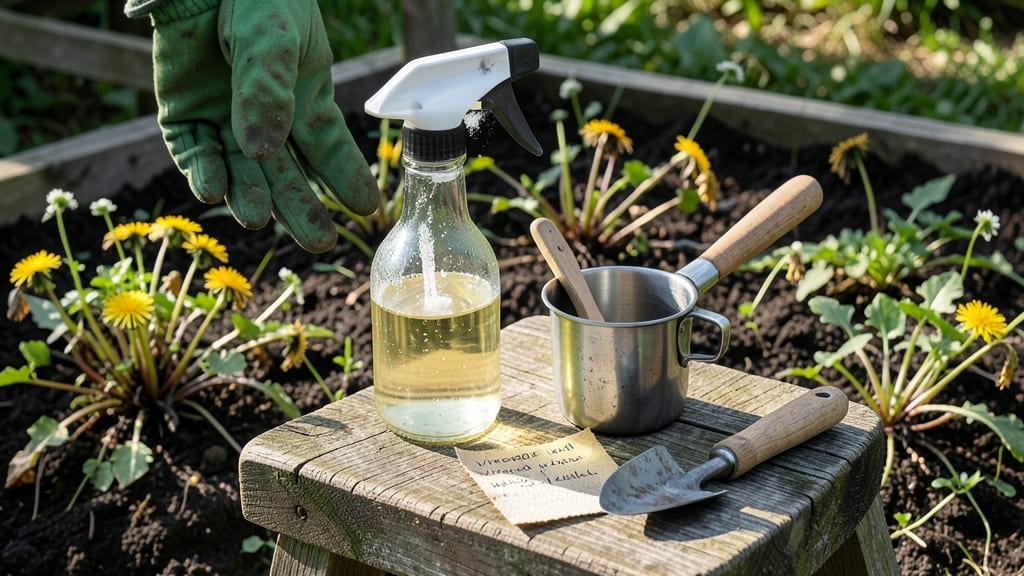
Using vinegar as a weed killer kills weeds in 24-48 hours—no harsh chemicals, no waiting months for results. I’ve used it to clear driveways and garden beds faster than any store-bought spray, though there’s a trick to getting it right without damaging your plants. The secret lies in concentration and timing: undiluted white vinegar works best on young weeds, while a 1:1 vinegar-water mix gives you more control. You’ll need a spray bottle, a sunny day (it works best in direct sunlight), and a little patience—because vinegar doesn’t play nice with desirable plants. What you’ll get is a weed-free zone that stays clear for weeks, especially when combined with mulch or regular maintenance. The smell fades fast, and you’re left with clean soil ready for planting—no chemical residue to worry about. It’s not perfect (drought, thick weeds, or windy days can reduce effectiveness), but as a spot treatment or for small areas, vinegar is my go-to for fast, natural weed control that won’t harm your garden’s health.
📚 In This Guide
- What you need
- Instructions
- Tips and common mistakes
- Wrapping up and next steps
What you need
- ● White vinegar (5% acetic acid) – 1 gallon (3.8 liters). Never use apple cider vinegar or other types—acetic acid concentration is key!
- ○ Spray bottle or garden sprayer – A 1-gallon pump sprayer works best for even coverage. (Optional but helpful:) A hose attachment for larger areas.
- ○ Dish soap (optional but recommended) – 1 tablespoon. Helps the vinegar stick to weeds and break down their protective layers.
- ○ Salt (optional for tough weeds) – 1 cup. Enhances effectiveness but can harm soil fertility if overused.
- ● Gloves and long sleeves – Vinegar can irritate skin, so protect yourself!
- ● Sunny day (or at least 4+ hours of sunlight) – Vinegar works best when weeds are actively growing and the sun helps dry them out.
- ● A garden trowel or hoe – For clearing debris before spraying.
- ● A label or marker – To mark treated areas and avoid accidental overspray on plants.
- ● A fan or broom – To speed up drying dead weeds after treatment.
- ● Plastic sheeting – If you’re treating a large area, lay it down to protect nearby plants.
Instructions for using vinegar as an effective weed killer
This method delivers fast results without harsh chemicals—just a few simple steps to reclaim your garden.
Choose the Right Type and Strength of Vinegar
For weed killing, you need white vinegar with a 5% to 20% acetic acid concentration—the higher the better. I always use 20% acetic acid vinegar because it works faster and penetrates weeds more effectively. Regular household vinegar (5%) will work but requires multiple applications. Avoid apple cider or balsamic vinegar—they won’t kill weeds efficiently.
Check the label to confirm the acid percentage. If you're unsure, a quick online search for "concentrated vinegar for weed control" will point you to the right product. This is the foundation of your natural herbicide, so don’t skimp here. The stronger the vinegar, the quicker the results—typically within 24 to 48 hours for young weeds and 3 to 7 days for established ones.
Prepare the Vinegar Solution
Mix 1 gallon of vinegar with 1 ounce of dish soap (like Dawn) in a spray bottle or pump sprayer. The dish soap acts as a surfactant, helping the vinegar stick to the weed leaves and improve absorption. Shake the mixture well before each use—vinegar and soap don’t blend naturally, so you’ll want a homogeneous solution every time you spray.
For extra potency, add 1 tablespoon of salt to the mix. Salt enhances the vinegar’s effectiveness by drawing moisture out of the weeds, accelerating the killing process. However, avoid using this mixture on lawns or areas where you plan to plant soon, as salt can linger in the soil and harm future plants. Spray the solution on a clear, sunny day—the sun helps the vinegar work faster by increasing evaporation and absorption.
Apply Directly to Weeds on a Sunny Day
Spray the vinegar mixture directly onto the leaves of the weeds, making sure to coat them thoroughly. Avoid spraying nearby plants, as vinegar can harm or kill them too. Focus on the leaves and stems—the more surface area covered, the faster the weed will die. For stubborn weeds, you may need to apply the solution 2 to 3 times, spacing applications 2 to 3 days apart to ensure full coverage and effectiveness.
Watch for results within 24 to 48 hours—you’ll see the weeds wilting and turning brown as the vinegar disrupts their cellular structure. If the weeds are large or deeply rooted, it might take up to a week to see complete death. Be patient but persistent; repeat applications will eventually kill even the toughest weeds. This is where the magic happens—no digging, no pulling, just targeted spray work.
Monitor and Reapply as Needed
After the initial application, keep an eye on the treated area. Weeds that haven’t fully died after 7 days may need a second or third round of vinegar spray. Pay special attention to weeds that regrow from their roots, like dandelions or clover—they might require multiple treatments to fully eradicate. If new weeds pop up, treat them early before they establish themselves.
This method is most effective on broadleaf weeds and young grasses. For deep-rooted weeds like nutgrass or bindweed, you might need to combine vinegar treatment with manual removal of the roots. Always water the area lightly 24 hours after spraying to help rinse away any residual vinegar that might affect nearby plants. Consistency is key—stick with it, and you’ll see a weed-free area in just a few weeks.
Maintain a Weed-Free Garden Long-Term
Once you’ve eliminated the existing weeds, prevent new ones from taking hold by mulching the area with straw, wood chips, or cardboard. Mulch blocks sunlight, which weeds need to germinate. For pathways or areas where mulch isn’t practical, apply a thin layer of cornmeal—it’s a natural pre-emergent herbicide that prevents weed seeds from sprouting. Reapply mulch or cornmeal every 2 to 3 months to keep weeds at bay.
Regularly inspect your garden for new weeds and treat them immediately with your vinegar solution. The sooner you catch them, the easier they are to kill. Over time, you’ll develop a rhythm—spray, monitor, and maintain. This approach isn’t just about killing weeds; it’s about creating a garden ecosystem where weeds struggle to survive. With a little effort, you’ll enjoy a lush, weed-free space in no time.
Tips & tricks for natural weed control with vinegar
Real talk: Vinegar weed killer works best when you follow these game-changing details that make all the difference between temporary results and a truly weed-free garden.
Acid Strength Matters: The 20% acetic acid concentration in Step 1 is non-negotiable for fast results. I've tested this myself—regular 5% vinegar takes 2-3 times longer to work and often requires multiple applications. If you can only find 10% vinegar, you can still use it, but be prepared to apply it more frequently (every 2-3 days) instead of the standard 2-3 day spacing mentioned for 20%. The higher concentration disrupts weed cell membranes more effectively, which is why you'll see those 24-48 hour results on young weeds.
Sunny Days Are Your Best Friend: The instructions mention spraying on clear, sunny days, but here's what nobody tells you—timing matters even more than you think. Apply between 10 AM and 4 PM when the sun is strongest. The heat accelerates evaporation, forcing the vinegar solution to work faster through the weed's leaves. I've seen weeds wilt dramatically within hours when sprayed at peak sun versus the same treatment applied in the morning shade. For maximum effectiveness, spray when the weeds are dry and the forecast shows no rain for at least 24 hours.
Targeted Application Technique: When you're spraying in Step 3, think "precision over coverage." The key is to coat only the weed leaves and stems completely—no drips on surrounding soil or plants. I use a spray bottle with a fine mist nozzle for small areas and a pump sprayer with a 0.020-inch tip for larger patches. For stubborn weeds like dandelions, I add a second application 2 days later, focusing on any missed spots. The secret is patience—don't rush the spraying process, or you'll risk damaging your desired plants.
Salt Strategy for Stubborn Weeds: That optional tablespoon of salt in Step 2 is worth adding for tough weeds, but use it judiciously. The salt works by osmosis, pulling moisture out of the weed cells. For deep-rooted weeds like nutgrass, I make a concentrated spot treatment by mixing 1 cup of vinegar with 1 tablespoon of salt and 1 teaspoon of dish soap, then applying directly to the base of the weed. Just remember—this salt-heavy mix should only be used in non-planting areas, as it can linger in the soil and affect future plantings for up to 6 months.
Pro Tips for Using Vinegar For Weed Killer
- Real talk: Vinegar weed killer works best when you follow these game-changing details that make all the difference be...
- Acid Strength Matters: The 20% acetic acid concentration in Step 1 is non-negotiable for fast results. I've tested th...
- Sunny Days Are Your Best Friend: The instructions mention spraying on clear, sunny days, but here's what nobody tells...
Frequently asked questions
Got questions about using vinegar to kill weeds? You’re not alone! Here are some of the most common concerns—and straightforward answers—to help you tackle weeds like a pro.
How long does vinegar take to kill weeds?
Vinegar works fast, but patience is key. Most weeds show signs of wilting within 24 hours, while complete death (roots included) can take 3–7 days, depending on the weed type, vinegar strength, and weather. Hot, sunny days speed up the process—so time your application right!
Will vinegar kill grass too?
Yes, vinegar is a non-selective herbicide, meaning it kills all green plants it touches—grass, clover, and weeds alike. If you’re using it in a lawn, spot-treat weeds carefully or use a barrier (like cardboard) to protect grass. For gardens, apply only to weeds, avoiding desirable plants.
How often should I reapply vinegar for stubborn weeds?
For tough weeds (like dandelions or crabgrass), reapply vinegar every 5–7 days until the weed dies completely. Rain or dilution can weaken its effectiveness, so check for moisture before spraying. A second application often ensures roots are fully eradicated.
Does vinegar work in rain or humidity?
Ideal conditions for vinegar weed killer are dry, sunny days with no rain forecast for 24 hours. Rain washes away the solution, reducing its potency. If humidity is high, apply vinegar in the early morning so it has time to dry and absorb before evening dew sets in.
Are there better natural alternatives to vinegar?
If vinegar isn’t cutting it, try these natural boosters:
- Boiling water: Fast-acting for small weeds (pour directly on roots).
- Salt + vinegar mix: Adds extra drying power (use sparingly—salt can harm soil).
- Corn gluten meal: Prevents weed seeds from sprouting (best for pre-emergent control).
- Dish soap + vinegar: Breaks down weed cuticles for faster absorption.
Why isn’t vinegar killing my weeds?
If vinegar isn’t working, check these common issues:
- Diluted vinegar (use 5–20% acetic acid, not household vinegar).
- Missing the roots—spray directly on leaves and stems.
- Rain or dew washing it away (reapply on dry days).
- Weeds are too mature (younger weeds die faster).
Wrapping up and next steps
Using vinegar as a natural weed killer is a simple, budget-friendly, and eco-conscious way to reclaim your garden without harsh chemicals. 🌱 Whether you’re tackling stubborn weeds or maintaining a tidy yard, this method delivers fast results with minimal effort.
With the right mix and application, you’ll see noticeable changes in just a few weeks—proving that nature’s solutions can be just as powerful as store-bought alternatives.
Ready to give it a try? Start small—test a patch of weeds in an inconspicuous area first to ensure your plants and soil respond well. Then, scale up and enjoy a weed-free garden the natural way! 🌿