
Flowers
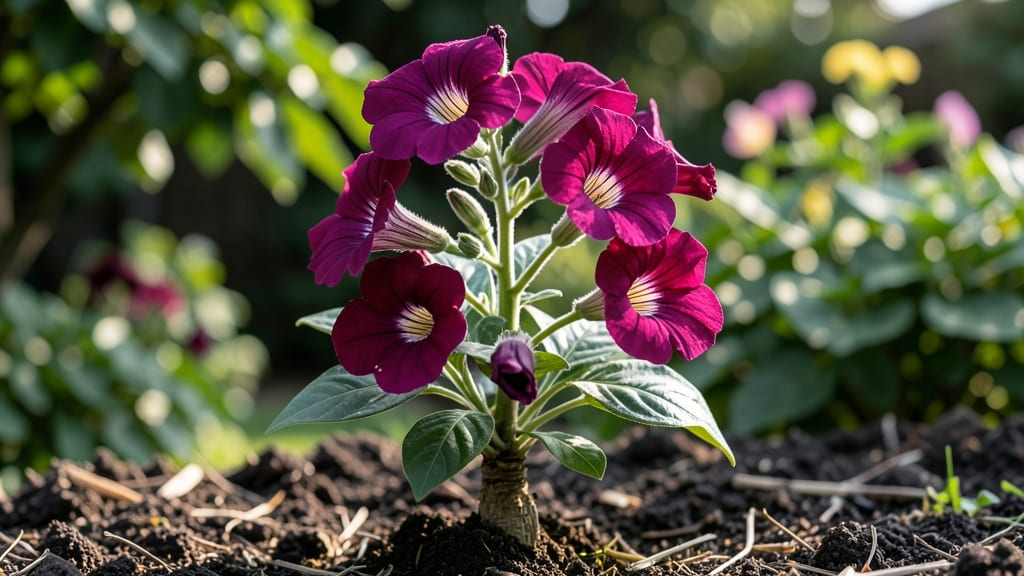
Some purple flowers open and close like a natural clock, unfurling their petals at dawn and retreating by dusk.
Imagine waking up to a garden that magically transforms before your eyes—these blooms aren’t just stunning; they follow their own daily rhythms, turning your outdoor space into a living work of art.
Whether you’re designing a themed border or adding drama to containers, these flowers bring a dynamic element that’s as fascinating as it is beautiful.
From the bold Four O’Clocks that greet the evening to the delicate Evening Primrose that closes at night, these varieties offer more than color—they deliver a mesmerizing show.
Below, we’ll explore 12 of the best purple bloomers with this enchanting habit, plus tips for creating a garden where the show never stops.
Ready to turn your space into a living clock? Let’s dive into the world of flowers that bloom on their own schedule—and how to make them the stars of your garden.
12 Purple flowers that open and close naturally (with timing patterns)
There’s something magical about watching purple flowers unfurl their petals at dawn and retreat by dusk—like nature’s own clockwork. These nyctinastic blooms aren’t just visually stunning; they follow precise daily rhythms tied to sunlight and temperature.
Whether you’re designing a moonlit garden or a sunrise sanctuary, these 12 varieties will add mesmerizing movement to your landscape.
What makes these flowers special is their circadian bloom patterns. Some, like morning glories, burst open at sunrise, while others, such as evening primroses, wait for dusk. Their purple hues range from deep violet to soft lavender, creating a dreamy, ever-changing display.
Below, I’ve curated a list of 12 purple flowers that open and close naturally, complete with their bloom timing, sunlight needs, and hardiness zones to help you plan your garden’s daily rhythm.
| Flower Name | Bloom Time | Sunlight Needs | Hardiness Zones | Height |
|---|---|---|---|---|
| Morning Glory 🌸 | Opens at dawn, closes by noon | Full sun (6+ hours) | 3-9 | 5-15 ft (climbing) |
| Moonflower 🌙 | Opens at dusk, closes by dawn | Full sun to partial shade | 9-11 | 6-10 ft (vining) |
| Evening Primrose 🌹 | Opens late afternoon, closes at night | Full sun | 3-10 | 1-3 ft |
| Four O’Clocks 🌺 | Opens late afternoon, closes by evening | Full sun to partial shade | 9-11 | 2-4 ft |
| Clematis 🌿 | Opens mid-morning, closes at night | Full sun to partial shade | 4-9 | 6-12 ft (climbing) |
| Hibiscus 🌺 | Opens early morning, closes by afternoon | Full sun |
How to create a purple flower garden that blooms on a scheduleDesigning a purple flower garden that unfolds like a living clock isn't just about color—it's about harnessing the natural circadian rhythms of plants. By carefully selecting varieties that open and close at different times, you can create a mesmerizing visual sequence throughout the day. The key lies in understanding each plant's bloom timing and pairing them strategically for maximum impact. Start by grouping morning-openers like morning glories and larkspur near seating areas where you'll enjoy their early displays. Then, add evening-bloomers such as four o'clocks and evening primroses to extend the show into the twilight hours. This layered approach ensures your garden remains vibrant from sunrise to sunset. 5 Key Steps to Synchronize Your Purple Flower Garden
Plan your bloom sequence: Map out which flowers open in the morning, afternoon, and evening. For example, pair clematis (morning) with moonflowers (evening) for a full-day display.
Prep circadian-friendly soil: Amend your soil with compost and organic matter to improve moisture retention and nutrient availability. These purple bloomers thrive in well-draining yet consistently moist soil—critical for maintaining their rhythmic movements.
Water on a schedule: Water deeply in the early morning to hydrate plants before they open. Avoid evening watering, as damp foliage can encourage fungal diseases that disrupt bloom cycles. Aim for 1-1.5 inches of water weekly, adjusting for rainfall.
Use companion planting: Pair purple flowers with complementary plants like lavender (repels pests) or marigolds (deters aphids). This protects your rhythmic bloomers while enhancing the garden's overall harmony. Avoid planting near competitive species like mint, which can stunt growth.
Adjust for seasons: In spring and fall, when days are shorter, some flowers may close earlier. Supplement with LED grow lights (12 hours/day) to extend bloom times if desired. Prune spent blooms regularly to encourage continuous flowering throughout the season.
Don't overlook the role of light and temperature in regulating bloom cycles. Place taller varieties like clematis where they receive 6+ hours of sunlight daily, while shorter four o'clocks can thrive in partial shade. If you live in a hot climate, provide afternoon shade to prevent wilting, which can disrupt their natural rhythms. For a truly magical effect, incorporate scented companions like purple coneflowers or beebalm to attract pollinators during peak bloom times. These additions will not only enhance the visual spectacle but also create a dynamic, living ecosystem that evolves with the sun. With these strategies, your purple flower garden will become a living masterpiece, unfolding and refolding like a natural timepiece. The secret lies in patience—allowing each plant to establish its rhythm before the garden harmonizes into a synchronized display of color and movement. |