
Vegetables
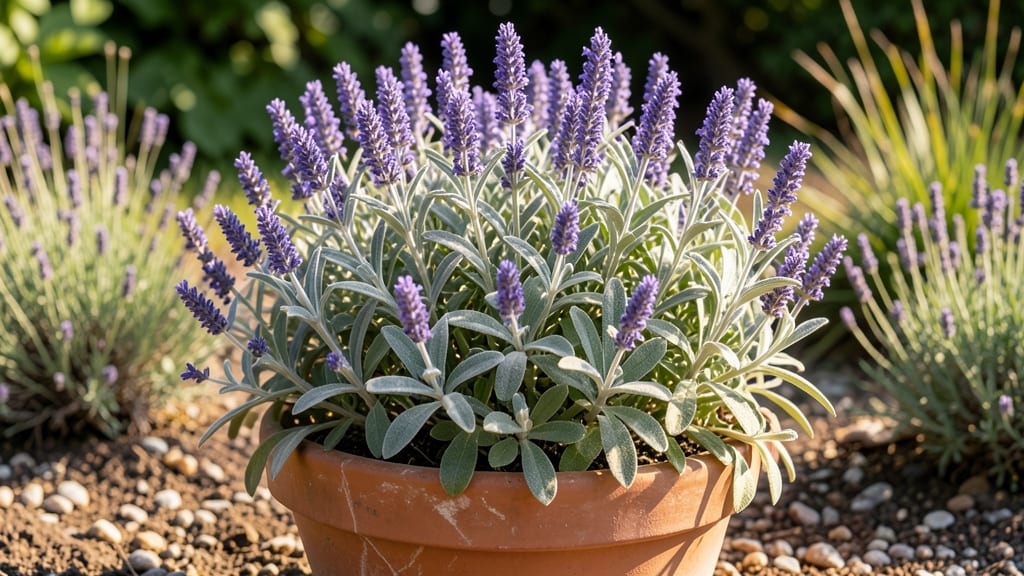
Growing purple sage means purple foliage that stays stunning through every season—even winter. 💜 I’ve had mine survive three winters with almost no extra work, and the secret is in how you prep it for cold months.
This isn’t just a pretty plant; it’s a hardy, low-maintenance workhorse that thrives in heat, drought, and even light frosts.
The key to purple sage’s success starts with full sun and well-draining soil—it hates soggy roots. Plant it in spring or early fall, spacing plants about 18-24 inches apart so they have room to spread.
Water deeply but infrequently; once established, it’s drought-tolerant. Prune lightly in late winter to shape it, but avoid heavy cuts—purple sage grows best when left a little wild.
By summer, you’ll have lush, velvety purple leaves that smell amazing when brushed. It’s perfect for borders, containers, or even as a culinary herb—just use sparingly, as it’s stronger than regular sage. The best part? With minimal winter prep, it comes back stronger every year, looking better than ever.
Whether you’re growing it for color, fragrance, or cooking, purple sage is one of those plants that just keeps giving. Here’s how to get started—and keep it thriving through all four seasons.
📚 In This Guide
- What you need
- Instructions
- Tips and common mistakes
- Wrapping up and next steps
What you need
- ● Purple sage plant: 1 healthy nursery-grown Salvia officinalis 'Purpurascens' (6-12 inches tall, potted or bare-root).
- ● OR seeds (if starting from scratch—requires patience and stratification).
- ● Well-draining soil: 5-10 gallons of loamy, slightly alkaline soil (pH 6.5–7.5). Mix in 1 part perlite or coarse sand per 3 parts soil to improve drainage.
- ○ Optional: Add 1 cup of compost for nutrients (avoid fresh manure—it can harm roots!).
- ● Container or garden bed: For containers: 1–2 12-inch diameter pots with drainage holes (terracotta or fabric grow bags work best).
- ● For in-ground planting: A sunny, sheltered spot with at least 6 hours of sunlight daily and 12–18 inches of soil depth.
- ● Basic tools: 1 hand trowel or garden spade for planting.
- ● 1 watering can or hose with a gentle spray nozzle (avoid overhead watering to prevent fungal issues).
- ● 1 pruning shears (for shaping and harvesting).
- ● Mulch: 2–3 inches of gravel or pine bark mulch to protect roots in winter and retain moisture.
- ● Fertilizer: Balanced, slow-release fertilizer (e.g., 10-10-10) applied once in early spring.
- ● Pest control: Neem oil or insecticidal soap (if aphids or spider mites appear).
- ● Winter protection: 1 burlap wrap or frost cloth (for pots in freezing temps).
- ● 1 small greenhouse or cold frame (to extend growing season).
How to grow purple sage for stunning year-round color
This hardy beauty thrives with almost no fuss—just a few key steps to unlock its vibrant purple foliage.
🌱 Step 1: Choose the Perfect Spot for Sun and Drainage
Purple sage craves full sun—at least 6 hours daily—to maintain its rich color. I always pick the sunniest corner of my garden because even partial shade dulls those striking purple leaves. The soil must drain like a dream; this drought-tolerant plant wilts quickly in soggy conditions.
If your yard has heavy clay, mix in 2-3 inches of gritty sand or gravel to improve drainage. Amend the soil with compost to add nutrients without compacting it. Dig a hole just as deep as the root ball but twice as wide to encourage root spread. Here's the thing—purple sage hates being disturbed once planted, so handle the roots gently during transplanting.
☀️ Step 2: Plant and Water Deeply for Strong Establishment
Set your purple sage plant in the hole and backfill with native soil, pressing lightly to eliminate air pockets. Water immediately after planting to settle the roots—aim for 1 gallon per plant to encourage deep root growth. You'll see the soil surface darken slightly as water penetrates, which tells me the roots are getting what they need.
For the first 2 weeks, water every 2-3 days until the top 3 inches of soil feel dry. After that, purple sage thrives on neglect. Overwatering is the fastest way to kill it—let the soil dry completely between waterings. This plant stores moisture in its woody stems, so frequent shallow watering actually weakens it.
✂️ Step 3: Prune Strategically for Bushier Growth
The secret to lush purple sage is pruning at the right time. After the first flush of spring growth, trim back 1/3 of the oldest stems to encourage new, vibrant shoots. I always use clean, sharp pruners to avoid tearing the stems. Cut just above a set of healthy leaves—never leave stubs.
In late summer, give it a light haircut to shape the plant and remove any leggy growth. This prevents winter dieback and keeps the center from getting too woody. Watch for new growth at the base—this is your signal that the plant is responding well. Purple sage blooms in late spring, so deadhead spent flowers to redirect energy into foliage growth.
🪴 Step 4: Protect Through Winter for Year-Round Color
Purple sage handles light frosts beautifully, but heavy snow or prolonged cold snaps need protection. I mound 3-4 inches of mulch around the base in late fall, using shredded bark or straw. This insulates the roots while allowing airflow to prevent rot. In harsh winters, wrap the plant loosely with burlap—just enough to shield from wind and snow.
Remove winter protection in early spring as soon as new growth appears. Purple sage is incredibly resilient; even if it looks dormant, it's just conserving energy. The first sign of life is tiny purple shoots pushing through the mulch—this is when I know spring has arrived. A light application of balanced fertilizer in early spring jumpstarts growth for another stunning season.
Tips & tricks for perfect purple sage growth
These simple secrets will help you keep your purple sage thriving and vibrant all year long.
Sunlight Secret: Purple sage's color fades dramatically in shade—even just 4 hours of sunlight daily can dull those stunning purple leaves. If your yard has areas with partial shade, consider planting in containers where you can move them to sunnier spots during winter months. The deeper the purple, the more sun it's getting!
Soil Strategy: In Step 1, when amending your soil, focus on creating a loose, airy texture rather than just adding compost. I like to mix in perlite for extra drainage—this plant will literally drown if the soil stays wet. Test your soil's moisture by sticking your finger 2 inches deep; if it's damp, wait before watering again.
Pruning Precision: When you're trimming back that 1/3 of oldest stems in Step 3, look for stems that are woody and less vibrant—they're the ones to remove. New growth will emerge from the base with that gorgeous purple hue. And here's what nobody tells you—cutting just above a leaf node (where leaves grow) encourages bushier growth than cutting randomly.
Winter Protection: That 3-4 inches of mulch in Step 4 is non-negotiable in cold climates. I've seen purple sage survive winters with just mulch, but in Zone 5 and colder, adding burlap creates that extra insulation barrier. Pro tip: Pile mulch higher on the north side of the plant where cold winds hit hardest.
Pro Tips for Purple Sage Growing
- These simple secrets will help you keep your purple sage thriving and vibrant all year long.
- Sunlight Secret: Purple sage's color fades dramatically in shade—even just 4 hours of sunlight daily can dull those s...
- Soil Strategy: In Step 1, when amending your soil, focus on creating a loose, airy texture rather than just adding co...
Frequently asked questions
How fast does purple sage grow, and when can I expect flowers?
Purple sage (Salvia officinalis 'Purpurascens') grows at a moderate pace—about 6 to 12 inches per year under ideal conditions. With proper care, you’ll see fragrant purple blooms in late spring to early summer, though some varieties may rebloom lightly in fall. Prune spent flowers to encourage bushier growth!
Does purple sage survive winter, and how do I protect it?
This hardy herb thrives in USDA Zones 5-9 and often survives mild winters with minimal prep. In colder zones, mulch heavily (3–4 inches) with straw or shredded leaves. For extra protection, wrap young plants in burlap or use a cloche. Avoid heavy snow buildup—gently brush it off!
Can I grow purple sage in containers, and what’s the best soil mix?
Absolutely!
Purple sage adapts well to containers if the pot has drainage holes and is at least 12 inches wide. Use a well-draining mix of 60% potting soil, 30% perlite, and 10% compost. Add a slow-release fertilizer in spring to boost growth. Rotate pots occasionally for even sunlight exposure.
What pests or diseases should I watch for, and how do I treat them?
The biggest threats are aphids, spider mites, and whiteflies. Spray infested plants with neem oil or insecticidal soap weekly until pests vanish. For fungal issues (like powdery mildew), improve airflow and apply copper fungicide. Overwatering is the #1 cause of root rot—let soil dry slightly between waterings!
Can I harvest purple sage leaves year-round, or is there a best time?
You can lightly harvest leaves anytime, but spring and early summer yield the most flavorful, aromatic foliage. Avoid cutting more than 1/3 of the plant at once to encourage regrowth. For culinary use, harvest just before flowering for the strongest sage flavor—perfect for stuffing, teas, or roasted dishes!
Wrapping up and next steps
Growing purple sage is a rewarding journey that brings vibrant color and resilience to your garden with minimal effort—especially when you prep it right for winter. Whether you’re a seasoned gardener or just starting, this hardy plant thrives with the right care, offering year-round beauty that’s almost effortless. 🌿
Ready to transform your space? Start small—plant a few purple sage bushes this season, experiment with companion plants, and watch your garden flourish! For extra tips or troubleshooting, revisit our FAQ section or explore essential supplies to keep your purple sage happy all year.