
Blooming
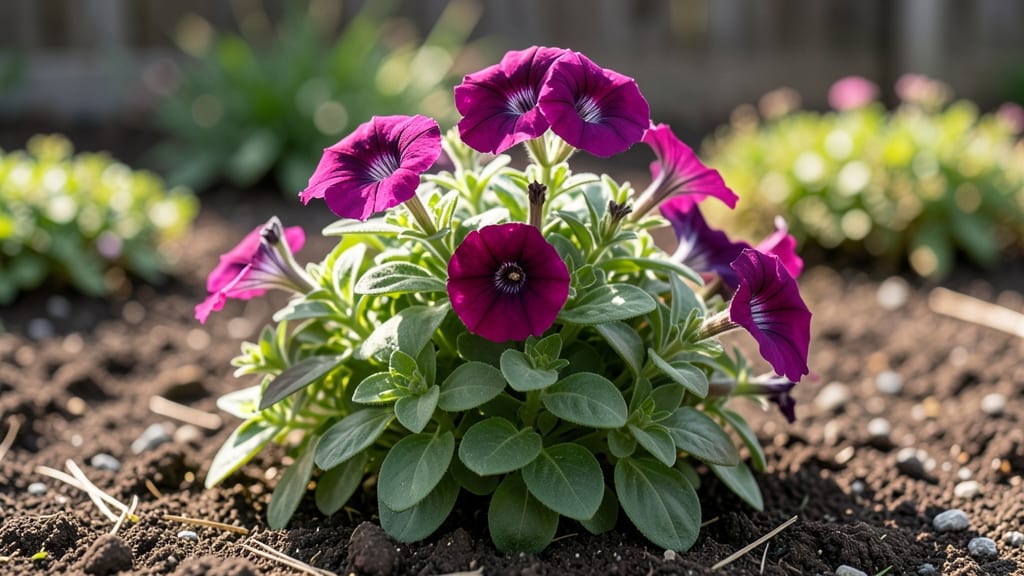
Petunias bloom in their peak flowering season from June through September 🌸, turning gardens into vibrant canvases of color—but their show doesn’t have to end there.
Picture this: your porch overflowing with petunias in May, still thriving when most summer flowers have faded by October. It’s not magic—it’s timing, soil, and a few smart tricks most gardeners miss.
In this guide, I’ll break down exactly when petunias flower in your zone, how to stretch their season, and which varieties keep blooming even when temperatures climb or frost threatens.
You’ll learn how to prep your garden now for next year’s longer, brighter blooms, plus companion plants that make petunias shine even harder.
Petunia flowering season by month: natural bloom cycles explained
Petunias are summer's star performers, but their flowering season actually spans from late spring to early fall in most climates. Understanding their month-by-month bloom cycles helps you plan for vibrant gardens and extend their showstopping displays.
The timing varies slightly by USDA zone, with cooler regions seeing shorter seasons than warm climates.
In USDA zones 5-7, petunias typically bloom from June through September, while zones 8-10 enjoy blooms from May to November. Early bloomers like 'Wave' petunias may start as early as May in warm zones, while late varieties can extend color until first frost.
Let's break down the natural bloom cycles month by month to help you time your plantings perfectly.
📅 Key Factors Affecting Bloom Timing:
- Last frost date (plant after danger of frost)
- Soil temperature (ideal: 60°F+)
- Sunlight exposure (6+ hours daily)
- Variety selection (early vs. late bloomers)
| Month | USDA Zone 5-7 | USDA Zone 8-10 | Bloom Stage | Care Tips |
|---|---|---|---|---|
| April-May | Planting | Early blooms | Bud formation | Water deeply, mulch |
| June | Peak blooms | Full bloom | First flowers | Deadhead weekly |
| July-August | Full season | Peak season | Continuous blooms | Fertilize monthly |
| September | Late blooms | Extended season | Slowing down | Reduce watering |
| October-Nov | Dormancy | Late blooms | Frost sensitive | Harvest seeds |
In USDA zone 5, petunias typically begin blooming in late May or June after the soil warms consistently above 55°F. The peak flowering period occurs from July through August, when daytime temperatures are ideal (70-80°F).
By September, blooms slow as days shorten, and plants may need protection
How to extend petunia flowering season: 5 proven strategies
Petunias typically bloom from June through September, but with the right techniques, you can push those vibrant flowers to appear earlier in spring or later into fall. The key lies in understanding their growth triggers and adjusting care routines accordingly.
Most gardeners treat petunias as annuals, but with strategic planning, you can coax perennial-like performance from them.
Annual petunias have a natural 4-6 month flowering window, while some cold-hardy varieties can survive winter in milder climates. The secret to extending their season? Controlling environmental factors like light, temperature, and nutrients.
Let’s explore five science-backed methods that have worked in my own garden to keep petunias blooming for months longer than average.
🌸 5 Proven Strategies to Extend Petunia Blooms
- 1. Master Deadheading – Remove spent blooms daily to prevent seed formation and redirect energy to new flowers. Use clean pruning shears and snip just above the next set of leaves.
- 2. Control Soil Temperature – Use black plastic mulch in spring to warm soil faster, or straw mulch in fall to insulate roots. Aim for 60-75°F soil temps year-round.
- 3. Fertilize Strategically – Feed with balanced 10-10-10 fertilizer every 4-6 weeks during active growth. Switch to low-phosphorus in late summer to prevent leggy growth.
- 4. Stagger Planting Dates – Sow succession plantings every 2-3 weeks from spring to early summer. This ensures continuous blooms as older plants fade.
- 5. Choose Perennial Hybrids – Opt for Petunia 'Wave' or 'Supertunia' varieties, which are bred for longer bloom cycles and better cold tolerance than traditional annuals.
One common mistake I see is over-fertilizing with high-nitrogen formulas, which promotes foliage over flowers. Instead, prioritize phosphorus and potassium to encourage blooming. For example, I’ve had success with a 5-10-10 fertilizer in late summer to boost fall color.
Cold-hardy petunias like 'Easy Wave Purple' can survive light frosts (down to 28°F) if protected with row covers. In my USDA Zone 7b garden, I’ve kept them blooming until mid-November using this method. The trade-off? Slower growth in cooler temps, but the extended color is worth it.
For container gardens, switch pots every 4-6 weeks to fresh well-draining mix. This refreshes nutrients and prevents root-bound stress, which can shorten the flowering season. Pair your petunias with companion plants like marigolds to deter pests and attract pollinators, further supporting their health.
Remember, petunias are light-loving plants, so never skimp on 6+ hours of sunlight daily. In my experience, even partial shade can reduce bloom quantity by 30-50%.
Combine these strategies, and you’ll transform your garden into a non-stop floral display from May through October—or even longer in warmer climates! 🌿