
How To
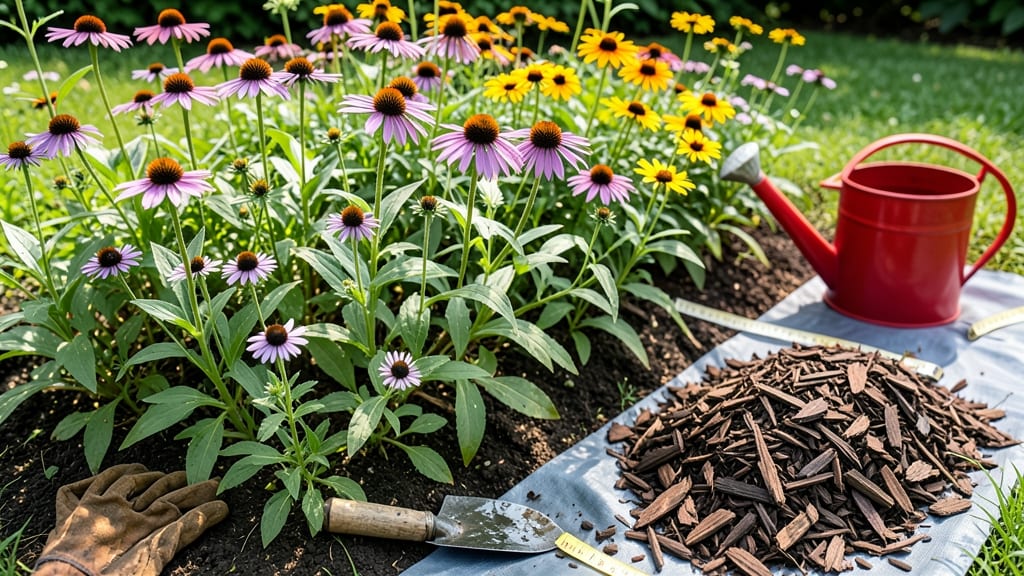
To make a flower bed that stays vibrant all year, start with a layered design that blends height, color, and seasonal blooms for effortless curb appeal.
Picture this: a blank patch of soil transformed into a lush, colorful canvas that changes with each season—without requiring constant replanting. The key is choosing the right plants and arranging them in layers, so taller varieties frame shorter ones while filling in gaps as blooms fade.
You don’t need a green thumb to pull this off. With the right soil prep, strategic spacing, and a few mulching tricks, even beginners can create a flower bed that thrives with minimal upkeep.
Below, I’ll walk you through the step-by-step process, from sketching your design to selecting plants that bloom back-to-back for nonstop color.
Whether you’re refreshing an old bed or starting from scratch, these practical tips will help you avoid common mistakes and keep your flower bed looking polished for years. Let’s get started!
Step-by-step guide to designing a layered flower bed layout
A layered flower bed creates depth and visual interest by combining plants of varying heights and bloom times. Start by sketching your design on paper, marking the sunlight exposure and existing features. This ensures your seasonal color transitions will thrive year-round.
Begin with the back row using tall perennials like black-eyed Susans or coneflowers, which reach 3-4 feet tall. These act as your vertical anchors and provide structure. Next, add mid-height plants like beardstongue or Russian sage at 2-3 feet for mid-level interest.
Step-by-Step Flower Bed Design
-
Step 1: Plan Your Layout
Sketch your design on graph paper, noting sunlight zones, existing plants, and bed dimensions. Use a 3:1 ratio of perennials to annuals for long-term color.
-
Step 2: Prepare the Soil
Remove weeds and loosen soil to a depth of 12 inches. Mix in 2-3 inches of compost and organic matter like aged manure. Test soil pH (ideal: 6.0-7.0 for most flowers).
-
Step 3: Choose Your Layers
Back Row: Tall perennials (3-4 ft) like Joe Pye weed or phlox. Middle Row: Medium plants (1.5-2.5 ft) like daylilies or catmint. Front Row: Low-growing annuals (6-12 in) like pansies or sweet alyssum.
-
Step 4: Plant with Spacing
Follow plant spacing guidelines (check tags for mature sizes). Leave 12-18 inches between tall plants and 6-12 inches for smaller varieties. Group 3-5 plants of the same type for a natural look.
-
Step 5: Add Seasonal Interest
Include spring bulbs (tulips, daffodils), summer annuals (marigolds, zinnias), and fall foliage (Japanese anemones, asters). Add winter interest with ornamental grasses or evergreen shrubs.
-
Step 6: Mulch and Water
Apply 2-3 inches of mulch (shredded bark or straw) to retain moisture and suppress weeds. Water deeply 1-2 times per week for the first month, then adjust based on rainfall.
-
Step 7: Maintain Year-Round
Deadhead spent blooms, fertilize in spring (10-10-10), and prune perennials in early spring. Replace annuals every 1-2 years for fresh color.
For the front row, use low-growing annuals like pansies or sweet alyssum to spill over the edges. These plants add texture and color while filling gaps. Incorporate foliage plants like heuchera or hostas for year-round interest, even when flowers aren’t blooming.
Don’t forget to consider seasonal blooms. Plant spring bulbs like tulips or daffodils in fall for early color, then layer in summer annuals like zinnias or marigolds. Add fall-blooming perennials such as asters or sedum to extend your garden’s season.
After planting, apply a 2-3 inch layer of mulch to retain moisture, suppress weeds, and protect roots. Water deeply 1-2 times per week for the first month, then adjust based on rainfall. Fertilize lightly in spring and fall with a balanced 10-10-10 formula to encourage healthy growth.
To keep your layered flower bed thriving, deadhead spent blooms regularly, prune perennials in early spring, and replace annuals every 1-2 years. This ensures your garden remains vibrant and low-maintenance while providing year-round color.
With these steps, your flower bed will become a stunning focal point that evolves with the seasons. The key is planning ahead—mixing heights, textures, and bloom times—to create a dynamic, ever-changing display.
🌸
Best flower combinations for seasonal color transitions
Creating a flower bed that blooms beautifully year-round requires thoughtful plant pairings that transition seamlessly from one season to the next. By combining perennials, annuals, and foliage plants, you can ensure your garden stays vibrant from spring through winter.
The key is selecting plants with staggered bloom times and complementary colors.
Start with spring bloomers like tulips and daffodils, which give way to summer favorites such as coneflowers and black-eyed Susans. For fall, add mums and asters, while winter interest comes from ornamental grasses and evergreen shrubs.
This layered approach keeps your flower bed dynamic and full of life.
Color harmony is another critical factor. Pair cool tones like purple clematis with warm hues such as orange daylilies for a striking contrast. You can also use foliage plants like heuchera or hostas to tie the seasons together with their ever-changing leaves.
| Season | Plant Combination | Height Range | Sunlight Needs |
|---|---|---|---|
| Spring | Tulips + Bleeding Heart + Pansies | 6-24 inches | Full Sun to Partial Shade |
| Summer | Coneflowers + Black-Eyed Susans + Salvia | 12-36 inches | Full Sun |
| Fall | Mums + Asters + Russian Sage | 12-48 inches | Full Sun to Partial Shade |
| Winter | Ornamental Grasses + Hellebores + Winter Jasmine | 12-36 inches | Partial Shade to Full Sun |
When planning your flower bed, consider the mature size of each plant to avoid overcrowding. For example, place tall perennials like bee balm at the back, medium-height flowers like daylilies in the middle, and low-growing annuals such as pansies at the front.
This creates a natural tiered effect that enhances visual appeal.
Don’t forget to incorporate foliage plants for texture and year-round interest. Plants like heuchera or hostas provide lush greenery that contrasts beautifully with blooming flowers. Their leaves change color with the seasons, adding another layer of visual interest to your garden.
Finally, group plants with similar watering needs together to simplify maintenance. For instance, drought-tolerant lavender and sedum can be paired with succulents for low-water areas, while moisture-loving impatiens and coleus thrive in shadier, wetter spots. This thoughtful arrangement ensures your flower bed remains healthy and stunning with minimal effort.