
Blooming
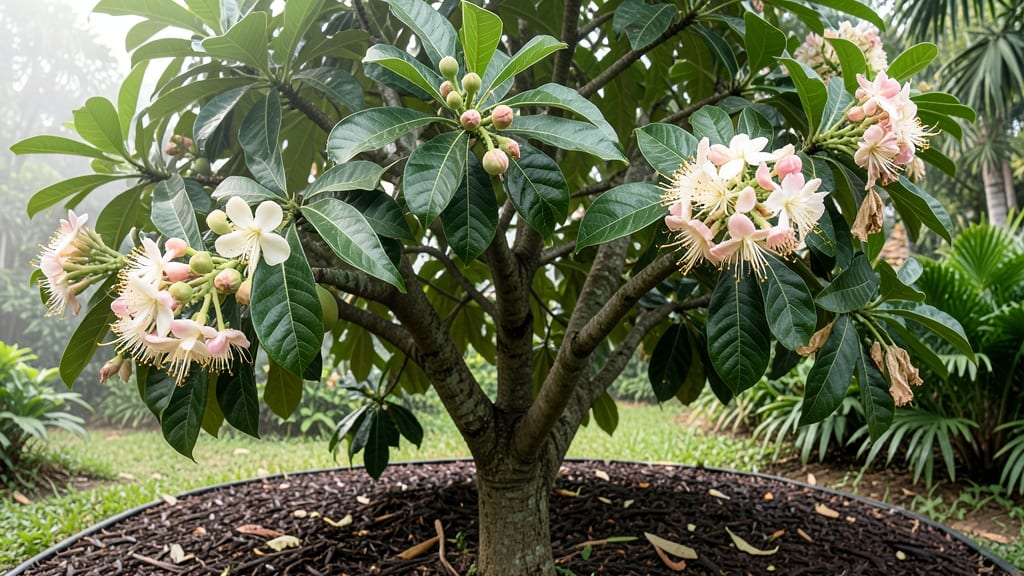
The mango tree flowering stages 🥭 are a delicate dance between nature and your care—missing a single step can mean the difference between a bountiful harvest and a tree that blooms beautifully but bears little fruit.
Watching your mango tree bloom for the first time can feel like waiting for a tropical miracle—but knowing the exact flowering stages each month is the secret to maximizing fruit production. Miss a step, and your tree might skip heavy fruit set entirely.
From the first signs of panicle formation in late winter to the peak bloom period, each stage depends on temperature, humidity, and even your pruning habits. In Tropical/Subtropical zones (e.g., Florida, Hawaii, or California Coastal), timing is everything.
Below, I break down what to expect month by month, how to support pollination, and the critical care tips that ensure your mango tree doesn’t just flower—it fruits like a champion.
Month-by-month breakdown of mango tree flowering stages
Understanding your mango tree's flowering stages is key to predicting fruit set and adjusting care. In tropical zones (USDA 10-12), blooms appear year-round, while subtropical areas (Zone 9b) see peak flowering from January to March.
Each month brings distinct visual cues—from tiny panicle buds to fragrant white blossoms—that signal progress toward fruit production.
Flowering success hinges on temperature consistency (ideal: 75-85°F) and humidity levels above 50%. In cooler subtropical zones, late winter chills (below 60°F) can delay bud formation.
Meanwhile, overwatering or nutrient imbalances often cause premature flower drop, wasting your tree’s energy. Tracking these stages monthly ensures you’re ready to support pollination and fruit development.
Visual cues like bud color shifts (green → pink → white) and scent changes (from sweet to musky) mark each phase. For example, January panicles start as fuzzy green clusters, while March blooms release a strong fragrance—perfect timing for hand-pollination if needed. Missing these signals means missed opportunities for heavy fruit set.
In January, your mango tree’s panicle formation begins with tiny green buds along branches. These fuzzy clusters are your first sign of impending blooms. If your tree is in a subtropical zone (e.g., Florida’s inland areas), cold snaps below 60°F can stunt this stage—so monitor nighttime temps closely.
Prune any dead or crossing branches now to improve airflow and reduce disease risk.
By February, those buds start developing pink tips and emit a faint sweet scent. This is your cue to fertilize with potassium (like a 6-6-6 blend) to support flower health.
Thin dense foliage to prevent humidity buildup, which can trigger fungal issues like powdery mildew. In tropical zones, this stage may overlap with year-round blooming, so stay vigilant.
The peak bloom in March is the most dramatic phase, with white, fragrant flowers covering the tree. This is when hand-pollination pays off—especially if your area lacks bees. Gently shake branches or use a small brush to transfer pollen between flowers.
Reduce watering slightly to prevent flower drop; soggy soil stresses the tree during this critical phase.
After blooms fade in April, you’ll spot pea-sized fruits forming. This is the fruit set stage, where thinning is essential. Space fruits 6 inches apart to ensure larger, healthier mangoes.
Watch for fruit flies and mango hoppers, which target young fruit. In subtropical zones, a second flowering flush may begin—repeat your care steps to maximize production.
Pro tip: Keep a flowering journal to track your tree’s unique timeline. Note bud color changes, scent intensity, and any environmental stressors (like heatwaves or pests). Over time, you’ll predict flowering patterns and adjust care to boost fruit set year after year.
For tropical growers, flowering can occur year-round, but heavy fruit set typically aligns with warmer, wetter months. In subtropical areas, align your care with the January–March window to avoid missing the boat on fruit production.
With this month-by-month guide, you’ll turn your mango tree’s blooms into a bountiful harvest.
🌱
Critical factors that influence flowering success (and how to optimize them)
Your mango tree’s flowering success hinges on a delicate balance of environmental and care factors. The wrong temperature, nutrient imbalance, or pruning timing can trigger flower drop or poor fruit set.
For example, suboptimal potassium levels (below 1%) often cause blooms to abort before fruiting. Understanding these variables lets you intervene before problems arise.
One of the most critical factors is temperature management. Mango trees thrive when daytime temps stay between 75°F–90°F during flowering. Nighttime temps below 60°F can shock buds, while prolonged heat above 95°F stresses the tree.
In cooler zones like USDA 9b, young trees may need row covers to protect blooms from unexpected chills.
Sunlight exposure is equally vital. Mango trees require full sun (6+ hours daily), but excessive afternoon shade can weaken flower development.
If your tree is in a subtropical climate with partial shade (e.g., near other tall trees), consider pruning nearby foliage to restore direct sunlight to the canopy’s inner branches.
Optimizing Mango Tree Flowering Factors
✅ Pros of Correct Care
- Heavy fruit set (3x more blooms convert to fruit)
- Larger, sweeter mangoes (optimal nutrient ratios)
- Reduced flower drop (stable temperature/humidity)
- Stronger tree health (less stress from pruning/nutrients)
❌ Cons of Neglect
- 90% flower drop (nutrient deficiencies)
- Stunted growth (poor sunlight or over-pruning)
- Small, bitter fruit (temperature stress)
- Increased pests (weakened tree from imbalance)
Pruning timing is another game-changer. Avoid heavy pruning 6 months before flowering (typically July–August in subtropical zones). Instead, focus on light shaping cuts in late winter to encourage panicle formation. Remove only dead or crossing branches—never more than 25% of the canopy at once.
Finally, nutrient balance is non-negotiable. A 6-6-6 NPK fertilizer (or 8-3-9 for fruiting trees) supports flowering, but magnesium and zinc deficiencies often go unnoticed until buds fail.
Yellowing between leaf veins? That’s a magnesium deficiency—apply Epsom salt (1 tbsp per gallon of water) every 2 weeks until new growth appears.
If your mango tree skips flowering entirely, check for root-bound conditions or overwatering. Repot young trees or improve drainage with sand or perlite. For mature trees, a deep root feed (like fish emulsion) can stimulate dormant buds.
Patience is key—some varieties need 3–5 years to mature enough for consistent blooms.
By mastering these factors, you’ll transform your mango tree from a frustratingly slow grower into a fruit-bearing powerhouse. Start with one adjustment (e.g., temperature protection or fertilizer tweaks) and track progress over 2 flowering cycles. Your future harvest will thank you! 🌱🌿