
Blooming
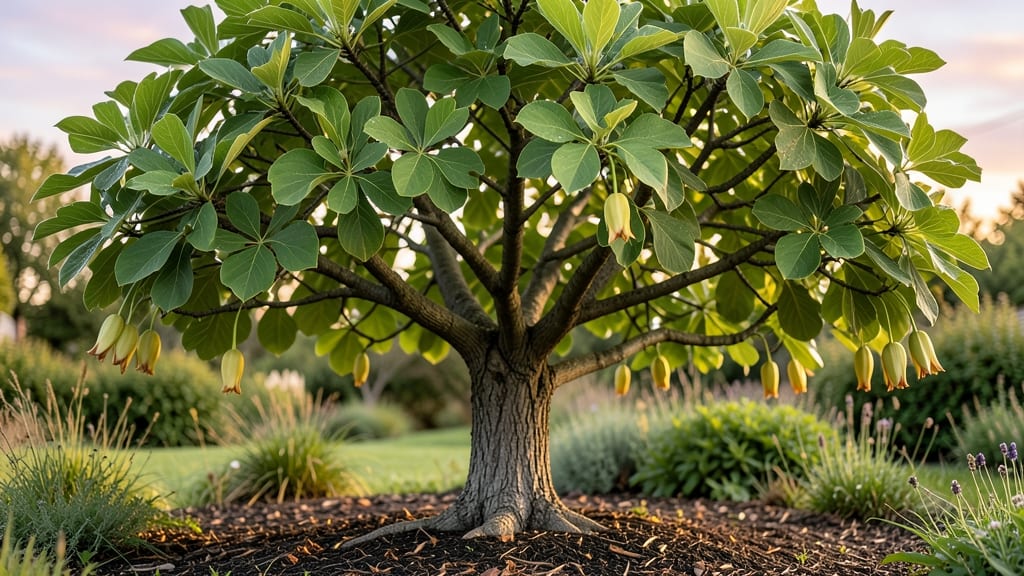
The tulip tree flowering time is a breathtaking spectacle in late spring, typically between May and June, when its iconic tulip-shaped flowers light up the landscape 🌳.
If you’ve ever wondered why your tulip tree isn’t blooming when expected, the answer lies in your climate zone—and knowing the exact months for tulip tree flowering time can transform your patience into anticipation.
In warmer zones like 8-9, blooms may start as early as April, while cooler zones like 4-6 often see flowers appearing in early June. Temperature swings, soil health, and even pruning habits can shift that timeline by weeks.
Below, I’ll break down the month-by-month flowering windows by USDA zone, plus practical tips to encourage earlier or later blooms so you can plan your garden around this stunning shade tree’s showstopper display.
Tulip tree flowering time by USDA climate zone: month-by-month breakdown
The tulip tree (Liriodendron tulipifera) is one of the most striking native trees in North America, thanks to its showy tulip-shaped flowers that appear in late spring.
However, the exact flowering time varies dramatically by USDA climate zone, with blooms appearing as early as April in warm zones or as late as June in cooler regions. Understanding these patterns helps you time pruning, fertilizing, and landscape planning for peak impact.
Tulip trees typically bloom on new wood (growth from the current year), so late winter pruning can influence when and how intensely they flower. In USDA zones 8-9, you might even see two bloom cycles per year—a rare treat for gardeners!
Meanwhile, trees in zones 4-5 often wait until after the last frost before bursting into color, making timing critical for early spring garden displays.
| USDA Zone | Early Bloom Window | Peak Bloom | Late Bloom Window | Key Notes |
|---|---|---|---|---|
| 4-5 | Mid-May | Late May - Early June | Early June | Waits for soil temps >50°F; frost-sensitive blooms |
| 6-7 | Late April | Early May | Mid-May | Reliable blooms; prune after flowering |
| 8-9 | March - Early April | April | May (second flush possible) | Early blooms; heat-tolerant flowers |
In USDA zones 4-5, tulip trees often wait until late May or early June to bloom, aligning with soil temperatures above 50°F. This delay is nature’s way of protecting flowers from late frosts, which can damage delicate blooms.
If you’re in zone 5 and notice buds forming in April, cover them with frost cloth to safeguard your investment.
Gardeners in zones 6-7 enjoy the sweet spot for reliable tulip tree blooms, typically from late April through May. Here, trees often bloom consistently year after year with minimal stress.
The key is to prune after flowering (June-July) to encourage next year’s blooms on new growth. Avoid heavy pruning in winter, as this removes potential bloom sites.
Southern gardeners in zones 8-9 get the earliest and sometimes double blooms, with flowers appearing as early as March and lasting into May. Some trees even produce a second flush of blooms in late summer if conditions are ideal.
However, heat waves above 90°F can shorten bloom duration, so adequate watering is critical during dry spells.
To extend your tulip tree’s flowering season, focus on soil health and sunlight exposure.
Amend clay-heavy soils with compost or sand to improve drainage, and ensure the tree gets at least 6 hours of direct sun daily. Mulching in early spring helps warm the soil faster, potentially triggering earlier blooms in cooler zones.
If your tulip tree isn’t blooming when expected, check for over-pruning or nutrient deficiencies. Young trees (under 10 years old) may focus energy on growth rather than flowers.
Apply a balanced fertilizer (10-10-10) in early spring to encourage stronger flowering in subsequent years. Avoid heavy nitrogen, which promotes leafy growth at the expense of blooms.
For landscape timing, plan to plant tulip trees 4-6 weeks before your last frost date in zones 4-6. In warmer zones (7-9), fall planting can give roots time to establish
How to predict your tulip tree’s flowering time based on local weather patterns
Predicting when your tulip tree (Liriodendron tulipifera) will bloom isn’t just about checking a calendar—it’s about reading your local microclimate like a pro. These trees typically flower in late spring, but exact timing depends on frost dates, temperature trends, and even soil warmth.
Understanding these patterns lets you adjust your expectations and even nudge blooms earlier or later if needed.
Start by tracking your last average frost date in spring, as tulip trees need consistent warmth to break dormancy. In USDA Zone 6a (like my garden), blooms usually appear in mid-to-late April, but in warmer zones (7-9), they can start as early as March.
Cooler zones (like Zone 5) may see blooms delayed until May.
Monitor frost-free dates
Use your local National Weather Service data to find your last frost date. Tulip trees bloom 4-6 weeks after the last frost when soil temps hit 50°F (10°C) consistently.
Watch for bud swell
Inspect buds in early spring. When they double in size (usually 2-3 weeks before blooming), mark your calendar—this is your bloom window starting soon.
Adjust for microclimates
South-facing slopes or urban heat islands can trigger blooms 1-2 weeks earlier. Conversely, low-lying areas or northern exposures may delay them by 10 days or more.
Encourage earlier blooms
Apply a balanced fertilizer (10-10-10) in early spring to boost energy reserves. Mulch with 3 inches of organic matter to retain soil warmth and speed up dormancy break.
Delay blooms with pruning timing
Prune immediately after blooming (late May) to redirect energy to next year’s buds. Avoid pruning in late summer/fall, which can stress the tree and delay flowering.
For gardeners in cooler climates (Zones 4-5), a late frost can damage emerging buds, so consider planting near a south-facing wall to create a warmer microclimate. In warmer zones (7-9), tulip trees may bloom earlier but more sporadically—consistent watering helps maintain steady growth.
Pro tip: Use a garden journal to track bloom dates over 3-5 years. This helps you spot trends, like earlier blooms in El Niño years or delays after harsh winters.
My tulip tree in Zone 6a now blooms 3 days earlier each year after I started recording these details!
Remember, tulip trees are heavy bloomers—once they start, they’ll cover your yard in yellow-green tulip-shaped flowers for 2-3 weeks. With these tips, you’ll never miss their stunning display again! 🌳