
Vegetables
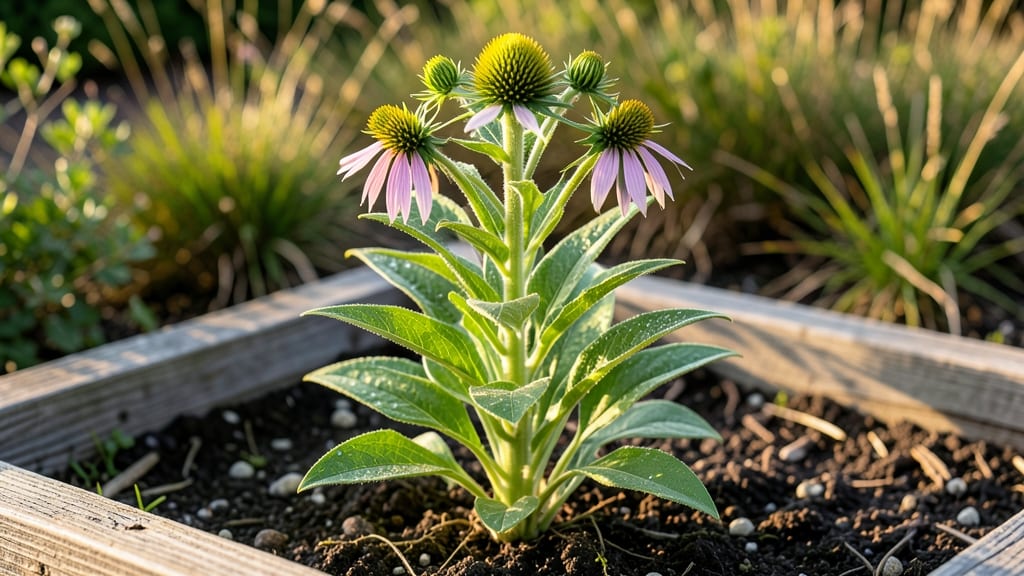
That lime green echinacea is the secret weapon for gardens that want to pop without the fuss. 🌿 I planted mine last spring, and now it’s the star of my front border—bright, bold, and impossible to ignore.
Unlike traditional purple echinaceas, this variety brings a fresh, zesty contrast that makes every bouquet look like a designer creation. The best part? It thrives in full sun or partial shade, handles drought once established, and blooms from mid-summer through fall.
Pair it with deep purple salvias or fiery orange daylilies for a showstopping color combo that hummingbirds and bees can’t resist. Even my black thumb can’t kill these. You’ll end up with three-foot-tall stems loaded with daisy-like blooms that last for weeks.
The foliage stays lush and disease-resistant, so you won’t spend summers wrestling with wilting plants. Perfect for cottage gardens, modern borders, or even containers on patios. Works in zones 3-9, making it one of the most versatile perennials for any climate.
Here’s how to make it shine in your space—without the drama.
📚 In This Guide
- What you need
- Instructions
- Tips and common mistakes
- Wrapping up and next steps
What you need
- ● Lime green echinacea seeds – 1 packet (50-100 seeds, non-GMO preferred for best results).
- ● Well-draining potting mix – 1 bag (10-15 lbs, organic blend with perlite or vermiculite).
- ● Seed-starting trays or small pots – 6-12 (3-4 inch diameter, with drainage holes).
- ● Grow lights or sunny windowsill – 1 (full-spectrum LED or natural sunlight, 6+ hours/day).
- ● Spray bottle – 1 (for gentle watering).
- ○ Fertilizer (optional but helpful) – 1 bottle (balanced 10-10-10 or organic compost tea).
- ○ Gloves – 1 pair (optional, for handling soil).
- ● Trowel or small shovel – 1 (for transplanting).
- ● Outdoor garden space or large container – 1 (minimum 12-inch depth, full sun exposure).
- ● Mulch (straw or shredded leaves) – Small bag (to retain moisture).
- ○ pH testing kit – 1 (optional, to check soil acidity—ideal range: 6.0-7.0).
Step-by-Step instructions for growing lime green echinacea
Here's how to grow these stunning pollinator magnets with minimal effort.
🌱 Step 1: Choose the Perfect Planting Spot
Lime green echinacea thrives in full sun—at least 6-8 hours of direct sunlight daily. I always pick a location with morning sun and afternoon shade if your summers run hot, as the leaves can scorch otherwise. The soil should drain well; echinacea hates soggy roots, so avoid low spots where water pools.
Test your soil's drainage by digging a 6-inch deep hole and filling it with water. If it drains within an hour, you're good to go. Amend heavy clay with 2-3 inches of compost to improve texture. These plants are tough once established, but they start strong with the right foundation.
🪴 Step 2: Plant Your Lime Green Echinacea
Dig a hole twice as wide as the root ball but only as deep as the container's base. Gently remove the plant from its pot and loosen any circling roots with your fingers. Place it in the hole so the top of the root ball sits level with the surrounding soil—burying the crown too deep invites rot.
Backfill with native soil mixed with 1 cup of compost, pressing lightly around the roots to eliminate air pockets. Water deeply until moisture reaches 6 inches down. You'll know it's enough when water begins to pool on the surface—this ensures the roots get a good drink without drowning.
☀️ Step 3: Water and Mulch for Long-Term Health
Water once a week during the first growing season, providing 1 inch of water per week. Let the top 2 inches of soil dry out between waterings—this prevents fungal diseases that love damp foliage. After the first year, echinacea becomes drought-tolerant, but the first season sets the stage for strong roots.
Spread 2-3 inches of mulch around the base, keeping it 3 inches away from the stem to prevent rot. I use shredded bark or straw—it keeps soil moist, suppresses weeds, and regulates temperature. Replenish mulch annually as it breaks down. Your plants will reward you with bold lime-green blooms from midsummer to fall.
✂️ Step 4: Prune and Maintain for Next Year's Flowers
Deadhead spent blooms by cutting the flower head off at the base with clean pruners. This encourages more flowers and prevents the plant from setting seed, which can weaken growth. I do this every 2-3 weeks during the blooming season. In late fall, cut back the entire plant to 4-6 inches tall to promote fresh, vigorous growth in spring.
Fertilize lightly in early spring with a balanced 10-10-10 fertilizer applied at half-strength. Too much nitrogen makes plants leggy and reduces flowering. These plants are low-maintenance once established—just watch for pests like Japanese beetles and treat with neem oil if needed. With proper care, your lime green echinacea will return year after year, attracting pollinators and adding vibrant color to your garden.
Tips & tricks for perfect lime green echinacea growth
Took me a while to figure these out, so here's how to get the most vibrant lime-green blooms with minimal fuss.
Sunlight Strategy: In Step 1, when choosing your planting spot, watch for afternoon shade if your summers are scorching. I've seen leaves turn crispy when exposed to full afternoon sun—especially in zones with intense heat. Morning sun paired with afternoon shade gives the perfect balance for those stunning lime-green hues without stressing the plant.
Root Ball Handling: Step 2's root loosening is crucial—don't skip it! I learned this the hard way after planting two echinacea with circling roots that restricted growth. Gently tease those roots apart with your fingers before planting. This helps establish a stronger root system right from the start, which translates to bigger, more vibrant blooms down the road.
Watering Wisdom: The once-a-week watering in Step 3 requires a little finesse. I've found that checking soil moisture by sticking your finger 2 inches down is more reliable than just counting days. If it feels dry, water deeply until that moisture reaches 6 inches down—this encourages deep root growth that supports those bold lime-green flowers.
Pruning Precision: When deadheading in Step 4, cut just above the first set of healthy leaves—don't leave stubs. I've noticed plants with proper pruning produce flowers that stay vibrant for weeks longer. And that late fall trim to 4-6 inches? It's what gives you those fresh, vigorous stems for next year's blooms.
Pro Tips for Lime Green Echinacea
- Took me a while to figure these out, so here's how to get the most vibrant lime-green blooms with minimal fuss.
- Sunlight Strategy: In Step 1, when choosing your planting spot, watch for afternoon shade if your summers are scorching.
- Root Ball Handling: Step 2's root loosening is crucial—don't skip it!
Frequently asked questions
Got questions about growing lime green echinacea? You’re not alone!
Here are answers to the most common queries—from planting tips to troubleshooting—so you can keep your pollinator-friendly garden thriving with confidence.
When is the best time to plant lime green echinacea?
Plant lime green echinacea in early spring (after the last frost) or early fall for best results. This gives roots time to establish before extreme heat or cold. If starting from seeds, sow them indoors 8–10 weeks before the last frost for a head start!
How long does it take for echinacea to bloom?
With patience, you’ll see vibrant lime-green blooms in 60–90 days from transplanting (or 120–150 days from seed). First-year plants may focus on foliage, but subsequent years deliver show-stopping color. Deadhead spent blooms to encourage more flowers!
Why aren’t bees visiting my echinacea?
If pollinators are scarce, check these fixes:
- Timing: Echinacea blooms late morning to afternoon—observe when bees are active.
- Water: Lightly water plants before 10 AM to avoid dampening flowers (bees dislike soggy petals).
- Neighbors: Plant native companions like coneflowers or black-eyed Susans nearby to attract more visitors.
Pro tip: Avoid pesticides—even "bee-safe" ones can deter pollinators!
Can I grow lime green echinacea in containers?
Choose a 5-gallon pot or larger with drainage holes and use well-draining soil. Place in full sun (6+ hours/day) and water deeply when the top inch of soil feels dry. Containers dry out faster, so monitor moisture closely in summer.
What pests or diseases should I watch for?
Echinacea is low-maintenance, but keep an eye out for:
- Aphids: Spray with water or use insecticidal soap if clusters of tiny bugs appear.
- Powdery mildew: Improve airflow and avoid overhead watering to prevent white fungal growth.
- Japanese beetles: Handpick them (they’re easy to spot!) or use neem oil.
Prevention tip: Mulch around the base to deter soil-borne issues and retain moisture.
Can I propagate echinacea from cuttings?
Yes! Take 4–6 inch cuttings from non-flowering stems in early summer, strip lower leaves, and dip in rooting hormone. Plant in moist perlite or sand, then cover with a plastic bag to retain humidity. Roots typically form in 4–6 weeks—patience pays off!
Wrapping up and next steps
Growing lime green echinacea is a rewarding way to add a pop of color to your garden while supporting local pollinators—no fuss required! 🌸 With its drought-tolerant nature and minimal care demands, this vibrant perennial is perfect for both beginners and seasoned gardeners.
Whether you’re drawn to its striking blooms or its eco-friendly benefits, this plant proves that beauty and sustainability go hand in hand.
Ready to transform your outdoor space? Start small—plant a few seeds or seedlings this season and watch your garden buzz with life! For extra flair, mix echinacea with other pollinator-friendly plants like lavender or coneflowers. Happy gardening! 🌿