
Vegetables
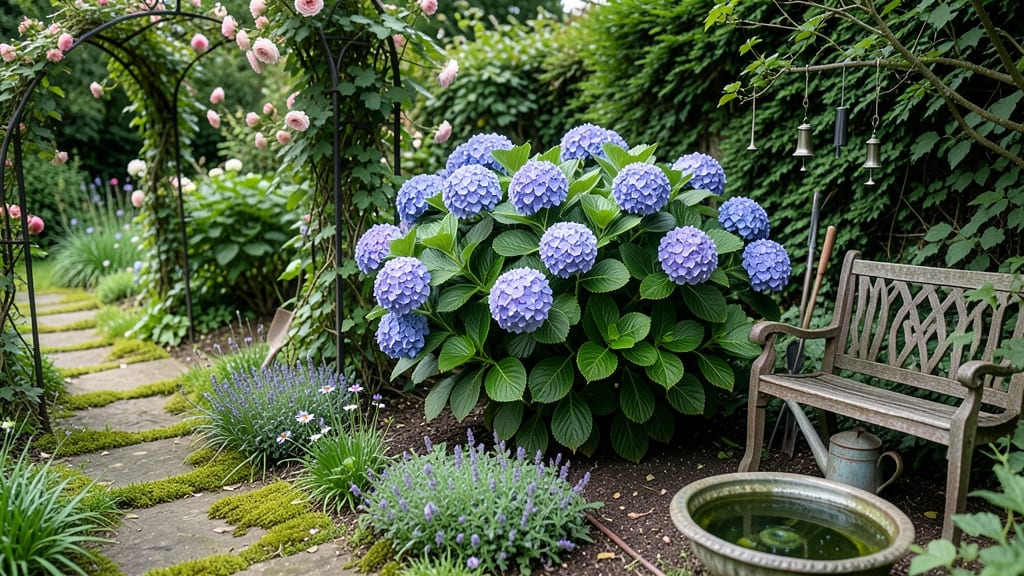
Beautiful secret gardens transform overlooked corners into enchanting escapes—where every leaf whispers and every path invites discovery. 🌿 I stumbled upon this concept after hiding a tiny plot behind my shed, and now it’s my favorite spot to unwind, even when the rest of the yard looks ordinary. The magic lies in layering textures—velvety hostas next to spiky grasses, smooth river stones underfoot, and climbing roses that spill over trellises like secret curtains. Lighting makes all the difference: solar-powered lanterns or twinkling fairy lights turn dusk into a dreamy retreat. You’ll create a space that feels like a private sanctuary, where colors stay vibrant year-round—deep greens in winter, bursts of pink in spring, and golden foliage in fall. The best part? It’s not about size, but the feeling of stepping into another world. Perfect for small backyards, balcony corners, or even a cozy window box. Let’s bring that hidden charm to life!
📚 In This Guide
- What you need
- Instructions
- Tips and common mistakes
- Wrapping up and next steps
What you need
- ● Plants: Perennials (e.g., Hellebores, Heucheras, Sedums) – 5–10 plants
- ● Ornamental grasses (e.g., Fountain Grass, Miscanthus) – 3–5 plants
- ● Evergreen shrubs (e.g., Boxwood, Dwarf Holly) – 3–5 plants
- ● Seasonal blooms (e.g., Pansies, Violas, Calendulas) – 10–15 plants
- ● Soil & Amendments: High-quality garden soil (50 lbs)
- ● Compost (20–30 lbs)
- ● Organic mulch (e.g., shredded bark or pine straw – 2–3 bags)
- ● Hardware & Structures: Trellises or obelisks (1–2, depending on size)
- ● Garden stakes or plant labels (10–20)
- ● Garden twine or burlap (for support)
- ● Tools: Trowel or hand shovel
- ● Pruners (bypass or anvil)
- ● Garden gloves (2 pairs)
- ● Watering can or hose with adjustable nozzle
- ○ Wheelbarrow (optional but helpful)
- ● Fairy lights or solar-powered path lights (for ambiance)
- ● Decorative stones or stepping stones (for pathways)
- ● Wind chimes or hanging planters (for whimsy)
- ● Birdbath or small water feature (to attract wildlife)
- ● Arbor or pergola (for vertical growth)
How to create your own enchanting secret garden
Turn any forgotten corner into a lush, year-round retreat with these simple design principles.
🌿 Step 1: Choose Your Hidden Spot and Assess the Light
Secret gardens thrive in overlooked spaces—under trees, beside fences, or tucked between buildings. Measure your area first: 4' x 4' is perfect for a cozy nook, while 6' x 6' allows room for seating or a small path. I always check light conditions by observing the space at 10 AM, noon, and 4 PM—this tells me whether to plant sun-lovers like lavender or shade-tolerant ferns.
North-facing spots? Focus on hostas, astilbes, and heucheras. South-facing? Add drought-resistant succulents and ornamental grasses. Mark the sunniest and shadiest corners with stakes—this ensures you’ll place moisture-loving plants where they’ll thrive and avoid wilting.
🪴 Step 2: Layer Plants for Texture and Seasonal Interest
Secret gardens feel magical when every season has something to offer. Start with a 3-foot-tall focal plant like a hydrangea or boxwood at the center. Surround it with 18-24 inch mid-height plants such as Russian sage or coral bells, then fill the front with 6-12 inch ground covers like creeping thyme or ajuga.
I always mix evergreens (like boxwood or dwarf holly) with seasonal bloomers (like peonies or columbines) to guarantee year-round color. Add a few scented plants—like jasmine or lavender—so visitors get a sensory surprise when they step inside.
☀️ Step 3: Add Structural Elements for Enclosure
A secret garden needs boundaries to feel intimate. Use lattice panels, trellises, or woven bamboo screens to create a soft enclosure. I like to drape climbing roses or clematis over these to blur the lines between structure and nature. For a rustic look, stack large stones or use a curved wooden arch as a focal point.
Add a small bench or hanging chair> tucked into a corner—this invites lingering and makes the space feel lived-in. Place it where morning sun warms it in cooler months, but where afternoon shade keeps it comfortable in summer.
💧 Step 4: Enhance with Lighting and Water Features
String solar-powered fairy lights or small lanterns along paths to highlight textures after dark. I place them at eye level> so they cast a gentle glow on foliage without creating harsh shadows. For a soothing soundtrack, add a tiny bamboo fountain or solar-powered water feature>—the sound of water masks city noise and attracts birds.
Mulch with 3-4 inches of shredded bark or wood chips> to suppress weeds and retain moisture. This also keeps the soil cool in summer and prevents erosion from occasional rain. Avoid dyed mulch—it can leach harmful chemicals into the soil over time.
⏰ Step 5: Maintain with Minimal Effort
Secret gardens stay magical with weekly checks for weeds> and monthly pruning> of overgrown branches. I deadhead spent blooms regularly to encourage more flowers, but I leave seed heads on ornamental grasses and perennials for winter interest. Water deeply once a week> in summer, but reduce to every 10-14 days> in fall and spring.
Fertilize lightly in early spring with a balanced, slow-release formula>—overdoing it leads to lush foliage but fewer blooms. I always test soil pH first (most secret gardens do best at 6.0-7.0>). If your plants look tired by mid-summer, a compost top-dressing**> gives them a natural boost without chemicals.
Tips & tricks for perfect secret garden design
Here's what nobody tells you about creating a garden that feels like stepping into a fairy tale.
Light Assessment is Everything: That 10 AM, noon, and 4 PM observation isn't just about sun exposure—it reveals how light moves across your space throughout the day. I've seen gardens fail because people only checked at noon. North-facing areas get less than 4 hours of direct sun, while south-facing spots can bake plants. Use a small whiteboard to sketch your space with light zones marked—this becomes your planting map.
Plant Layering Secret: The 3-foot focal plant, 18-24 inch mid-height plants, and 6-12 inch ground covers create that magical "forest floor" effect. Pro tip: Place your tallest plants toward the back of your space, not the center. This creates depth perception and makes your garden feel larger. I always arrange plants in odd-numbered groups (3, 5, or 7) for natural-looking clusters that catch the eye.
Structural Enclosure Trick: When using lattice panels or bamboo screens, leave gaps at the top—this prevents the space from feeling closed in. For a truly enchanting touch, weave in dried grasses or vines through the lattice before planting. The movement created by wind blowing through these elements adds a dynamic quality that static panels can't match. This simple adjustment makes all the difference in creating that "secret" feeling.
Scented Plant Placement: Jasmine and lavender should be positioned near seating areas or along paths where people will brush against them. I place mine at about 36 inches from the ground—this height ensures the fragrance releases when someone walks by without being too high to enjoy. For maximum impact, plant in clusters of 5-7 plants rather than single stems. The concentrated scent creates an instant sensory experience.
Pro Tips for Beautiful Secret Gardens
- Here's what nobody tells you about creating a garden that feels like stepping into a fairy tale.
- Light Assessment is Everything: That 10 AM, noon, and 4 PM observation isn't just about sun exposure—it reveals how l...
- Plant Layering Secret: The 3-foot focal plant, 18-24 inch mid-height plants, and 6-12 inch ground covers create that ...
Frequently asked questions
about creating your own beautiful secret gardens—because every gardener deserves a little magic!What’s the best time of year to start a secret garden?
The ideal time depends on your climate! In mild zones (USDA 8-10), plant perennials and annuals in early spring or fall to avoid summer heat. For cooler climates (USDA 3-7), wait until after the last frost (typically late spring). Evergreens and shade-loving plants can go in anytime—just check soil temps first!
How do I keep my secret garden lush without overwatering?
Layer mulch (3-4 inches) to retain moisture and suppress weeds. Use drip irrigation or soaker hoses for precision—set timers for 10-15 minutes/day in dry spells. Group plants with similar water needs (e.g., heuchera with ferns) to simplify care. Morning watering reduces evaporation and fungal risks. Pro tip: Test soil moisture with your finger—if the top inch is dry, it’s time to water!
Can I create a secret garden in a small space, like a balcony or courtyard?
Use vertical gardens (wall planters, trellises), container gardening (hanging baskets, window boxes), or raised beds for compact designs. Opt for dwarf varieties (e.g., ‘Lime Rickey’ boxwood) or trailing plants (like sweet potato vine) to maximize texture. Even a single large pot with layered foliage (e.g., hostas + ferns + ornamental grass) can create drama!
What’s the easiest way to troubleshoot pests in a secret garden?
Start with prevention: Healthy soil (rich in compost) and diverse plantings deter pests naturally. For issues:
Aphids? Spray with soapy water (1 tsp mild soap per quart) or introduce ladybugs.
Slugs/snails? Set up beer traps or use copper tape around pots.
Fungal spots? Improve airflow and avoid overhead watering.
Inspect plants weekly—catch problems early!How can I add year-round color if my area has harsh winters?
Layer evergreens (e.g., holly, boxwood, or junipers) for structure, then add winter interest with:
- Ornamental grasses (e.g., ‘Karl Foerster’ fountain grass)
- Berries (e.g., winterberry holly, cotoneaster)
- Bark contrast (e.g., paperbark maple or smoke tree)
Wrapping up and next steps
Creating your own beautiful secret garden is all about embracing nature’s quiet magic—layering colors, textures, and seasonal surprises to craft a space that feels like a hidden escape.
Whether you’re planting vibrant annuals, textured perennials, or fragrant herbs, the key is to play with contrast and let your creativity bloom. 🌸
Now that you’re armed with tips and inspiration, take the first step—start small! Pick one corner of your garden or even a cozy container, and experiment with a few of these ideas.
Before you know it, your little slice of paradise will be buzzing with life, color, and texture, year after year. Happy gardening!