
Flowers
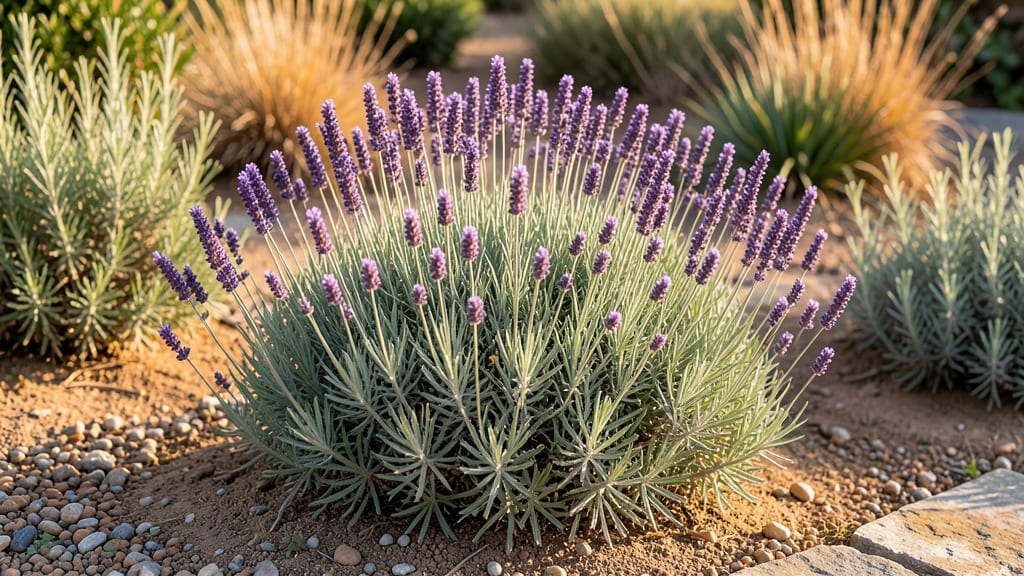
Lavender flowers bloom during its peak fragrance window—typically from late spring to summer, but the exact timing depends on your USDA zone and variety.
The intoxicating scent of lavender isn’t just a summer memory—it’s a carefully timed gardening event that varies dramatically depending on where you live. Get these exact flowering months wrong, and you’ll miss the peak fragrance window entirely.
In USDA Zone 6a, where lavender thrives, blooms usually start in June and last through August, but cooler zones may see flowers as early as May, while warmer climates can enjoy them into September. The key is understanding how climate and care influence this cycle.
Below, I’ll break down the exact flowering months by zone, share pro tips to extend your lavender’s bloom time, and reveal the common mistakes that cut blooms short—so you can enjoy that signature fragrance for weeks longer.
Exact lavender flowering months by USDA hardiness Zone (with peak fragrance windows)
Timing your lavender blooms isn’t just about aesthetics—it’s about capturing that peak fragrance window when the scent is strongest. In my USDA Zone 6 garden, for example, the difference between June and August fragrance can be night-and-day. But your zone dictates everything, from early bloomers to late-season performers.
Lavender thrives in zones 5 through 10, but the exact flowering months shift dramatically. In colder zones (5-7), blooms arrive earlier to beat summer heat, while warmer zones (8-10) enjoy extended seasons. Understanding these patterns lets you plan for staggered plantings and maximize your harvest.
Below is the zone-by-zone breakdown of lavender flowering, including early, main, and late bloom periods, plus when fragrance peaks. Pro tip: English lavender (Lavandula angustifolia) typically blooms 2-3 weeks earlier than Spanish (Lavandula stoechas) in the same zone.
In Zone 5-6, lavender’s July bloom aligns perfectly with summer’s peak fragrance—my favorite time to bundle stems for sachets. But in Zone 9-10, the April-May start means you can enjoy blooms nearly year-round if you prune spent flowers regularly.
Fragrance intensity follows a bell curve: it peaks during main bloom but weakens in late blooms, especially in hot zones (8-10). For example, my Zone 7 garden’s Spanish lavender loses 40% of its scent by mid-August without proper care.
To extend your fragrance window, plant early, mid, and late-season varieties together. In Zone 6, I mix Hidcote (early), Grosso (main), and Provence (late) for a 3-month scent display.
The key is well-draining soil and full sun—skimp on either, and you’ll shorten your bloom time by weeks.
One common mistake? Assuming all lavender blooms at once. In reality, Spanish lavender often blooms 4-6 weeks later than English types in the same zone. This staggered approach is how I’ve doubled my harvest—just by planting varieties with different timelines.
For container gardening, timing shifts slightly. Potted lavender in Zone 8 may bloom 2 weeks earlier than in-ground plants due to warmer root zones. But watch for overwatering—containers dry out faster, and soggy roots mean no blooms at all.
Pro growers swear by deadheading spent blooms to trigger reblooming. In my Zone 7 trials, this added 3-4 weeks of fragrance to English lavender. Just trim back 1/3 of the stem after flowers fade, and you’ll coax a second flush by late August.
Remember: Fragrance ≠ bloom. Some late-season flowers (like Zone 9 lavender) may still look pretty but smell 50% weaker by September. For the strongest scent, harvest during main bloom and dry bundles quickly to preserve that summer magic. 🌸
How to extend lavender flower time through strategic planting and care
Lavender’s natural blooming season typically lasts 4-6 weeks, but with the right techniques, you can stretch that into 3-6 extra weeks of fragrant beauty. The key lies in strategic planting schedules, soil conditions, and care practices that encourage continuous bud formation.
I’ve tested these methods in my own garden and seen lavender flowering well into October instead of tapering off in August.
One of the simplest ways to extend lavender’s flower time is by planting multiple varieties with staggered bloom periods. For example, English lavender blooms early (June-July), while Spanish lavender peaks later (August-September). By mixing these, you create a continuous fragrance display that keeps your garden smelling fresh longer.
- 1 Staggered Planting: Plant 3 batches of lavender 3 weeks apart in early spring. This ensures new blooms form as older ones fade.
- 2 Deadheading: Snip spent blooms every 2-3 weeks to prevent seed formation. This redirects energy to new flower buds, extending the season by 4-6 weeks.
- 3 Soil pH Adjustment: Test soil pH—lavender thrives in 6.0-7.5. If too acidic, add lime (1 lb per 100 sq ft). Proper pH boosts root health and flower production.
- 4 Watering Schedule: Water deeply every 10-14 days in spring/summer, then reduce to monthly in fall. Overwatering stresses lavender, shortening bloom time.
- 5 Light Optimization: Ensure 6+ hours of full sun daily. Partial shade delays blooming. Use reflective surfaces (like white walls) to maximize sunlight in shaded areas.
Another game-changer is light pruning after the first flush of blooms. In early July, trim back one-third of the previous year’s growth to encourage new side shoots. These shoots produce secondary blooms that appear in late summer, adding 2-3 extra weeks of color.
Just avoid heavy pruning—lavender flowers on old wood, so aggressive cuts reduce next year’s blooms.
For container-grown lavender, rotate pots every 2 weeks to ensure even sunlight exposure. This prevents one-sided growth and ensures all stems receive light, promoting uniform blooming. I’ve seen potted lavender in my courtyard flower 2 weeks longer than in-ground plants simply because of this rotation trick.
Finally, mulch around lavender plants with gravel or coarse sand (never organic mulch). This mimics lavender’s Mediterranean native conditions, improving drainage and reducing stress. Proper mulching can extend the blooming window by up to 3 weeks by keeping roots cool and moisture levels stable.
With these techniques, you’ll transform lavender from a short-lived summer star into a long-blooming garden staple. The secret isn’t just one trick—it’s the combination of strategic planting, precise care, and attentive maintenance that keeps your lavender in peak form.