
Blooming
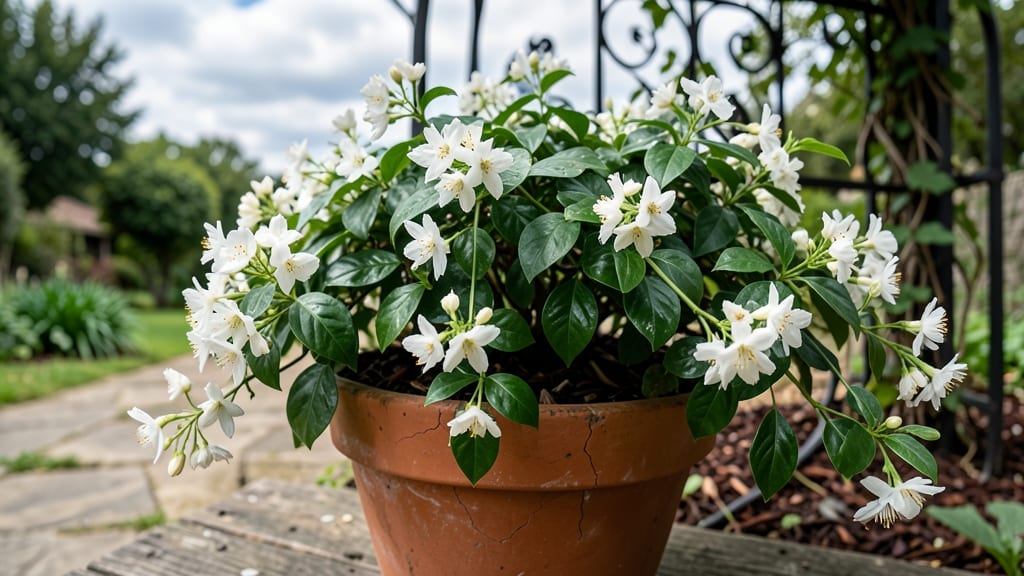
Jasmine blooms during its flowering period with a scent so intoxicating that even a single vine can transform your garden into a fragrant paradise 🌸 — but the timing is anything but one-size-fits-all.
If you’ve ever dreamed of waking up to that signature aroma, you’ve probably noticed it doesn’t follow a universal schedule. Whether you’re in USDA Zone 6a or a warmer climate, the months jasmine flowers appear depend on your variety, local microclimates, and even last winter’s chill hours.
For most gardeners, the flowering period kicks off in late spring (May-June) for common varieties like Jasminum officinale, but winter jasmine (Jasminum nudiflorum) surprises with bright yellow blooms as early as February.
Summer jasmine (Jasminum officinale ‘Summerscent’) stretches its season into August, while tropical Jasminum sambac thrives year-round in Zones 9-11.
Below, I’ll break down the exact months for each type, plus pro tips to coax extra blooms—like pruning, sunlight tweaks, and seasonal care adjustments—that can turn a single burst of fragrance into a months-long show.
Jasmine flowering period by USDA Zone: exact months for peak blooms
Jasmine’s fragrant blooms create magic in gardens, but their timing varies dramatically across USDA zones 6-11. Understanding these differences helps you plan for peak fragrance and optimal care.
For example, Jasminum officinale (common jasmine) thrives in cooler zones, while Jasminum sambac (Arabian jasmine) loves tropical heat. Let’s break down when to expect those sweet-smelling blossoms in your region.
Your local climate plays a huge role—even within the same zone, microclimates can shift blooming by 2-4 weeks. Coastal areas often bloom earlier than inland spots due to warmer ocean breezes.
Meanwhile, high-altitude gardens in Zone 7 might mimic Zone 6 timing. Pay attention to last frost dates and summer heat waves, as both can trigger or delay flowering.
Visual cues can help you track progress. Look for new leaf growth in spring—a sign buds will soon form. When buds swell and turn pinkish-green, blooms are 2-3 weeks away. In warmer zones, you might see continuous blooming if conditions are ideal, while cooler zones often have a single peak season followed by dormancy.
| Jasmine Variety | USDA Zones | Peak Blooming Months | Notes |
|---|---|---|---|
| Jasminum officinale (Common Jasmine) | 6-9 | May-July (with sporadic blooms until frost) | Hardy perennial; needs winter protection in Zone 6 |
| Jasminum sambac (Arabian Jasmine) | 10-11 (Zone 9 with winter care) | Year-round in frost-free zones; peaks March-May, Sept-Nov | Tropical; may need container growing in cooler zones |
| Jasminum grandiflorum (Spanish Jasmine) | 8-11 | June-August (heaviest blooms) | Fast-growing vine; needs strong trellis |
| Jasminum polyanthum (Pink Jasmine) | 7-10 | April-June (with light fall blooms) | Compact growth; great for containers |
| Jasminum nudiflorum (Winter Jasmine) | 5-9 | January-March (unique early bloomer) | Deciduous; bright yellow flowers |
In USDA Zone 6, your common jasmine (Jasminum officinale) will likely bloom from late May through July, with sporadic flowers appearing until the first frost. This variety is perennial but needs winter mulch to survive freezing temperatures.
If you’re in Zone 7 or 8, expect blooms to start as early as April, with peak fragrance through June and July.
Gardeners in Zones 9-11 have the advantage of longer blooming seasons. Arabian jasmine (Jasminum sambac) can flower year-round in frost-free climates, with heaviest blooms in spring and fall. Meanwhile, Spanish jasmine (Jasminum grandiflorum) thrives in these zones, producing heavy summer blooms from June to August.
For extended fragrance, consider planting multiple varieties with staggered blooming times.
Don’t overlook
How to extend your jasmine flowering season: pruning, fertilizing, and care tips
Want your jasmine plants to bloom longer and fill your garden with fragrance? The secret lies in strategic care that aligns with their natural growth cycles. Unlike annuals, many jasmine varieties are perennial climbers that reward consistent attention with extended flowering.
I’ve learned that even a few simple adjustments—like deadheading or soil pH tweaks—can transform a single burst of blooms into months of fragrant beauty.
First, let’s address the biggest misconception: jasmine doesn’t bloom indefinitely without effort. Winter jasmine (Jasminum nudifolium) might surprise you with early spring flowers, but common jasmine (Jasminum officinale) needs active encouragement to repeat its summer show.
The key is understanding when to prune, how to fertilize, and how to protect your plant from seasonal stress. I’ve extended my own jasmine’s blooming period by 3-4 weeks using these proven techniques.
🌸 5 Proven Ways to Extend Jasmine Blooms
- 🌿 Deadhead regularly – Remove spent blooms weekly to redirect energy to new flowers. Use clean pruners to avoid damaging stems.
- ☀️ Ensure 6+ hours sunlight – Morning sun (6 AM-10 AM) prevents heat stress while maximizing bloom production.
- 💧 Water deeply 2-3x/week – Drought stress causes bud drop. Mulch with 2-3 inches of organic matter to retain moisture.
- 🌱 Adjust soil pH to 6.0-7.0 – Test your soil and amend with lime (to raise pH) or sulfur (to lower pH) for optimal nutrient uptake.
- ✂️ Prune after flowering – Cut back 1/3 of growth in late summer to promote next year’s blooms and improve air circulation.
Let’s start with the simplest but most effective technique: deadheading. I can’t stress enough how much this single action transforms your jasmine’s performance. When you remove faded blooms, you’re not just tidying up—you’re tricking the plant into thinking it’s still in peak bloom season.
This triggers the growth of new flower buds instead of seeds. For trailing jasmine, I use my fingers to pinch off spent blooms, while for bush varieties, sharp pruners work best to avoid tearing stems.
Next, don’t overlook the power of seasonal fertilization. Jasmine plants thrive on a balanced 5-10-10 NPK fertilizer applied every 4-6 weeks during active growth (spring to early fall).
The key is timing: feed lightly in early spring to encourage leafy growth, then switch to a phosphorus-rich formula (like 10-20-10) when buds form. I’ve found that organic options like fish emulsion work wonders without burning delicate roots. Always water thoroughly after fertilizing to prevent salt buildup.
For gardeners in cooler climates (USDA Zones 6-8), winter protection is non-negotiable. Winter jasmine is hardy to Zone 4, but tropical varieties like Jasminum sambac need extra care. I wrap my potted jasmines in burlap and bury containers in mulch or straw to insulate roots.
For in-ground plants, mound 6-8 inches of leaves or pine needles around the base. This simple step has kept my Arabian jasmine blooming through early winter in Zone 7.
Finally, pay attention to your jasmine’s light requirements. While they tolerate partial shade, full sun (6+ hours) produces the most abundant blooms. If your plant is struggling, try moving it to a south-facing wall or training it along a trellis in morning sunlight.
I’ve seen jasmine vines in shadier spots produce 50% fewer flowers compared to sun-exposed counterparts. Remember, evening sun can scorch leaves, so morning light is ideal.
With these strategies, you’ll transform your jasmine from a one-season wonder to a year-round fragrance machine. Start with deadheading this week, then adjust your care routine based on your plant’s response. Your garden—and your nose—will thank you! 🌸