
Planting
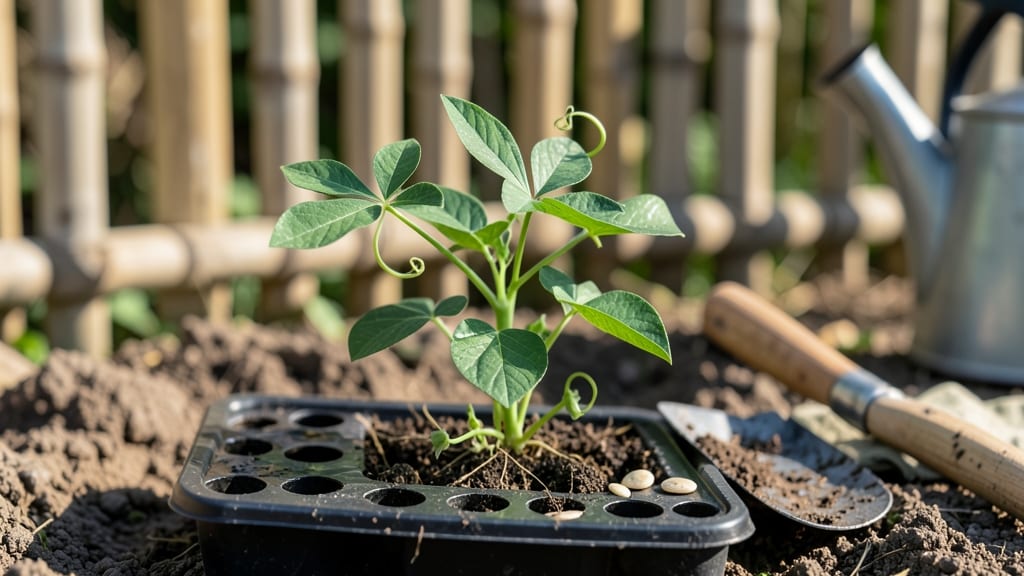
To plant sweet pea flower seeds 🌸 for a fragrant, climbing display, start with well-drained soil and a sturdy trellis—this is the secret to strong vines and longer blooms.
Sweet peas aren’t just beautiful climbers—they’re fragrant, fast-growing, and perfect for adding vertical charm to any garden. But planting them right (especially the trellis setup) makes all the difference between wispy vines and a lush, blooming wall of color.
You’ll need just three key steps: sowing seeds at the right depth, spacing them properly, and giving them plenty of sunlight. Skip these, and you might end up with leggy plants that struggle to climb—or worse, fail to bloom at all.
In this guide, I’ll walk you through soil prep, planting depth, watering tips, and how to choose the best trellis for your sweet peas. By the end, you’ll have a thriving, fragrant garden feature that lasts all season.


Step-by-step guide to planting sweet pea seeds for maximum growth
Sweet peas are one of the easiest yet most rewarding flowers to grow, especially when you nail the planting process. These fragrant climbers thrive with the right soil, spacing, and timing—giving you lush vines and abundant blooms in just 60-70 days.
The key? Start with well-prepared soil and a support structure ready before those delicate seeds even sprout.
I’ve planted sweet peas for years, and the difference between a thriving trellis and a struggling vine often comes down to these early steps. Whether you’re a beginner or a seasoned gardener, following this step-by-step guide ensures your sweet peas get off to the best possible start. Let’s dig in!
How to Plant Sweet Pea Flower Seeds
- 1 Choose the Right Time: Plant sweet pea seeds 4-6 weeks before your last frost date (typically early spring in most climates). For summer blooms, sow again in late spring (April-May). Avoid planting when soil temps exceed 75°F (24°C), as seeds may rot.
- 2 Prepare the Soil: Sweet peas love well-draining, slightly acidic soil (pH 6.0-7.0). Mix in 2-3 inches of compost or aged manure to enrich the soil. If your soil is heavy clay, add sand or perlite to improve drainage. Avoid fresh manure, which can burn seeds.
- 3 Soak Seeds Overnight: Sweet pea seeds have hard seed coats that benefit from soaking. Place seeds in a bowl of lukewarm water for 12-24 hours before planting. This softens the coat and speeds up germination. Drain well before planting to prevent rot.
- 4 Plant at the Correct Depth: Sow seeds ½ inch (1.25 cm) deep in 2-3 inch (5-7.5 cm) apart rows. Space rows 12-18 inches (30-45 cm) apart for climbing varieties. Plant 3-4 seeds per spot and thin to the strongest seedling later to ensure success.
- 5 Install Trellis Early: Sweet peas need support from day one. Drive 5-6 foot (1.5-1.8 m) stakes or install a trellis 6-8 feet tall near your planting site. Use twine, netting, or string to create horizontal guides for vines to climb. Avoid plastic netting, which can damage tender stems.
- 6 Water Gently After Planting: Keep soil moist but not soggy until germination (about 7-14 days). Use a spray nozzle or watering can to avoid disturbing seeds. Once sprouted, water at the base of plants in the morning to prevent fungal diseases.
- 7 Thin Seedlings: When seedlings reach 2 inches tall, thin to the strongest plant per spot, leaving 3-4 inches (7.5-10 cm) between plants. This reduces competition and ensures healthier vines. Snip weaker seedlings at soil level with clean scissors.
- 8 Fertilize Lightly: After thinning, apply a balanced fertilizer (5-10-10) at ½ the recommended rate. Avoid high-nitrogen fertilizers, which promote leafy growth over blooms. Instead, use a low-nitrogen, high-phosphorus fertilizer to encourage flowering.
One of the biggest mistakes I see is planting seeds too deep or skipping the soaking step. Sweet pea seeds need light to germinate, so planting them deeper than ½ inch can delay or prevent sprouting.
Also, avoid overcrowding—giving each plant room to grow ensures stronger stems and more blooms.
After planting
Best trellis types and setup tricks for climbing sweet peas
Sweet peas need strong support to thrive, and choosing the right trellis type can transform your garden from a tangled mess to a fragrant vertical masterpiece. The best trellises provide durability, stability, and enough climbing space for vines to reach their full 6–8 foot height.
Whether you prefer DIY projects or pre-made options, the material and setup make all the difference in preventing vine breakage and maximizing blooms.
Avoid flimsy supports—sweet peas can grow heavy with flowers, and weak trellises snap under the weight. I’ve tested wooden lattice, metal cages, and bamboo stakes, each with pros and cons depending on your garden’s needs.
Let’s break down the best options and how to position them for optimal growth and wind resistance.
For maximum stability, position trellises in a south-facing location where they’ll receive full sun and avoid strong winds. I recommend installing supports at least 6 feet tall—sweet peas grow fast, and vines need room to twine upward.
Use twin stakes or a pyramid frame for wider varieties like 'Cupani' to prevent top-heavy collapse.
Pro tip: Secure trellises with stakes or guy wires if your garden gets windy. I once watched a 7-foot metal trellis topple in a storm—adding additional anchors saved my next batch of vines. For wooden lattice, treat it with linseed oil to extend its life and keep it looking fresh.
DIY trellises are cost-effective but require precise measurements. Measure the height of your tallest sweet pea variety (up to 8 feet) and add 1–2 feet extra for overhanging blooms. Use 3-inch wooden stakes driven 12 inches deep into the soil for the strongest base.
For pre-made options, look for heavy-duty metal cages with 1-inch grid spacing to support thick vines.
Finally, avoid placing trellises too close to overhead power lines or large trees that could shade your plants. Sweet peas need 6+ hours of sunlight daily, and even partial shade reduces blooming.
With the right trellis and placement, your climbing sweet peas will reward you with a fragrant, blooming vertical garden all season long. 🌸