
Flowers
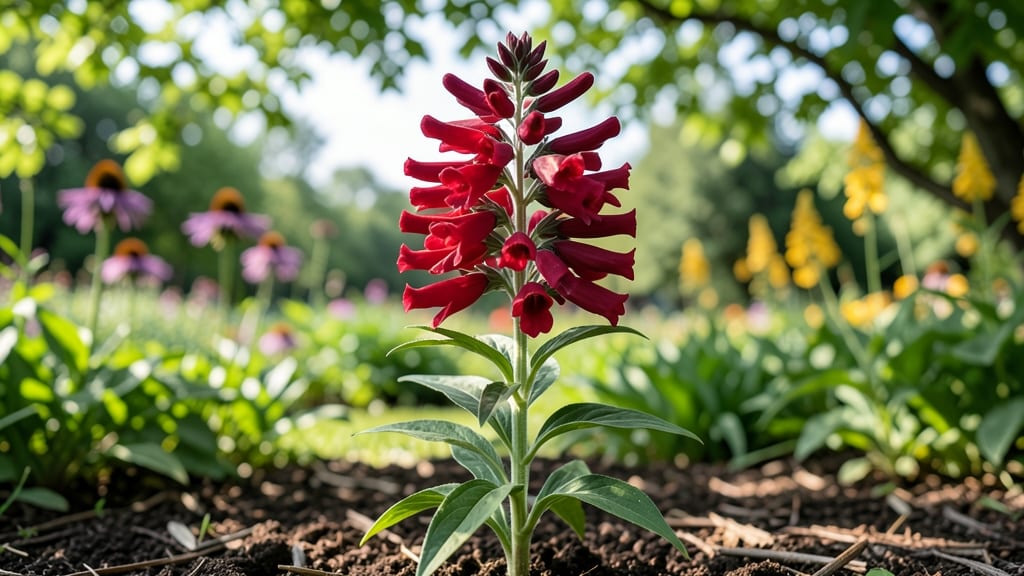
The cardinal flower 🌸 typically grows between 2 and 5 feet tall, depending on its variety and growing conditions—so it’s taller than you might expect for a garden favorite.
Imagine this: you’ve just planted your cardinal flower in spring, dreaming of vibrant red blooms that will draw hummingbirds all summer. But by midsummer, its height might surprise you—especially if you’re used to shorter perennials.
The difference between a 3-foot specimen and one stretching toward 5 feet often comes down to sunlight, soil, and a little pruning know-how.
For gardeners in USDA Zone 6a, where cardinal flowers thrive, the key to controlling height lies in placement. Too much afternoon sun can stretch stems, while rich, moist soil encourages lush growth.
Even dwarf varieties can reach 4 feet if conditions are perfect—so spacing matters when you’re planning your flower beds.
In this guide, I’ll break down exactly how tall your cardinal flower will grow, how to encourage (or rein in) its height, and the simple care tips that make all the difference for those showstopping blooms.


Cardinal flower height by variety: a detailed growth comparison
The cardinal flower (Lobelia cardinalis) is a showstopper in any garden, but its height can vary dramatically depending on the variety you choose.
Whether you're planning a moist woodland garden or a sunny border, knowing the mature height of your specific cultivar helps you space plants correctly and create stunning visual impact. Let’s explore how different types grow and what to expect from each.
Standard cardinal flowers (Lobelia cardinalis) typically reach their full height in one growing season, while some dwarf varieties may take slightly longer to mature. The key difference lies in their genetic growth patterns—some are bred to stay compact, while others grow tall and elegant.
Understanding these variations ensures you pick the perfect fit for your space.
If you’re growing standard cardinal flowers, expect them to reach their full 3–5 feet height by midsummer, especially in moist, well-drained soil. These varieties thrive in USDA Zones 3–9 and are perfect for adding vertical interest to shady or partially sunny spots.
Their rapid growth makes them ideal for filling gaps quickly in garden beds.
For those who prefer a lower-profile plant, dwarf cultivars like 'Queen Victoria' stay between 1.5–2.5 feet, making them perfect for container gardens or the front of borders.
These smaller varieties often produce more abundant blooms because their energy isn’t focused on vertical growth. They’re also easier to maintain in smaller spaces or urban gardens.
The great blue lobelia (Lobelia siphilitica) offers a striking alternative with blue-purple blooms and a slightly shorter stature of 2–4 feet. This variety is more adaptable to woodland conditions and partial shade, making it a great choice for native plant gardens or areas with filtered sunlight.
Its slower growth rate means it won’t overwhelm smaller garden spaces.
When planning your garden layout, consider spacing recommendations based on mature height. For standard varieties, allow 18–24 inches between plants to prevent overcrowding, while dwarf types can be spaced 12–18 inches apart. Proper spacing ensures better airflow, reducing the risk of fungal diseases like powdery mildew.
One common misconception is that cardinal flowers will always grow tall in full sun. While they do thrive in bright light, excessive afternoon sun can cause leggy growth and fewer blooms.
In hotter climates, provide afternoon shade to keep plants compact and encourage a bushier habit. This simple adjustment can make a big difference in height control.
For gardeners in cooler climates, cardinal flowers may grow slightly taller due to longer growing seasons. In contrast, those in warmer zones might see slightly shorter growth if planted in intense heat.
Always monitor soil moisture, as consistent watering is key to maintaining healthy, upright stems and optimal height.
If you’re unsure which variety to choose, start with a mix of heights to create visual layers in your garden. Pair a tall standard variety (4–5 feet) behind a dwarf type (1.5–2.5 feet) for a dynamic, eye-catching display. This approach works beautifully in moisture-loving gardens or near ponds and streams.
Factors that influence cardinal flower height: sunlight, soil, and pruning
The height of your cardinal flower (Lobelia cardinalis) can vary dramatically based on three key factors: sunlight exposure, soil moisture, and pruning practices.
While these plants typically reach 3-5 feet at maturity, understanding how to manipulate these variables lets you control whether they grow tall and leggy or stay compact and bushy. I’ve grown cardinal flowers in both full sun and partial shade, and the difference in height—and even flower production—is striking.
For example, in my USDA Zone 6a garden, cardinal flowers planted in morning sun with afternoon shade hit their maximum height of 5 feet, while those in partial shade all day maxed out at just 2-3 feet.
The same plant can look completely different depending on where you place it! Let’s break down how each factor affects growth so you can tailor your garden setup for the perfect height.
Key Factors Affecting Cardinal Flower Height
- 🌞 Sunlight: Full sun (6+ hours) = taller stems (4-5 ft); partial shade (4-6 hours) = shorter, bushier (2-3 ft).
- 💧 Soil Moisture: Consistently moist soil = optimal height (3-5 ft); dry soil = stunted growth (1-2 ft).
- ✂️ Pruning: Regular deadheading = bushier, shorter (2-3 ft); no pruning = taller, leggy (4-5 ft).
- 🌱 Soil Type: Rich, organic soil = faster growth; poor soil = slower, shorter.
- 🌡️ Climate: Cool climates = taller growth; hot climates = shorter, may need shade.
Let’s start with sunlight, the most impactful factor. Cardinal flowers thrive in partial shade but can tolerate full sun if given enough water. In my experience, plants in full sun grow 1-2 feet taller than those in shade, but their stems can become weak and floppy without support.
To maximize height while keeping stems sturdy, I place them in morning sun with afternoon shade—this gives them enough light for tall growth without the stress of afternoon heat.
Next, soil moisture plays a critical role. Cardinal flowers are water-loving plants and will stunt their growth if the soil dries out. In my moist, well-draining soil, they reach their full height of 4-5 feet, but in a dry spell, I’ve seen them barely grow beyond 2 feet.
To prevent this, I mulch heavily around the base and water deeply every 2-3 days during hot weather. Overwatering, however, can lead to root rot, so always ensure the soil has good drainage.
Finally, pruning is your secret weapon for controlling height. If you want shorter, bushier plants, pinch back the tips in early summer to encourage branching. I’ve found that deadheading spent blooms also promotes more compact growth, as the plant focuses energy on producing new flowers rather than tall stems.
For taller plants, simply avoid pruning, but be prepared to stake them to prevent flopping in wind or rain.
By adjusting these three factors—sunlight, soil moisture, and pruningtall backdrop or a compact border plant. Experiment with different setups in your garden, and don’t forget to take notes on what works best in your climate! 🌿