
Watering
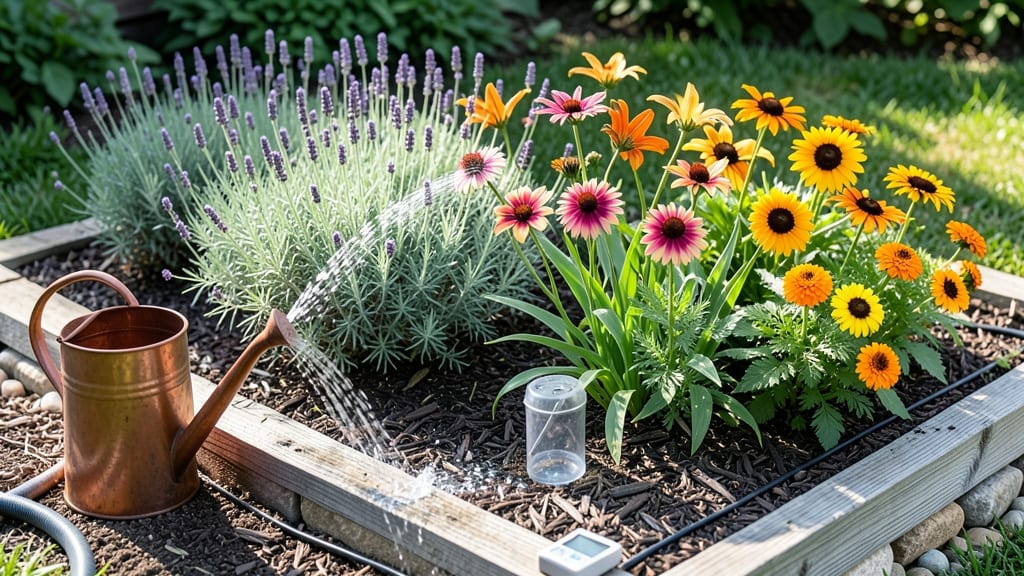
Watering flower beds the right way means giving them 1 to 2 inches of water weekly—but timing and soil type change everything.
Struggling to keep your flower beds vibrant? Overwatering or underwatering can both turn your blooms into a gardener’s nightmare—here’s the science-backed schedule tailored to your soil type.
Most gardeners guess, leading to soggy roots or wilting petals. The truth is, sandy soil drains fast, while clay holds moisture for days. Loamy soil? That’s the Goldilocks zone. Below, I break down how often to water based on your soil, season, and plant needs—no more guesswork.
You’ll learn how to check soil moisture, adjust for rain, and spot the signs of over- or underwatering before it’s too late. Ready to keep those 🌸 blooms thriving with confidence?
Soil-type watering schedule: how often to water flower beds for maximum blooms
Your flower beds deserve the perfect watering routine, but getting it right depends on one critical factor: soil type. Whether you have clay soil that holds moisture like a sponge or sandy soil that drains faster than a sieve, each type dictates how often you should water.
Ignoring this can lead to wilting blooms or root rot—neither of which you want in your garden. Let’s break down the ideal watering schedule for each soil type to keep your flowers thriving all season.
Understanding your soil’s unique behavior is key. For example, loamy soil—the gardener’s gold—balances moisture retention and drainage perfectly, while clay soil can suffocate roots if overwatered. Meanwhile, sandy soil requires frequent watering because it can’t hold onto moisture.
Below, I’ll share the science-backed watering frequencies tailored to each soil type, plus seasonal adjustments to keep your flowers blooming like crazy.
| Soil Type | Watering Frequency (Spring/Summer) | Watering Frequency (Fall/Winter) | Signs of Overwatering | Signs of Underwatering |
|---|---|---|---|---|
| Clay Soil | Every 5-7 days (deep soak) | Every 10-14 days (light watering) | Yellowing leaves, mold, soggy soil | Cracked soil, wilting despite water |
| Sandy Soil | Every 2-3 days (shallow watering) | Every 7-10 days (moderate watering) | Dry, crumbly soil, nutrient runoff | Dry, brittle leaves, shallow roots |
| Loamy Soil | Every 3-5 days (deep watering) | Every 7-10 days (moderate watering) | Puddles, foul odor, wilting | Dry surface, drooping flowers |
For clay soil, deep watering every 5-7 days in spring and summer ensures roots get the moisture they need without drowning. In fall and winter, reduce this to every 10-14 days with light watering.
The key is to avoid letting the soil stay soggy—yellowing leaves or mold are red flags that you’re overdoing it. On the flip side, if your clay soil is cracking and flowers are wilting despite water, it’s a sign you’re not watering deeply enough.
If your flower beds sit in sandy soil, you’ll need to water more frequently—every 2-3 days during peak growing seasons—to prevent the soil from drying out too quickly. Sandy soil drains like a sieve, so shallow watering is your best bet.
In cooler months, you can stretch this to every 7-10 days. Watch for dry, crumbly soil or brittle leaves, which scream “I need more water!” But beware of nutrient runoff—sandy soil can’t hold onto nutrients either.
Loamy soil is the easiest to work with because it strikes the perfect balance. Watering every 3-5 days in spring and summer keeps moisture levels ideal, while every 7-10 days in fall and winter prevents over-saturation. The goal is to keep the soil consistently moist but not waterlogged. If you see puddles or a foul odor, you’re overwatering. Conversely, a dry surface or drooping flowers means it’s time to water again.
Seasonal adjustments are just as important as soil type. In spring, when flowers are just waking up from dormancy, aim for deep watering every 3-5 days to encourage strong root growth. Summer demands even more attention—water every 2-3 days during heatwaves, especially in sandy soil.
In fall, reduce frequency to every 5-7 days as plants prepare for winter. And in winter, a light watering every 10-14 days is usually enough unless you’re in a particularly dry climate.
Pro tip: Always water in the early morning to reduce evaporation and fungal diseases. Use a soaker hose or drip irrigation to deliver water directly to the roots, minimizing waste and keeping leaves dry.
Mulching around your flower beds with 2-3 inches of organic mulch (like straw or wood chips) helps retain moisture and regulates soil temperature—another game-changer for consistent blooms.
Pay attention to your plants—they’ll tell you what they need. Wilted leaves or drooping blooms mean it’s time to water, while yellow leaves or mushy stems signal overwatering. Adjust your schedule based on these cues, and don’t forget to factor in rainfall.
If you’ve had 1 inch of rain in the past week, skip your scheduled watering. Your flower beds will thank you with vibrant blooms all season long.
5 Key factors that change how often you should water flower beds
Soil type might be the first thing you think of when watering flower beds, but it’s not the only factor. Your watering schedule should also adapt to local climate, the specific plants you’re growing, and even whether they’re in pots or planted in the ground.
Ignoring these variables can lead to wilted blooms or root rot, so let’s break down how each factor impacts your routine.
For example, container-grown flowers dry out faster than in-ground plants, while drought-resistant varieties like lavender need far less water than thirsty petunias. Even mulch thickness and rainfall patterns play a role—skipping adjustments here means wasted water or stressed plants.
Let’s dive into the five key factors that will help you fine-tune your watering for perfect conditions.
Hot, dry summers demand daily watering in the morning, while winter often requires bi-weekly checks. Humid climates may need less frequent watering to avoid fungal diseases.
Succulents like sedum thrive on weekly watering, while impatiens need soil to stay consistently moist. Group plants with similar needs together for efficiency.
A 3-inch mulch layer reduces evaporation by 30-50%, cutting water needs. Remove mulch in winter to prevent root suffocation from excess moisture.
Track local weekly rainfall—if you get 1 inch, skip watering for 3-5 days. Use a rain gauge to avoid overestimating natural hydration.
Potted flowers lose moisture 3x faster—water daily in summer if in small containers. In-ground beds retain moisture longer, needing checks every 5-7 days.
Start by grouping plants with similar water needs—this makes adjustments easier. For instance, place drought-tolerant roses near lavender and keep petunias near impatiens in a separate zone. This way, you’re not juggling wildly different schedules across your garden.
Another pro tip: test soil moisture before watering. Stick your finger 1-2 inches deep—if it’s dry, it’s time to water. If damp, hold off. This simple check saves water and prevents root rot from overwatering. Pair this with a morning watering habit to minimize evaporation and fungal risks.
Don’t forget to adjust for mulch. A thick layer of straw or wood chips can halve your watering needs by locking in moisture. Just remember to replenish mulch annually—decomposed material loses its effectiveness over time.
For containers, use moisture-retentive mulch like coconut coir to keep roots happy without drowning them.
By tuning your watering to these five factors, you’ll see healthier blooms, fewer pests, and less wasted water. Start with one adjustment—like grouping plants or testing soil moisture—and build from there. Your flower beds will thank you with vibrant, long-lasting color all season long!